India’s Gen Z Protests: When Youth Rage Becomes a Beacon of Hope
India's Gen Z protest undeniably reopened democratic spaces that had shrunk over the past decade.
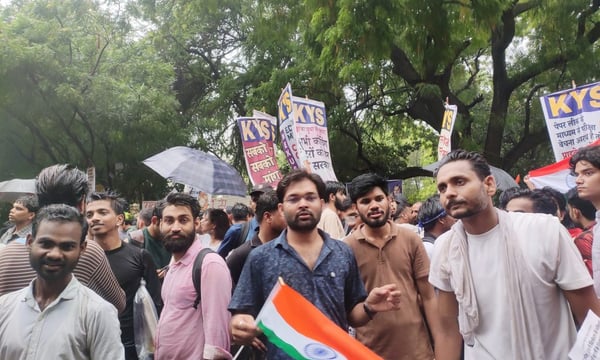
Youth anger has been spreading across South Asia, with protests igniting in Sri Lanka, Bangladesh, and Nepal before reaching India. The protests in India were sparked by exam paper leaks and the formation of the Cockroach Janta Party, following harsh criticisms by the Chief Justice of India about unemployed youth. Some attribute the protests to neo-liberal policies that widened the gap between elite privileges and shrinking opportunities for young people, leading to growing inequality.
Others dismiss these as conspiracies by foreign forces. However, the protests' intensity and rapid spread, regardless of caste or class, caught everyone off guard. This movement surpassed previous protests, including the 1974-75 and 2011-12 movements, in both geographical reach and grassroots support. The government's attempts to label the protestors as anti-national failed, and they gained more support instead.
Protests eventually forced the resignation of Education Minister Dharmendra Pradhan, as demanded from the start. This event signals significant changes in India's political landscape, revealing flaws in the education system and diminishing support for Prime Minister Narendra Modi among the youth. The government's admission that protests are a legitimate part of democracy is a reluctant acknowledgment of their power.
The protest's spread was facilitated by the power of social media, particularly Instagram, showcasing the importance of youthful engagement in shaping political discourse. As India's demographic dividend becomes a potential liability due to youth unemployment and mismanagement, the protests serve as a wake-up call for the ruling party to address these pressing issues.
Written by urgent.news from The Diplomat's reporting — not their text. Machine-written — may contain errors; check the original before relying on it.