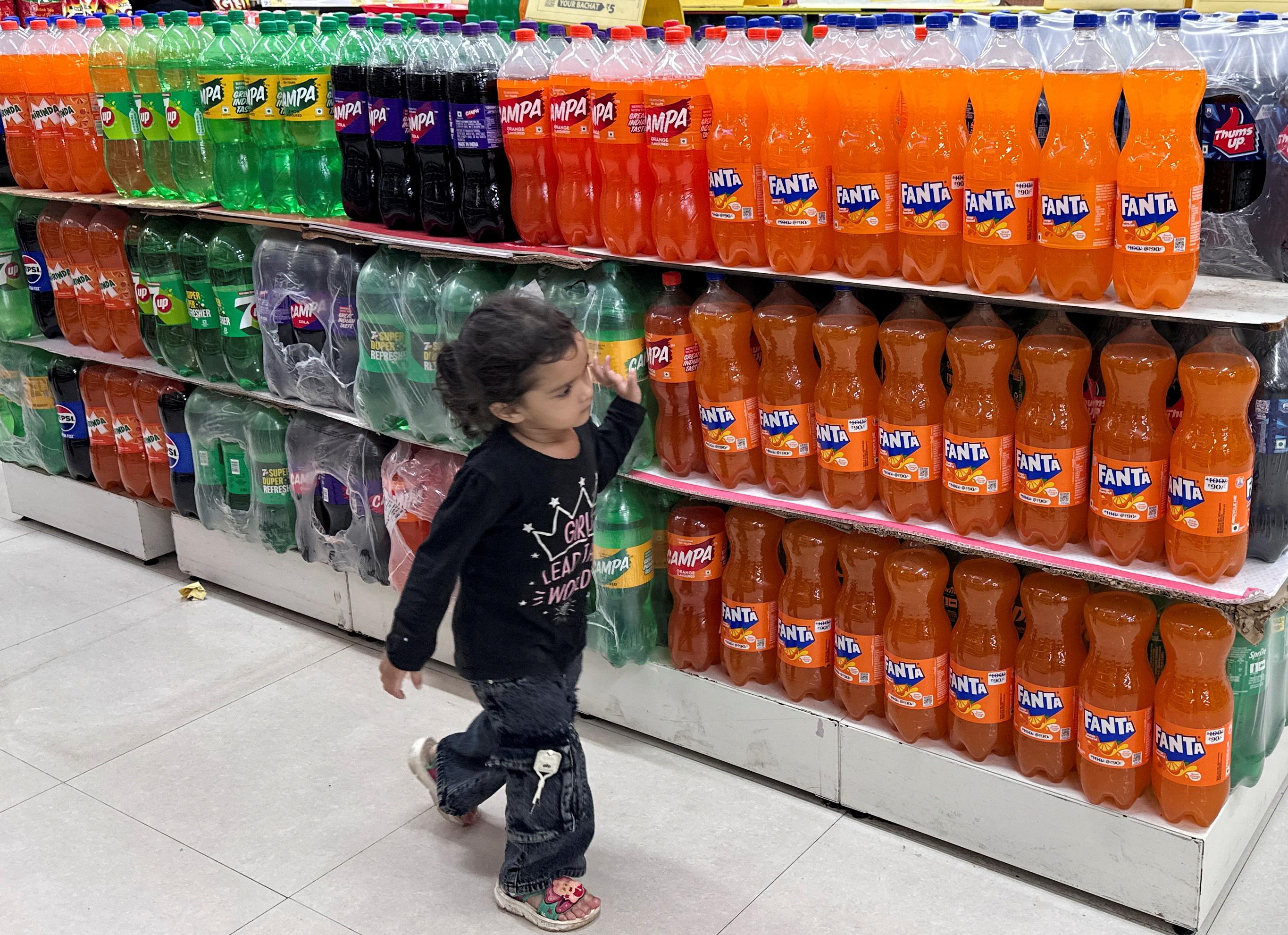
India wanted red flags on chip packets and soda. Big Food fought back.
INDIA-FOOD/ (INSIGHT, PIX):INSIGHT-India wanted red flags on chip packets and soda. Big Food fought back.

India's food-safety regulator abandoned a plan for colorful health warnings on packaged food in August, citing difficulty in matching international standards. The decision to forgo such warnings has faced criticism from public health activists who argue that transparency in labeling could help address the growing obesity issue in the country.
By 2050, it is estimated that nearly 80% of products in India's $100 billion packaged food and beverages market could be considered high in fat, sugar, and salt. Despite the industry pushing back on the warning labels, some companies like Coca-Cola have voluntarily adopted traffic-light-style labels in a few European markets. Nestle, a member of Indian lobbies against the regulator's former proposals, has also voluntarily used interpretive labels in Britain since 2013.
Written by urgent.news from Hindustan Times's reporting — not their text. Machine-written — may contain errors; check the original before relying on it.
This story
This is one outlet's version. Read the fullest account.
- India wanted red flags on chip packets and soda. Big Food fought back brecorder.com
- India Wanted Red Flags On Sugary Drinks, Chips. Food Giants Pushed Back ndtv.com
- India wanted warning labels on chip packets, soda but big food fought back business-standard.com
- India wanted red flags on chip packets and soda. Big Food fought back. thehindu.com
- India wanted red flags on chip packets and soda. Big Food fought back hindustantimes.com