IMF’s Georgieva says global economy weathering energy shock, sees fiscal concerns
There is a “tug of war” between the negative Gulf energy supply shock and growth tailwinds from AI investment.
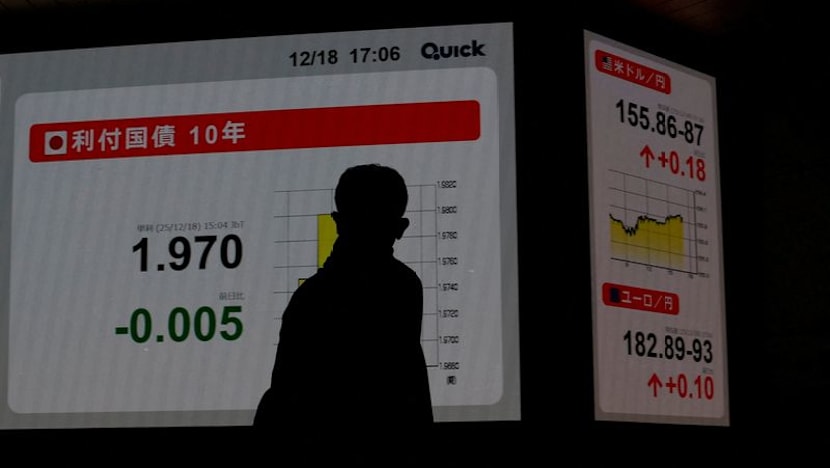
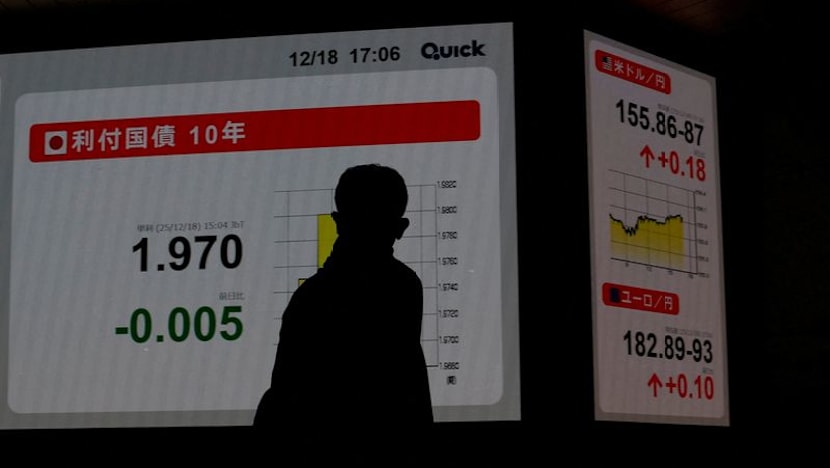
On August 25, International Monetary Fund managing director Kristalina Georgieva stated that the global economy has managed the Iran war energy shock better than initially anticipated. However, she expressed concerns over emerging fiscal issues in certain nations, highlighted by soaring bond yields and a slowdown in disinflation efforts.
During a briefing ahead of the upcoming Group of 20 finance leaders meeting in Asheville, North Carolina, Georgieva emphasized the ongoing "tug of war" between the adverse effects of the Gulf energy supply shock and the growth momentum from the artificial intelligence investment surge, which is expanding beyond the United States.
She noted that the risk landscape for the global economy was more evenly distributed than in April but still leaned towards the negative side, primarily due to mounting fiscal pressures and the possibility of central banks continuing restrictive monetary policies to curb inflation.
The global economic growth is currently grappling with significant headwinds stemming from high debt levels, persistent inflation, and trade tensions. Despite these challenges, the economy has managed the energy shock resulting from the closure of the Strait of Hormuz better than expected. This resilience can be attributed to several factors, including the reduction of oil and gas reserves by numerous countries, the augmentation of non-Gulf energy supplies, reduced energy demand, increased renewable energy capacity, and the resurgence of coal power generation in some regions.
Georgieva highlighted that artificial intelligence investment in the United States is bolstering corporate earnings and consumer spending. Additionally, other countries are accelerating data-center construction and the supply of AI hardware, contributing to the overall economic landscape.
Written by urgent.news from Straits Times Business's reporting — not their text. Machine-written — may contain errors; check the original before relying on it.
This story
This is one outlet's version. Read the fullest account.
- IMF's Georgieva says global economy weathering energy shock, sees fiscal concerns brecorder.com
- IMF's Georgieva says global economy weathering energy shock, sees fiscal concern... thejakartapost.com
- IMF’s Georgieva says global economy weathering energy shock, sees fiscal concerns investing.com
- IMF's Georgieva says global economy weathering energy shock, sees fiscal concerns finance.yahoo.com