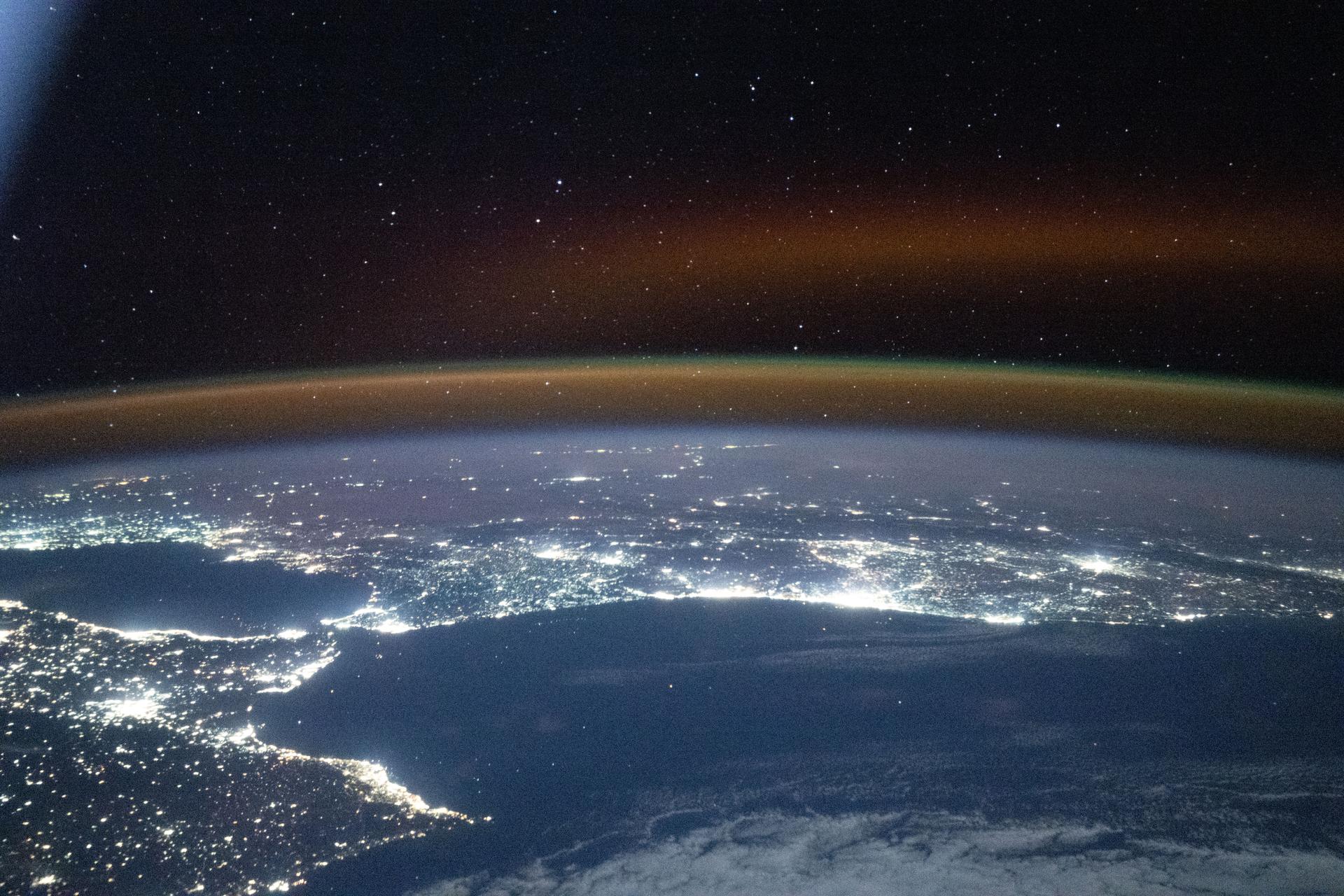
Humidity prevents sighting of Suhail Star but end of summer approaches
The end of the summer in the UAE is on its way, despite high humidity preventing a sighting of the Suhail Star on Monday morning. The rising of the star in the southern sky is a celestial event tracked by astronomers across the Middle East. Symbolically, it marks the end of the extreme heat of peak summer and heralds the approach of cooler conditions. According to Arab folklore, the night “cools…
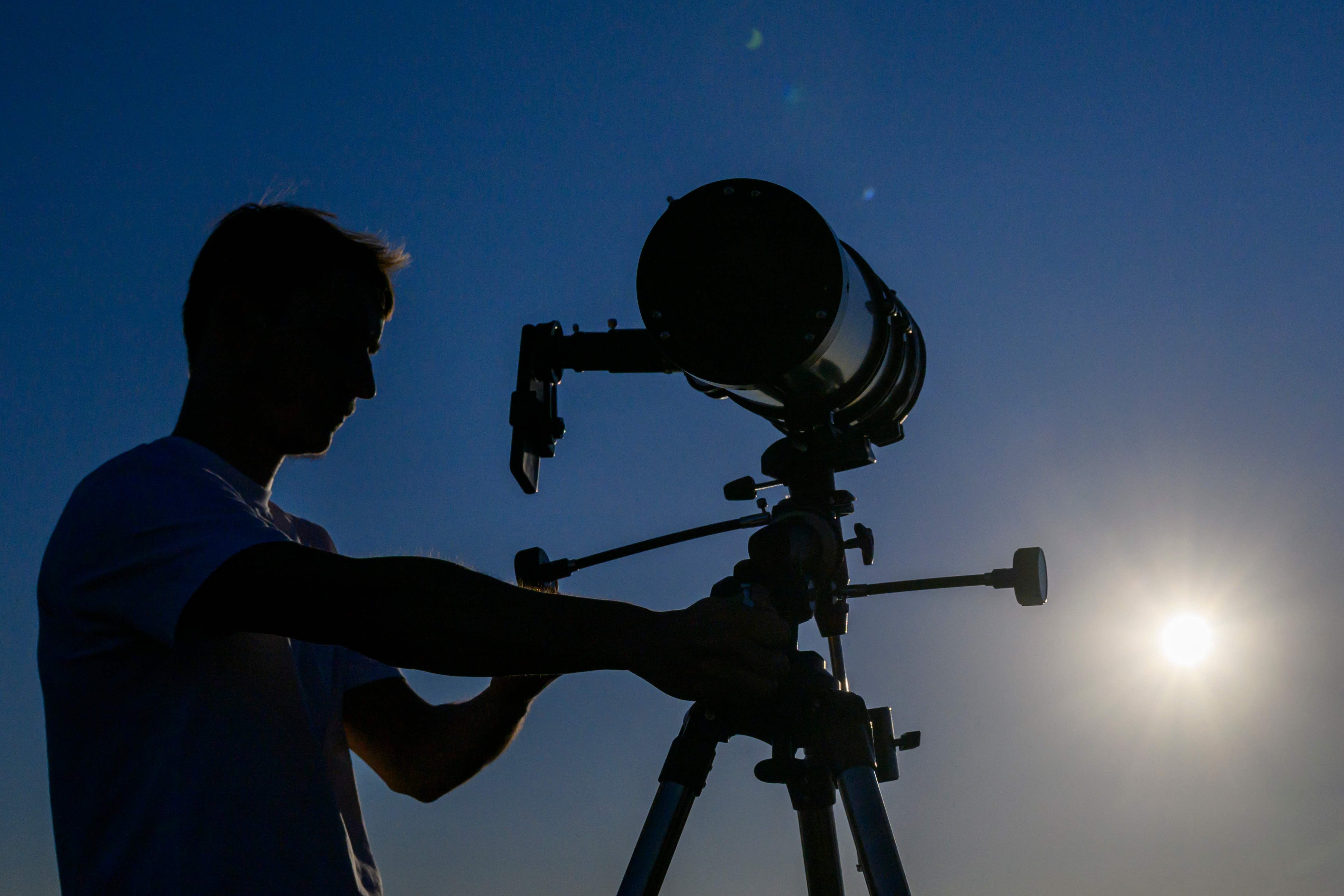
As summer's end approaches in the UAE, high humidity has unfortunately obscured the sighting of the Suhail Star on Monday morning. This celestial event, tracked by astronomers across the Middle East, signifies the transition from peak summer heat to cooler conditions. Arab folklore holds that Suhail's rise heralds a cooling night.
Despite daytime warmth persisting for several weeks, evenings will gradually grow cooler and morning fog more prevalent. Historically, average temperatures in September ranged from 29°C to 39°C, with a humidity level of approximately 54 per cent between 1991 and 2020. As temperatures begin to drop in October, a typical minimum of 25.5°C and maximum of 35.8°C is expected, signaling the onset of winter in November.
The Suhail star, also known as Canopus, is the second-brightest star in the night sky and holds significant cultural importance in the Gulf region. Symbolizing a time of renewal and relief from extreme heat, its sighting was crucial in predicting seasonal changes before modern meteorological systems existed.
Written by urgent.news from The National Business's reporting — not their text. Machine-written — may contain errors; check the original before relying on it.
This story
This is one outlet's version. Read the fullest account.