Gdynia is testing a circular waste model for Central and Eastern Europe
The Polish city’s experiment shows what a single location can manage on its own. Can a pilot in one Polish city offer a model for closing the loop on waste across Central and Eastern Europe? In Gdynia, that question is being tested in practice, at a time when the European Commission is preparing to finalise […] Gdynia is testing a circular waste model for Central and Eastern Europe was originally…
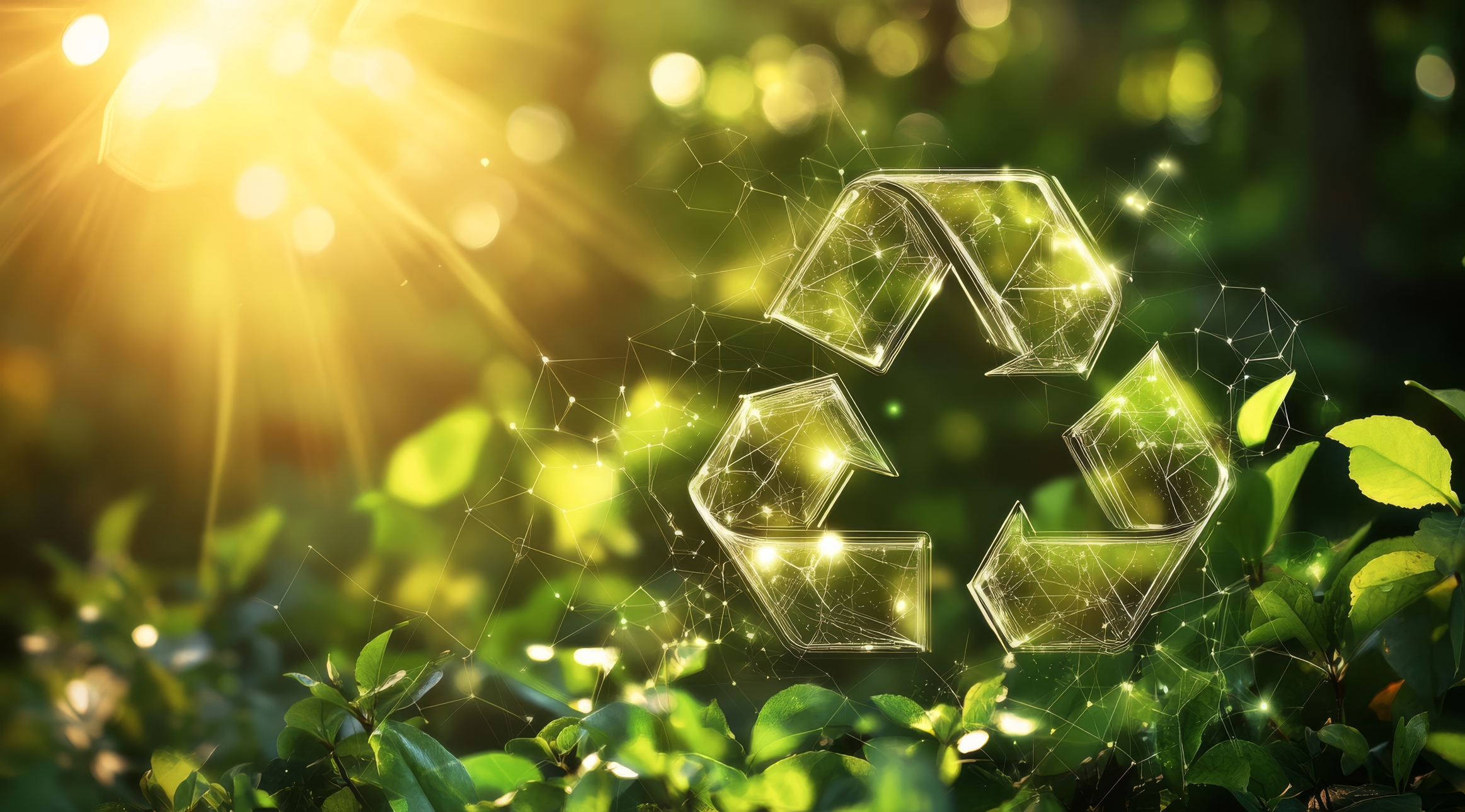
Polish city Gdynia is experimenting with a circular waste model that could serve as a template for Central and Eastern Europe. As the European Commission nears completion of its Circular Economy Act, Gdynia, part of the Creative Circular Cities (CCC) project, has been tackling bulky waste—a waste stream often overlooked in EU statistics.
Eurostat groups bulky waste, textiles, batteries, and electronics together, accounting for roughly 14.5% of EU municipal waste, but without a detailed breakdown. PPNT Gdynia and the Pomorskie in the European Union Association have been mapping bulky waste generators and potential reusers in the city. They developed 'Podaj dalej – Share it', a prototype circular bulky-waste service modeled after Aarhus’s UPCYCL scheme.
Gdynia's Transition Lab gathered partners to explore whether this approach can be replicated elsewhere. The project's key takeaway is that local experiments can become scalable models when documented and shared. However, the financial sustainability of such circular systems—particularly when linear waste solutions remain cheaper—and the availability of skills to implement them, remain challenges as EU project funding winds down.
Written by urgent.news from Emerging Europe's reporting — not their text. Machine-written — may contain errors; check the original before relying on it.