Fight, flight or freeze: Would you step in when danger strikes?
A Singaporean’s decision to subdue a knife-wielding man has put citizen bravery in the spotlight. CNA looks at what drives our responses to danger and when intervening could do more harm than good.
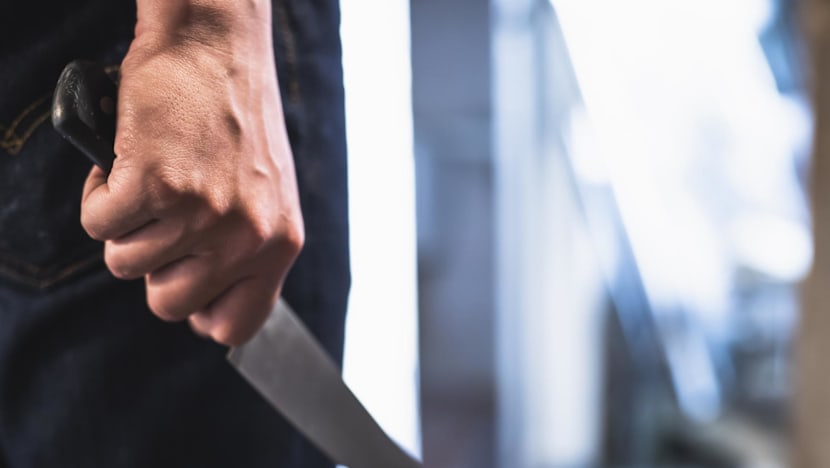
Singaporean Osman Sidin used his background in silat, a traditional Southeast Asian martial art, to subdue a knife-wielding man on Aug 10 outside Clementi Mall. When faced with someone wielding a knife, people may choose to intervene, flee, or call for help. Psychologists explain that in such situations, the body can enter an automatic survival state, prompting reactions of fight, flight, or freeze.
Clinical psychologist Dr Annabelle Chow noted that in a state of panic, our brain processes numerous decision points, and fear significantly impacts our body. Factors like the danger level, weapon presence, and individual skills affect how someone responds. While Mr Osman's intervention may have stopped the immediate threat, approaching an armed individual carries risks for both the person intervening and others present.
Authorities suggest the "run, hide and tell" approach, prioritizing safety and informing others. Helping bystanders can involve warning others, calling authorities, aiding the injured, or simply providing reassurance after the immediate threat has passed.
Written by urgent.news from Channel News Asia's reporting — not their text. Machine-written — may contain errors; check the original before relying on it.
Also reported by 1 other outlet
- Fight, flight or freeze: Would you step in when danger strikes? channelnewsasia.com