EV boom: Ghana moves to standardise charging infrastructure to protect power grid
The Minister for Energy and Green Transition, Dr John Abdulai Jinapor, has called for greater standardisation and regulation of electric vehicle (EV) charging infrastructure as Ghana prepares for rising electricity demand from the growing adoption of electric mobility.
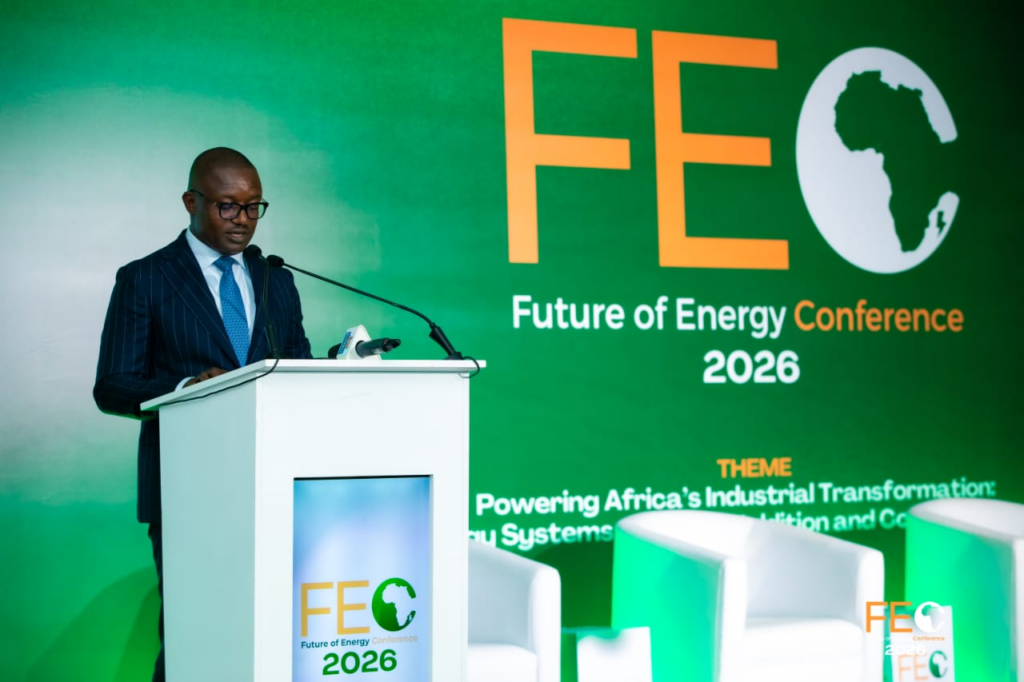
Ghana's Minister for Energy and Green Transition, Dr John Abdulai Jinapor, has advocated for standardized and regulated electric vehicle (EV) charging infrastructure as the country anticipates increased electricity demand from the growing adoption of electric vehicles. Speaking at the 2026 Future of Energy Conference in Accra, Jinapor emphasized that rapid EV expansion, combined with rising electricity needs from industries, mines, data centers, and businesses, necessitates careful planning to avoid burdening the national power grid.
He highlighted that using EVs can save up to 40 percent on fuel costs, which is contributing to their popularity among Ghanaians. While acknowledging the economic and environmental benefits of electric mobility, Jinapor warned that uncoordinated charging infrastructure development could pose challenges for the power distribution system.
He noted that Ghana is leading the African market for EV vehicles, with some private operators introducing advanced fast-charging technologies capable of charging vehicles in just 10 to 15 minutes. However, these high-demand charging facilities could strain the grid and transformers if proper grid planning is not implemented. To address these concerns, the Energy Commission has instructed operators to obtain prior approval before setting up EV charging stations or battery-swap systems.
The Commission is also developing regulations for various types of charging infrastructure and ensuring safety and consumer protection. Ghana's push towards electric mobility is part of a broader strategy to reduce fossil fuel dependence and lower emissions from the transport sector. The government's Drive Electric Initiative, launched in 2019, aims to promote electric mobility while fostering the necessary charging infrastructure.
Jinapor stressed that reliable and competitively priced electricity is crucial for Ghana's industrialization ambitions. He emphasized that energy planning must anticipate future demand rather than react after new loads emerge. The energy sector's growth is projected to be driven by manufacturing, mining, EV adoption, digital infrastructure, data centers, commercial businesses, and modern agriculture.
Written by urgent.news from MyJoyOnline Ghana's reporting — not their text. Machine-written — may contain errors; check the original before relying on it.
This story
This is one outlet's version. Read the fullest account.