Europeans Get to Vote on the Future Face of the Euro
What will the next generation of Euro bills look like? You might have a say.
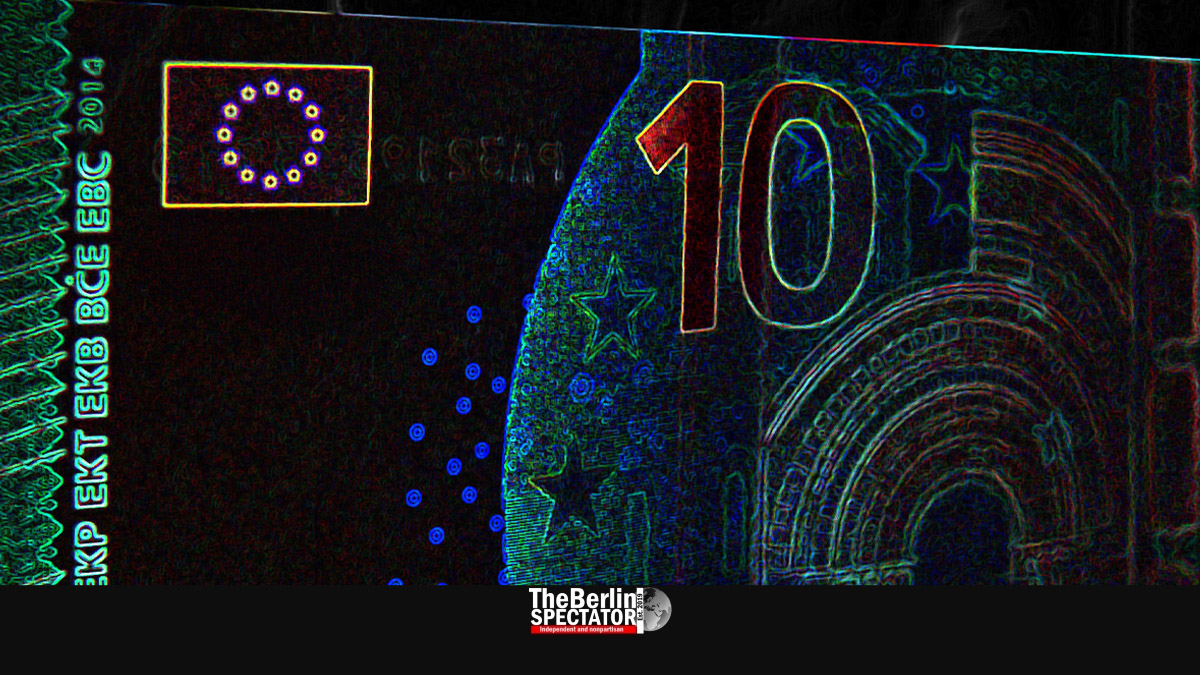
The European Central Bank (ECB) has opened the debate on the design of the next generation of Euro banknotes in a historic move that places citizens at the center of an unprecedented democratic process. For the first time, ordinary people across the Eurozone are invited to contribute to the visual identity of the currency, which currently has banknotes dating back to the Euro's inception in 2002.
The ECB has announced ten shortlisted design proposals, each reflecting two overarching themes: "European culture" and "Rivers and birds." Under "European culture," historical figures are proposed to grace the front of the new notes, including Maria Callas, Ludwig van Beethoven, Marie Curie, Miguel de Cervantes, Leonardo da Vinci, and Bertha von Suttner. The reverse sides would showcase different cultural and leisure scenes or prominent EU institutions.
Meanwhile, the "Rivers and birds" theme pairs European bird species with river landscapes on the front, with the reverse sides depicting various EU institutions. Anyone can view the proposals and participate in the ECB's online survey, which remains open until September 21st, 2026.
The design process began with an EU-wide contest open to graphic designers, receiving over 1,200 applications. An independent jury of 21 specialists narrowed the submissions down to ten finalists, five for each theme. The final choice will be based on a combination of the design jury's conclusions, a technical assessment, and the results of both surveys.
ECB President Christine Lagarde emphasized that the new banknotes are more than mere means of payment; they represent one of the most tangible daily expressions of European identity. The new Euro banknotes will gradually enter circulation in the coming years, alongside the current series, with no immediate changes expected in wallets.
Written by urgent.news from The Berlin Spectator's reporting — not their text. Machine-written — may contain errors; check the original before relying on it.