Doctors owe the public a debt of gratitude
Having enjoyed a heavily-subsidised education funded by taxpayers, doctors in return should serve the public.
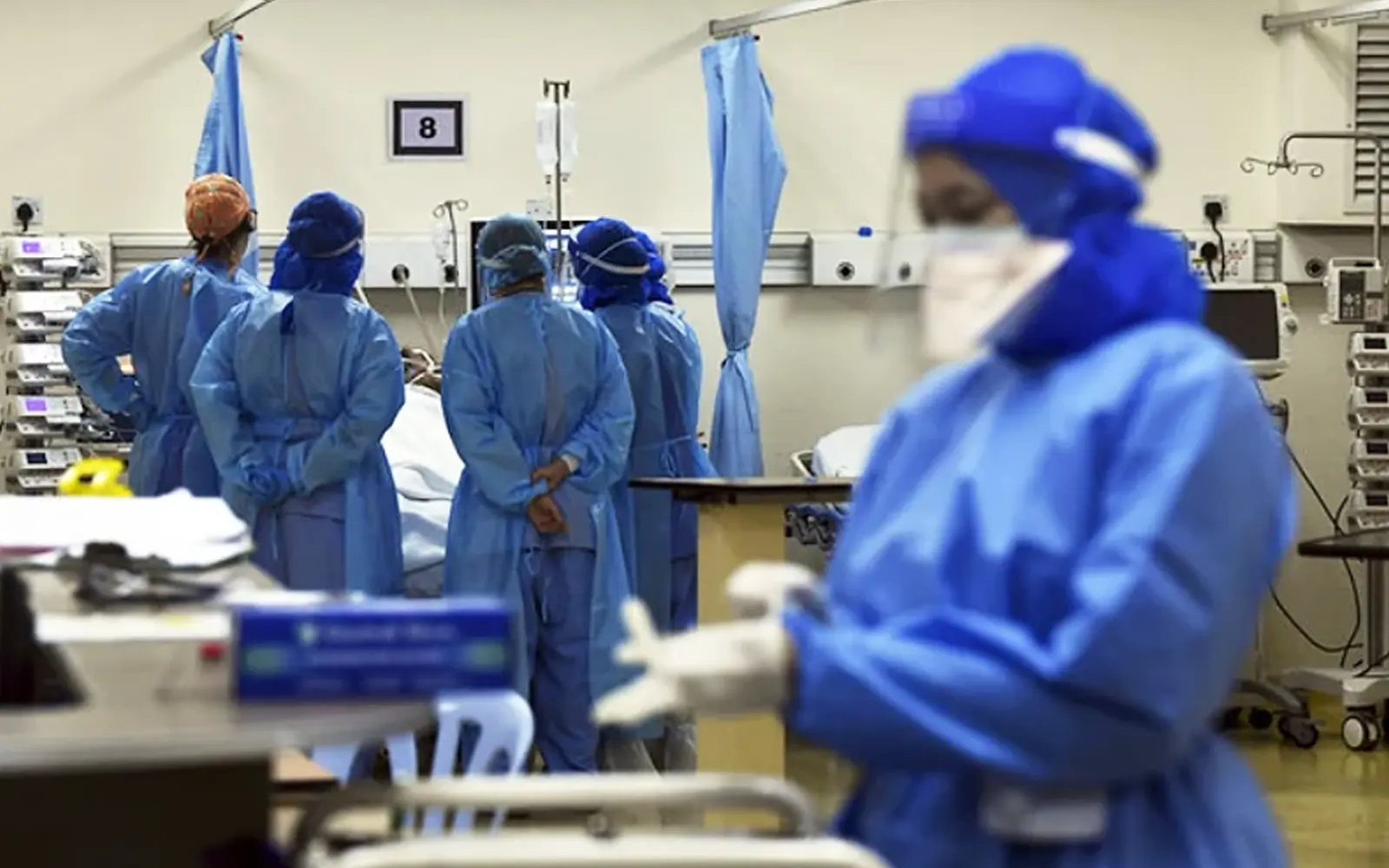
In Malaysia, government doctors are urged to show gratitude towards the nation that has supported their education and training. Despite facing bureaucratic hurdles and financial constraints, the government has taken decisive steps to retain medical professionals within the national health service. These reforms include granting the health ministry full authority to manage and distribute positions, ending the contract system by 2028, and offering permanent appointments to contract doctors.
Furthermore, contract doctors who relocate to fill permanent positions, including those moving to Sabah and Sarawak, are now eligible for relocation and cargo allowances. To ensure the retention of young medical talent, it is crucial that doctors have a predictable path to permanent employment. However, granting doctors autonomy over their hospital placements could further improve retention rates, addressing individual personal needs while serving as a strong incentive for continued public service.
Medical professionals must also exercise patience and patriotism while serving the nation. The government has heavily invested in public-sector medical professionals, and they deserve their dedication. It is essential not to let the vocal grievances of a minority dishearten the broader workforce or push them away from public service. Doctors should remember that they are not the only critical professionals in Malaysia, as lawyers, engineers, teachers, and nurses are equally vital to the country's prosperity.
The perception of unfair compensation among certain government doctors often stems from shifting demand-supply dynamics. While it may seem that a high salary is the only driving factor, it is important to note that doctors in Malaysia are among the highest-paid professionals in the government service. Beyond a competitive base salary, public sector employees enjoy robust benefits such as financial supplements, fully sponsored postgraduate specialisation, regular promotions, performance bonuses, and secure government pensions.
Public duty over financial gain should be prioritised, as government hospitals represent the only accessible source of affordable healthcare for many Malaysians, particularly low-income families. Doctors who feel underpaid for their demanding hours should have considered these realities before entering the profession. Prestige does not always equate to wealth or an easy life, as no profession offers an effortless path if one genuinely intends to serve the community.
Many government doctors eventually transition into administrative roles, commanding high salaries compared to their private hospital counterparts. Some government doctors also find legal avenues to supplement their income, such as taking leave to work at private clinics or lecturing at universities. Given these unique privileges, a sense of duty and patriotism should inspire doctors to serve the public with minimal complaint.
While doctors have the freedom to choose their career path, including migrating to corporate spaces, the country respects individual choices. If doctors are unhappy, they can resign as long as they have fulfilled their compulsory service bonds. The government respects individual career decisions but expects departing doctors not to tarnish the reputation of the health service.
In Malaysia, the medical landscape is evolving with the government expanding medical training opportunities and recruitment. This effort may soon address the doctor shortage, potentially resolving the issue once the market reaches saturation. Once the workforce optimisation is achieved, inflating doctors' salaries beyond that of other civil servants will no longer be justified.
Developed nations have already reached this point, treating medicine as a standard and respected profession rather than an exceptional financial exception.
Written by urgent.news from Free Malaysia Today's reporting — not their text. Machine-written — may contain errors; check the original before relying on it.
Also reported by 1 other outlet
- Doctors owe the public a debt of gratitude freemalaysiatoday.com