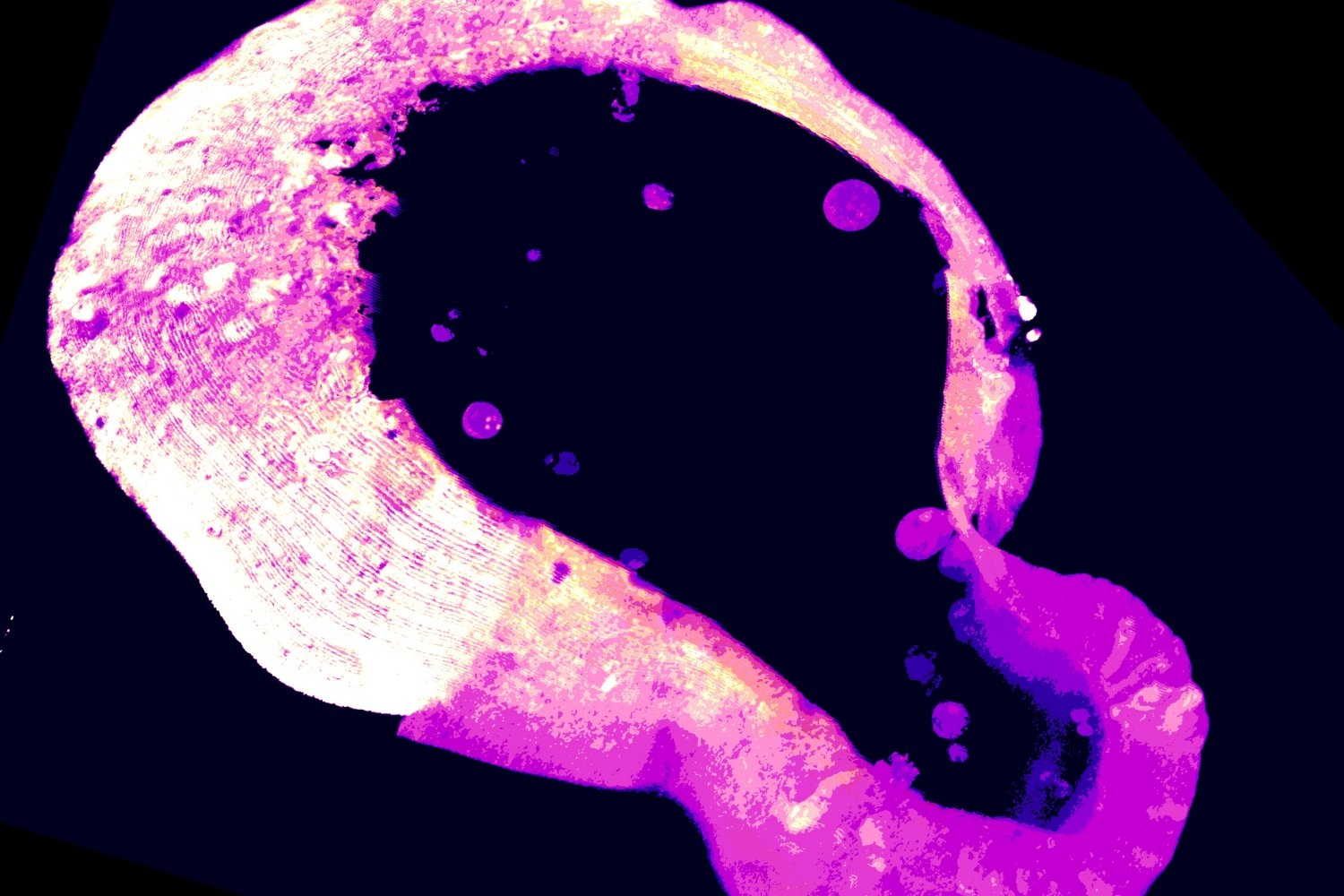
Developing a genetic toolkit for manipulating abundant intestinal microbes
Weill Cornell Medicine investigators have developed a set of molecular tools to regulate the activity of specific genes in one of the most common classes of intestinal bacteria. The ability to genetically manipulate these microbes could lead to a better understanding of the role they play in human physiology and disease.

Weill Cornell Medicine researchers have crafted molecular tools to regulate specific genes within Clostridia, a dominant type of gut bacteria. These bacteria, which constitute roughly half of the microbes in a healthy individual's gut, produce metabolites that may benefit human health and immune regulation. However, some strains of Clostridia are linked to diseases, ranging from inflammatory bowel conditions to diabetes and cancer.
The precise role these bacteria play in disease progression remains unclear. In a study published in Nature Biotechnology, researchers from Weill Cornell Medicine developed a system to genetically manipulate Clostridia, allowing them to study these bacteria and their potential impact on human health.
Written by urgent.news from Phys.org's reporting — not their text. Machine-written — may contain errors; check the original before relying on it.