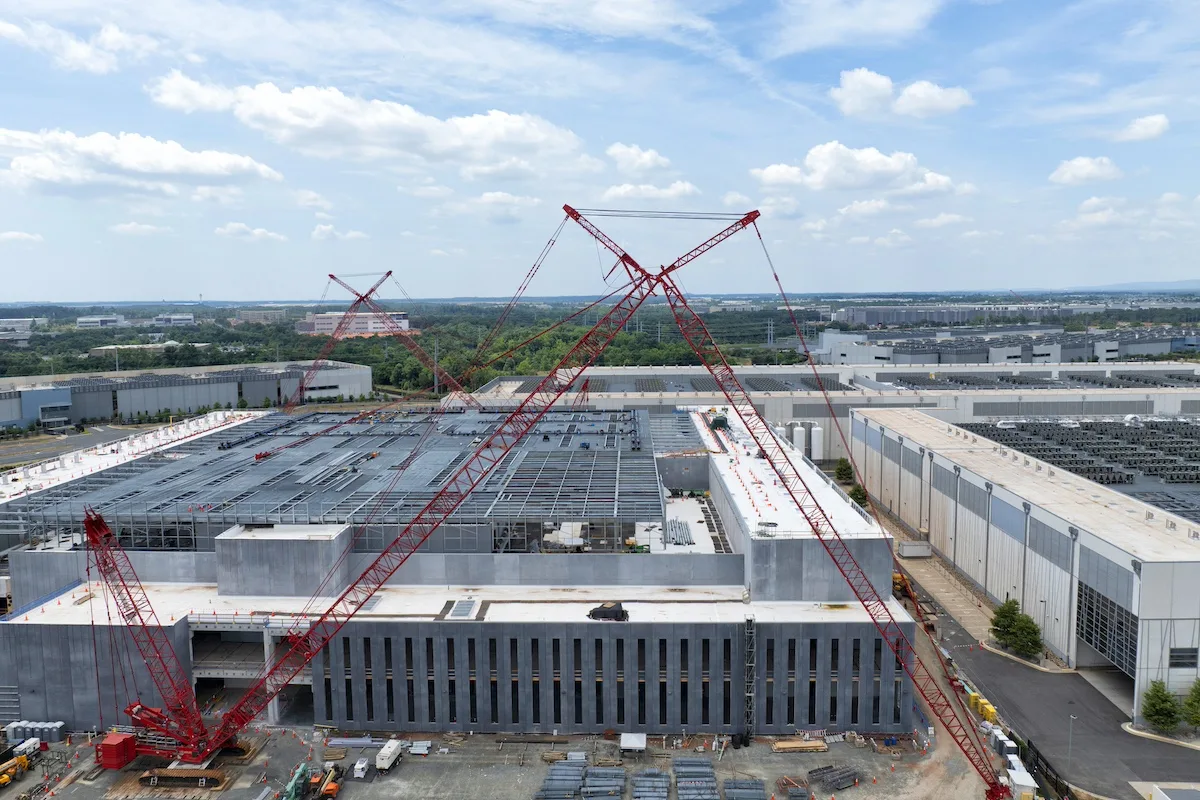
Data Centers Are Driving an Alarming Gas Power Expansion in the US
There’s no clearer sign of the data center boom than rampant gas projects that have been proposed or that are already under construction.
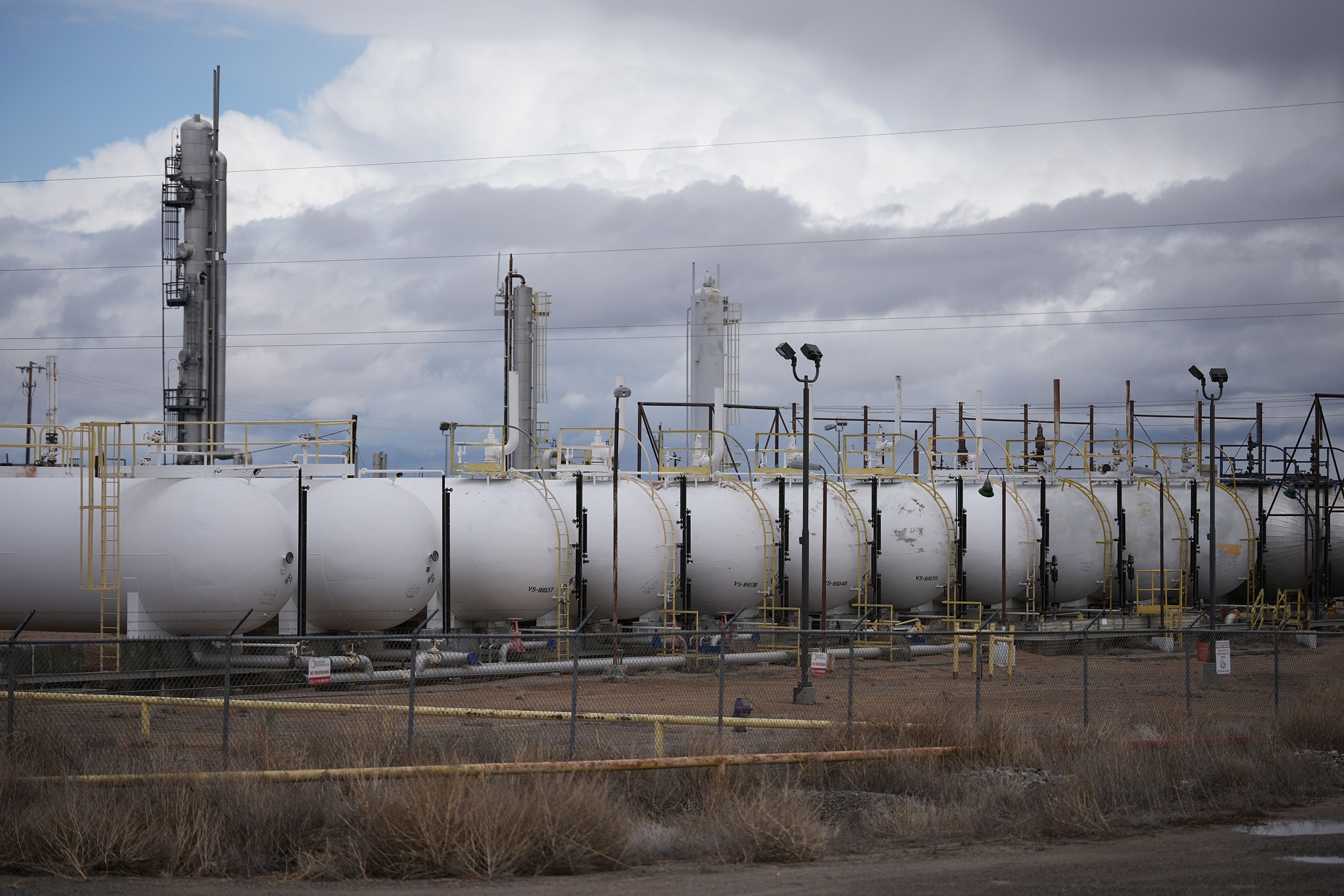
A research firm has found that the United States is building an alarming number of gas-powered facilities for data centers, driving a surge in fossil fuel usage. As of mid-2026, there are over 189 gigawatts of gas projects in the pipeline, a significant increase from just 4 gigawatts in early 2024. This trend has emerged as data center builders increasingly rely on private power facilities, known as behind-the-meter plants, to circumvent lengthy grid connection times and potentially avoid higher electricity bills for consumers.
The Trump administration has encouraged data centers to generate their own power, with several tech companies and Republican governors signing a voluntary pledge supporting this initiative. However, this move comes with a considerable environmental cost, as many of these facilities utilize inefficient turbines that contribute to increased greenhouse gas emissions. Some of these gas plants emit more greenhouse gases annually than several small- and medium-sized countries.
Global Energy Monitor, a research organization, also tracks energy projects worldwide, including in China, the world's largest importer of natural gas. While China has a modest fleet of natural gas plants, it has seen a surge in gas-fired facilities under development in recent years. In contrast, the US has surpassed China in the number of gas projects in the pipeline due to the data center boom.
The shift towards gas-powered data centers in the US illustrates how China is relying more on renewable energy sources for its data center buildout, particularly solar and hydropower. Many Chinese data centers are being constructed in rural areas with an excess of renewable energy production. Kyle Chan, a fellow at the Brookings Institution, notes that while some attempts to develop private power for data centers in China have been made, they are smaller projects.
He adds that the Chinese government's deliberate choice to ensure energy independence through renewable energy development contrasts with the US approach of building gas power plants in the short term for faster data center deployment. However, this decision may have long-term consequences, including increased emissions and a lack of investment in clean energy sectors.
Written by urgent.news from Wired's reporting — not their text. Machine-written — may contain errors; check the original before relying on it.