Births fall below 30,000 for first time in Asian financial hub despite $183M in baby bonuses
Hong Kong, the top financial hub in Asia-Pacific, recorded fewer than 30,000 births in a year for the first time on record, with migration alone keeping its population growing.
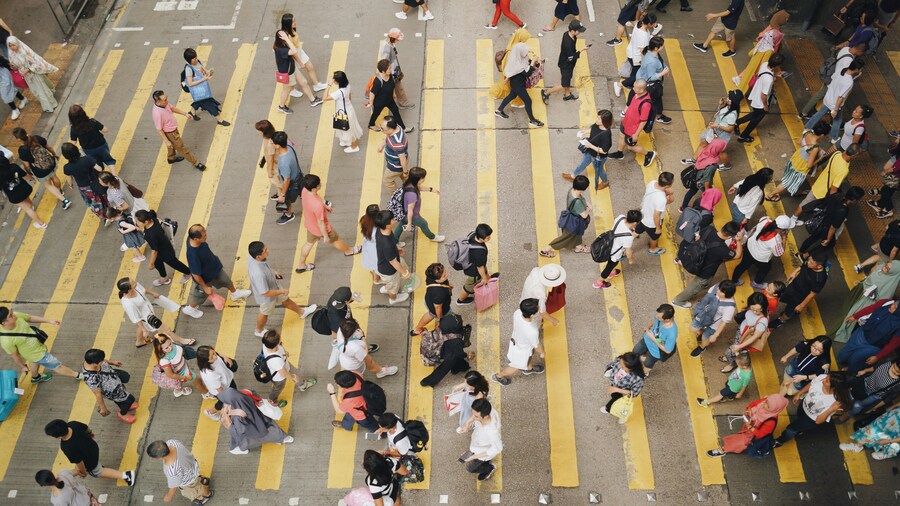
In the first instance since 1961, Hong Kong's birth rate plunged below 30,000 for births spanning July 2025 to June 2026, according to the Census and Statistics Department's provisional figures. The total of 29,709 births represented a steep 15.6% decline from the 35,200 recorded the previous year, a data series that began tracking in 1961.
Meanwhile, deaths increased to 50,100 over the same span, leading to a natural population decrease of 20,400. Despite the population contraction, Hong Kong's population grew by 19,400 people or 0.3%, reaching a provisional 7,518,300 individuals. Net migration contributed to the increase, with 39,800 residents moving in between mid-2025 and mid-2026, more than double the 18,200 recorded in the prior year.
Hong Kong's usual residents were counted at 7,252,800, while mobile residents totaled 265,500. Government officials attributed the population growth to talent attraction measures and labor imports, which managed to offset the natural decline in births. However, the South China Morning Post reported that this explanation did not address the decline in births.
Hong Kong's mid-year population hit 7,527,500 in mid-2025 but was later revised down to 7,498,900, the first time it fell below 7.5 million since 2023. The Newborn Baby Bonus, running until October 24, offered a one-time HK$20,000 (US$2,550) incentive for each baby born in Hong Kong since October 25, 2023, provided at least one parent held permanent residency.
The government projected in a January 2024 submission to the Legislative Council's Finance Committee that the scheme would lead to a 20% increase in annual births, from around 32,500 in 2022 to roughly 39,000 in 2024-25. However, the actual figures showed 36,700 births in 2024 and a record low of 31,100 births in 2025, a full year.
In June, Chief Secretary Chris Sun informed lawmakers that the government had disbursed HK$1.44 billion ($183 million) to 71,886 recipients as of May 31, based on 72,267 eligible applications. Sun stated that a review of the scheme was ongoing, involving data analysis and consideration of related matters, but did not clarify whether the payment would continue after October.
Historically, Hong Kong recorded 59,863 births a decade ago, more than double the current figure. The city's total fertility rate stood at 0.841 in 2024, well below the replacement rate of 2.1 births per woman necessary for population sustainability without migration. Chief Executive John Lee acknowledged that government policy alone could not significantly boost fertility but emphasized the need for a firm direction due to the persistently low birth rate.
Besides the financial incentives, the government expanded tax allowances for parents, prioritized families with newborns in public housing queues, and increased annual in-vitro fertilization quotas in public hospitals. The Census and Statistics Department's population projections for 2022 to 2046 forecast a 32% share of residents aged 65 and over by 2039, rising to 36% by 2046, up from 20% in 2021.
The median age was projected to rise from 47.3 to 55.5 over the same period, while the proportion of the population under 15 would drop from 11.4% to 7.1%. These projections assume the number of foreign domestic helpers will surge from 320,000 in 2021 to 560,900 in 2046, and net inflows of 1.52 million people over 25 years, enough to offset a natural population decrease of 750,000.
Written by urgent.news from VnExpress International's reporting — not their text. Machine-written — may contain errors; check the original before relying on it.