Anatomy of a viral wellness trend: Why the ‘cortisol cocktail’ fundamentally misunderstands human stress
Social media influencers are touting a mixture of juice, coconut water, and salt as a cure for chronic stress. However, endocrinological evidence suggests this beverage offers little physiological benefit and may actually pose metabolic risks.
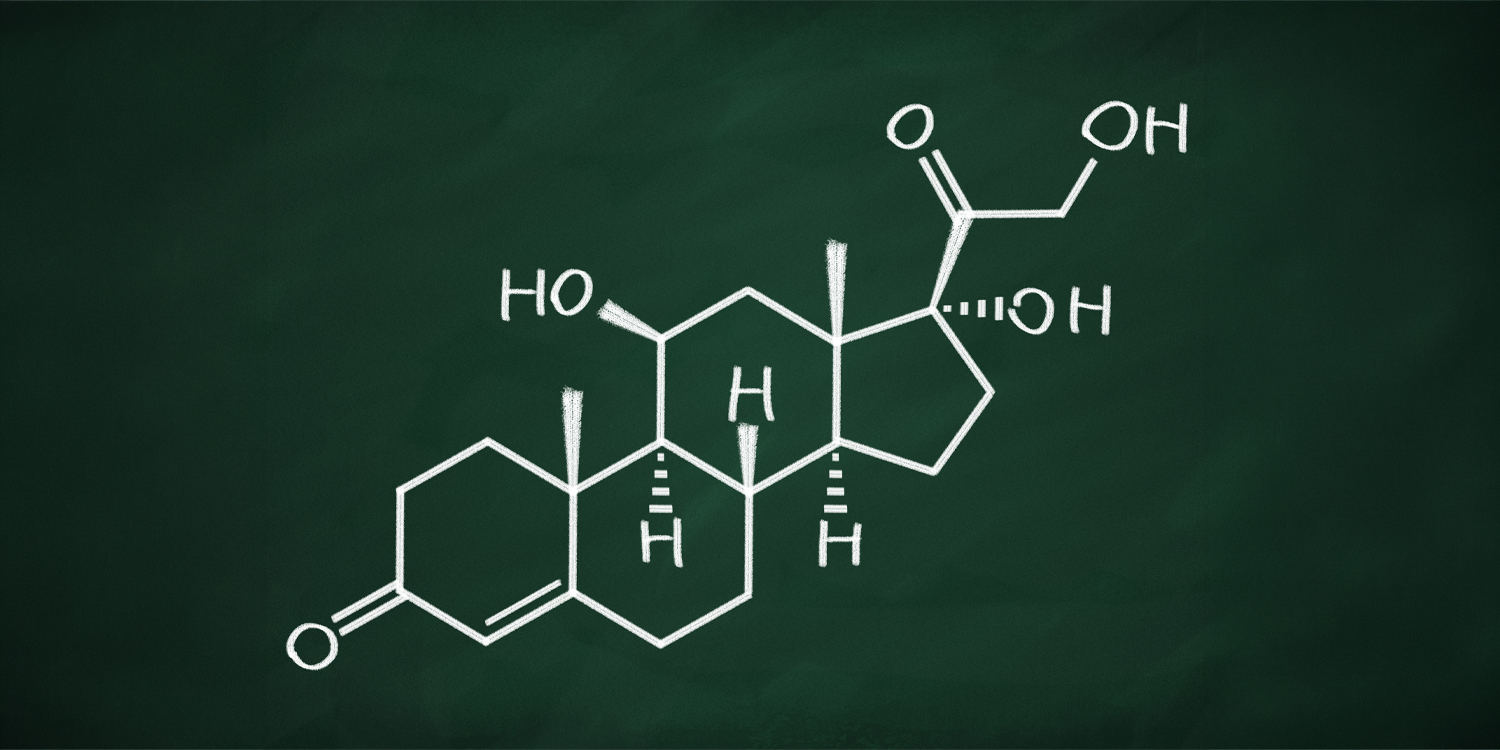
You may have come across the "cortisol cocktail," a recent wellness trend that claims to lower high cortisol levels and alleviate symptoms associated with "adrenal fatigue," all through a drink made of orange juice, coconut water, and salt. However, is this drink truly effective, and do we truly need to reduce cortisol levels? Let's examine the evidence.
To begin with, cortisol is a hormone produced by the adrenal glands, which also produce other hormones, including adrenaline, sex hormones, and aldosterone. Cortisol is regulated by the brain in response to stress, both physical and psychological. Though often referred to as the "stress hormone," cortisol has other vital functions, such as increasing blood glucose for energy, regulating metabolism, and reducing inflammation.
Our cortisol levels fluctuate throughout the day, being highest in the morning and lowest at night. This pattern aligns with our daily needs: high cortisol in the morning to wake us up and provide energy, and lower cortisol levels at night to facilitate sleep. The concept of "high" or "low" cortisol is complex, as symptoms often attributed to high cortisol, like weight gain and fatigue, can actually be linked to low cortisol.
Chronic stress can lead to elevated cortisol, while ongoing stress may result in low cortisol production. Adrenal fatigue, a condition not recognized by the medical community, refers to reduced cortisol production by the adrenal glands.
The ingredients in a cortisol cocktail—orange juice, coconut water, and salt—are thought to provide various health benefits, such as vitamin C from the orange juice, potassium from the coconut water, and magnesium from added powders. Vitamin C supports adrenal gland function and cortisol balance, while potassium is crucial for cell function and maintaining a regular heartbeat. Magnesium is essential for energy production and mitigates the effects of chronic stress.
However, the assertion that the cortisol cocktail can lower cortisol levels or address adrenal fatigue is unfounded. High salt intake, contained within the cocktail, increases cortisol levels in both mice and humans, while high sugar content, present due to the orange juice and coconut water, is not beneficial, particularly for individuals with diabetes. Moreover, excessive salt consumption is linked to numerous chronic diseases and should be avoided by those with high blood pressure.
To maintain healthy cortisol levels, reducing stress is the most effective approach. Mindfulness, meditation, and relaxation techniques have been shown to lower high cortisol levels effectively. Incorporating stress-reducing activities, such as exercise, cognitive or creative pursuits, socializing, or self-soothing practices like breathing exercises or meditation, can significantly improve overall well-being.
Rather than relying on the cortisol cocktail, consuming an orange and nuts or seeds can provide the necessary nutritional benefits without the added sugar and salt.
Written by urgent.news from PsyPost's reporting — not their text. Machine-written — may contain errors; check the original before relying on it.