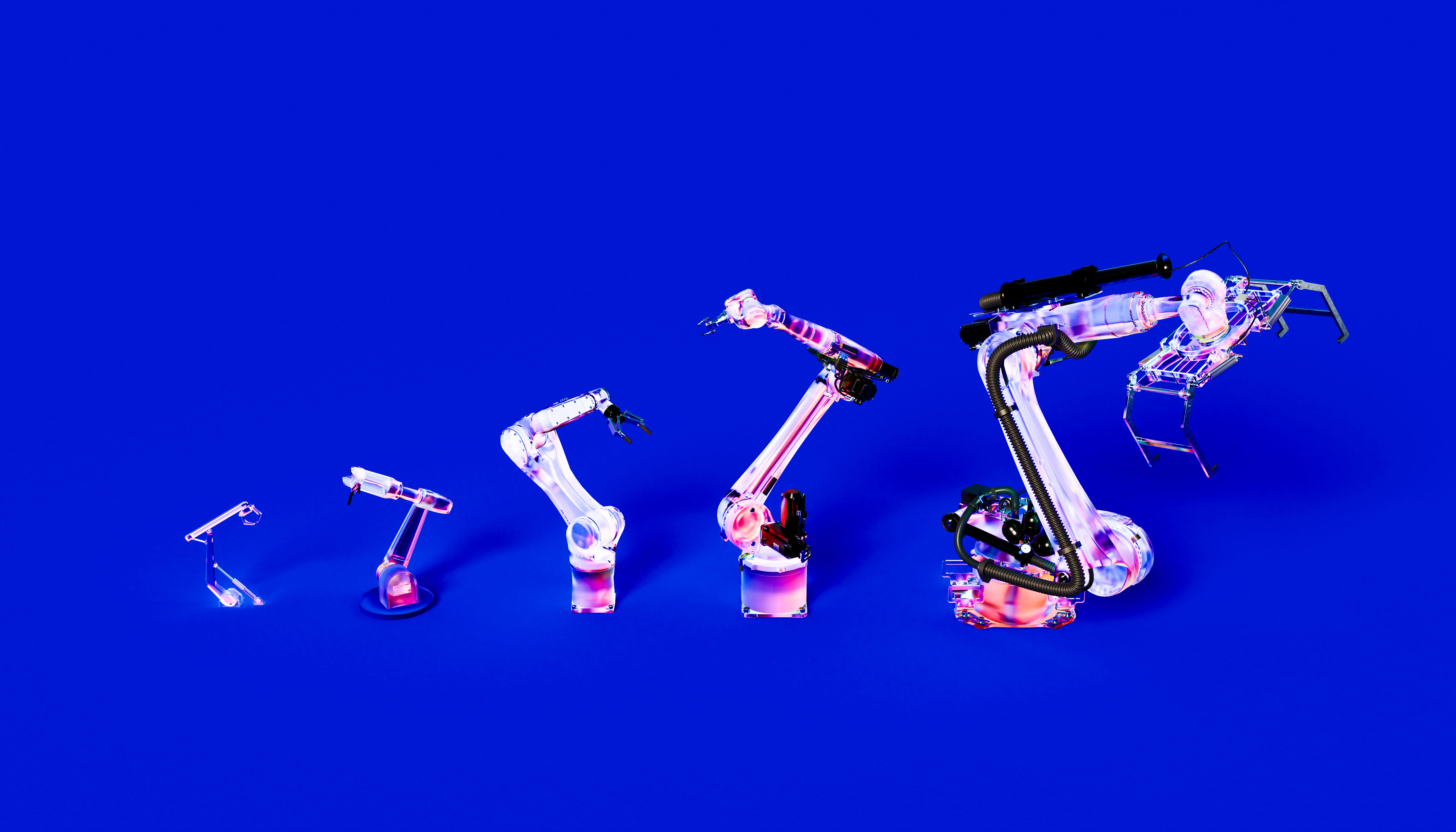
AI Companion Robots Are Closing the Human Connection in Modern Homes
This article is brought to you by Ollobot . From about 2017, individuals began to truly connect with the initial wave of companion robots. These devices had personality, moved around, joked, and answered when you spoke to them. Most early companion robots, however, were still limited by simple voice-command interactions and narrow functionality. Once the novelty wore off, many ended up sitting…
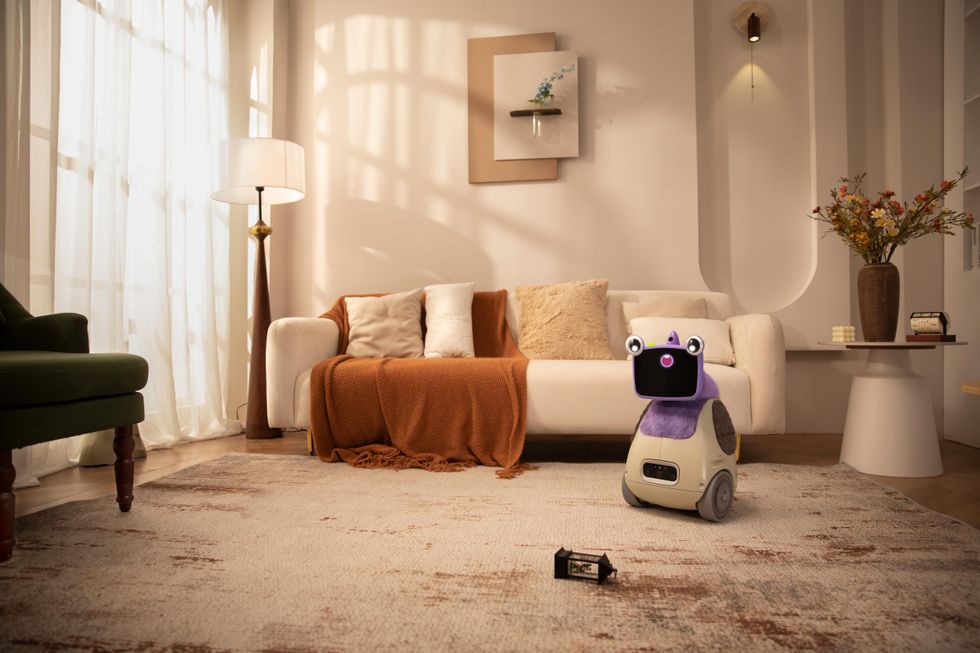
The article discusses the rise of companion robots designed to alleviate loneliness and social isolation in modern homes. These devices, which emerged around 2017, were initially limited in functionality but are now evolving to become more proactive, emotionally aware, and integrated into everyday life. The loneliness issue is not confined to any particular demographic; elderly adults living alone, children of working parents, and single professionals are all vulnerable to social isolation.
Traditional solutions, such as video calls and messaging apps, have not been effective in creating genuine human connection. The new generation of AI companion robots, like Ollobot's OlloNi SS1, aim to fill this gap by incorporating psychological research and long-term interaction models. These robots are proactive, monitoring their environment for signs of emotional distress or needs, and can adapt to daily routines and preferences.
They are designed with a focus on emotional well-being rather than just functionality, and incorporate advanced features like facial recognition, motion tracking, and privacy protection. The market for AI companion robots is expected to grow significantly in the coming years, reflecting the increasing demand for emotional support in the home.
Written by urgent.news from IEEE Spectrum's reporting — not their text. Machine-written — may contain errors; check the original before relying on it.