Africa knows who its true friends are – and they’re not in Washington
The gaffe at last month’s Aids 2026 conference in Rio de Janeiro, where a US State Department presentation displayed a map of Africa with every country mislabelled, serves as more than a source of embarrassment. It was a potent symbol of the distance between Washington’s rhetoric and its real stance regarding the African continent. Earlier this year, Nick Checker, a senior US State Department…
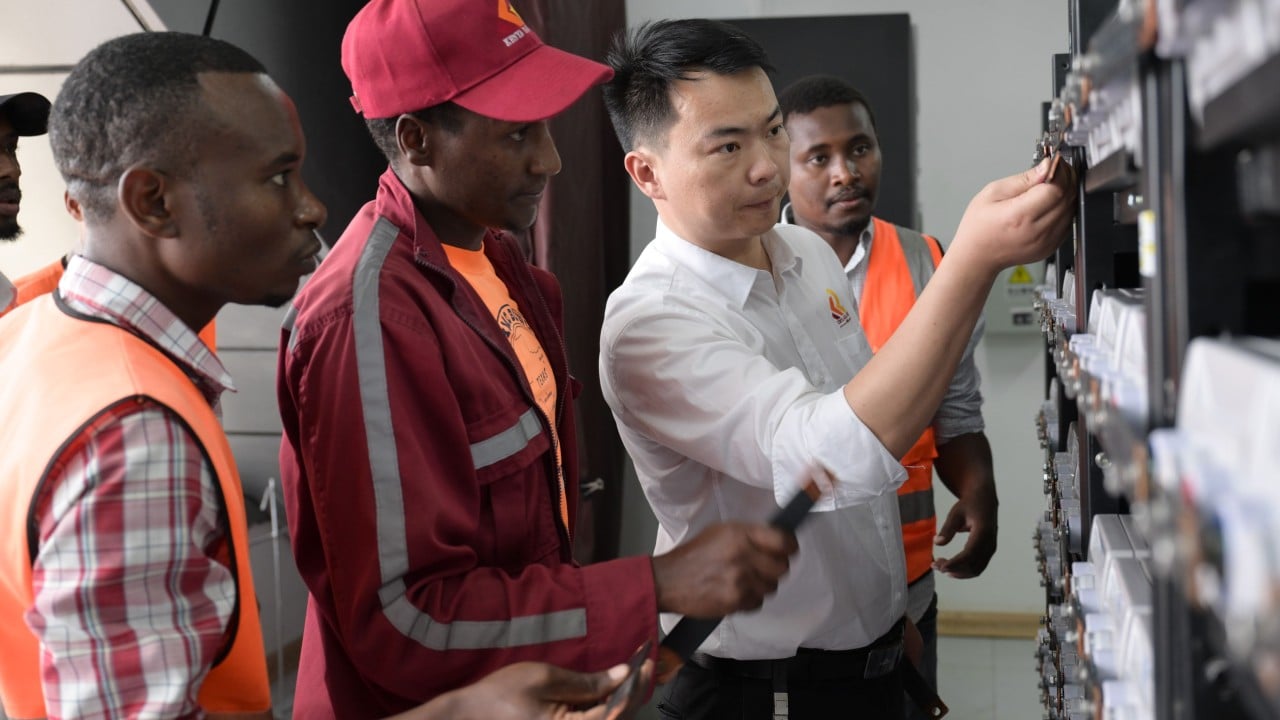
A recent mislabelled map displayed at the Aids 2026 conference revealed the disconnect between the United States' rhetoric and its actions vis-à-vis Africa. Senior State Department official Nick Checker spoke of resetting US relations with Africa, yet the reality often feels chaotic and transactional. Washington's policies have frequently relied on punitive tariffs, restrictive visa requirements, and selective interventions, rather than true partnership.
This pattern mirrors the Cold War era, where the US supported brutal regimes for strategic reasons. In contrast, China's engagement has yielded visible results, such as infrastructure development and humanitarian aid. A youth survey by the South African Ichikowitz Family Foundation found that 95 percent of respondents aged 18 to 24 view China as an ally.
This sentiment is mirrored in Pew Research Centre data, which shows a decline in positive perceptions of the US and an increase in support for China. The trend extends to the digital realm, where African tech users prefer Chinese AI models over American ones. Economic pragmatism is driving this shift, as China becomes a major trading partner, with African nations adopting the yuan for trade settlements.
China's consistent support for African decolonisation, dating back to the Bandung Conference in 1955, has built lasting partnerships and a technological presence in Africa. As China continues to build infrastructure and foster economic ties, observers should recognize the friendship African nations express for China.
Written by urgent.news from South China Morning Post's reporting — not their text. Machine-written — may contain errors; check the original before relying on it.