Advisor to Prime Minister and Official Spokesperson for Ministry of Foreign Affairs: Qatar Continued Its Efforts to Encourage Return to Negotiations between US, Iran
Advisor to the Prime Minister and Official Spokesperson for the Ministry of Foreign Affairs Dr. Majed bin Mohammed Al Ansari affirmed that the State of Qatar has continued its efforts and regional con...
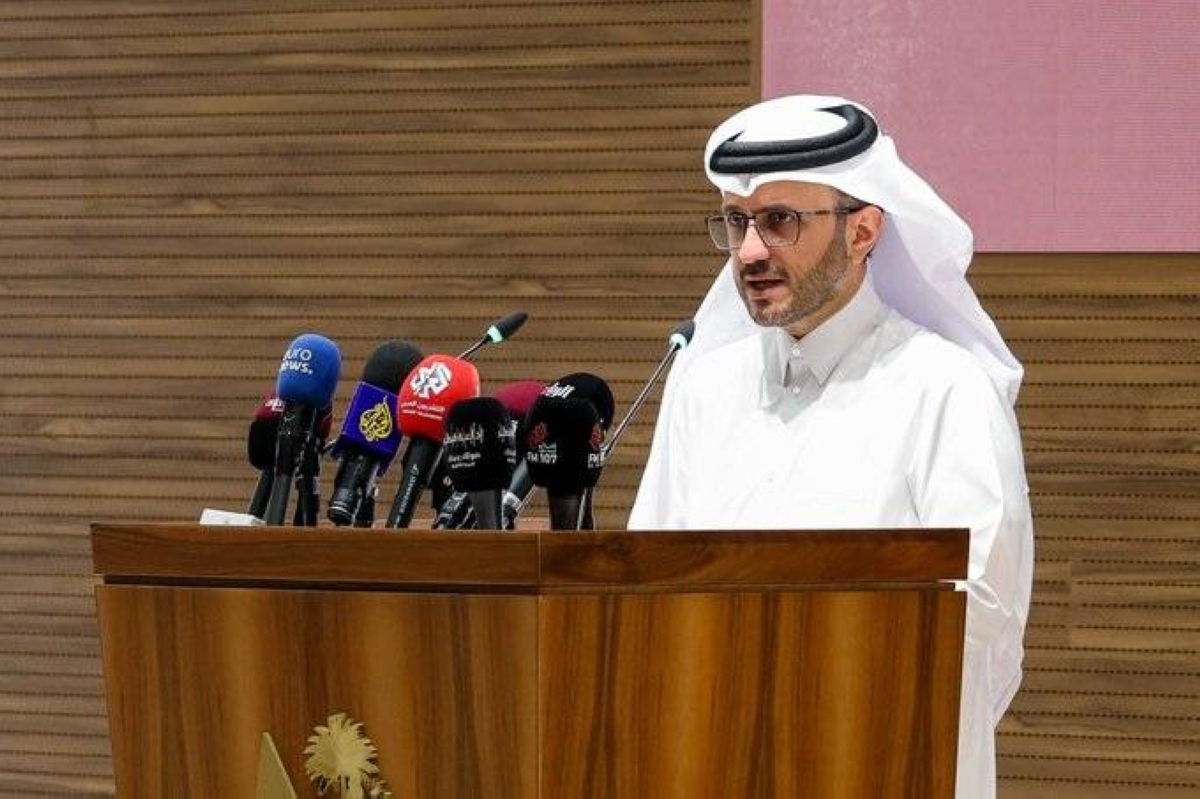
Dr. Majed bin Mohammed Al Ansari, the advisor to the Prime Minister and official spokesperson for the Ministry of Foreign Affairs of Qatar, confirmed that Qatar has persistently engaged in regional contacts and diplomatic efforts to promote negotiations between the United States and Iran. During a press briefing, Dr. Al Ansari emphasized that Qatar had cautioned from the outset of the crisis about the far-reaching consequences of any escalation, both within the region and on the global economy.
He reiterated Qatar's unwavering commitment to supporting diplomatic resolutions and alleviating tensions.
Regarding the American call for economic sanctions against Iran, Dr. Al Ansari highlighted that both Qatar and its regional allies had warned from the very beginning about the economic repercussions of war and escalation. He stressed that the top priority for Qatar is to restore normalcy to the Strait of Hormuz, safeguard global energy and food security, and maintain the stability of supply chains, all of which can only be attained through a comprehensive diplomatic solution.
Dr. Al Ansari clarified that the sanctions under discussion do not directly impact Qatar, as Doha adheres to the framework of international sanctions and maintains positive engagement with the measures enacted in this regard, while emphasizing that the decisions of individual nations are contingent on regional developments and diplomatic efforts.
He also vehemently rejected allegations made by some Iranian officials regarding targeting countries in the region, reaffirming Qatar's unequivocal stance against such incitements. Qatar, with its institutions and armed forces, is fully prepared to defend its security and sovereignty against any aggression, irrespective of its origin or justification, he added.
Dr. Al Ansari underscored the importance of all parties engaging in dialogue to resolve the crisis. He affirmed that the Gulf Cooperation Council (GCC) countries have been consistently communicating and meeting since the onset of the crisis, citing PM Sheikh Mohammed bin Abdulrahman bin Jassim Al-Thani's recent visit to Riyadh and his meeting with the Saudi Arabian Minister of Foreign Affairs, Prince Faisal bin Farhan bin Abdullah Al-Saud, as evidence of the high level of coordination among the Gulf states to counter any potential threats and monitor the escalating situation.
Regarding the Strait of Hormuz, Dr. Al Ansari stressed the necessity of restoring freedom of navigation and maritime passage in line with international laws, emphasizing that the crisis necessitates a political and diplomatic resolution to ensure regional stability and preserve the mutual interests of all parties involved. In response to a query about a Financial Times report on the reduction of budgets for government agencies and Qatari foreign aid, Dr. Al Ansari denounced the figures as inaccurate and out of context, urging media outlets to verify information from official sources.
He noted that the reported budget cuts by up to 30 percent were a result of precautionary measures implemented by the state in response to the regional crisis, similar to the actions taken by any country facing exceptional circumstances or regional tensions. These budget reductions pertain solely to operational expenses, excluding salaries or capital projects.
Dr. Al Ansari highlighted that the Qatari government's primary objective is to ensure the well-being of its citizens and residents, irrespective of the economic challenges. The second priority is to ensure the continuity of national development projects, which will not be halted under any circumstances, as these initiatives are progressing according to their planned schedules, and all measures taken are within the context of the precautionary measures imposed by the current regional situation.
He stressed that these economic measures are circumstantial and not structural or permanent, and do not signify a shift in the Qatari economy's structure or strategic direction.
Written by urgent.news from Gulf Times's reporting — not their text. Machine-written — may contain errors; check the original before relying on it.