Why Do We Feel Anxious About Posting or Deleting a Photo on Social Media?
Posting a photo on social media may seem like an ordinary and insignificant action. However, for many people, choosing an image, writing a caption, deciding when to share it, and waiting for other people’s reactions can become a stressful process. In some cases, even deleting a post a few minutes after uploading it can raise […]
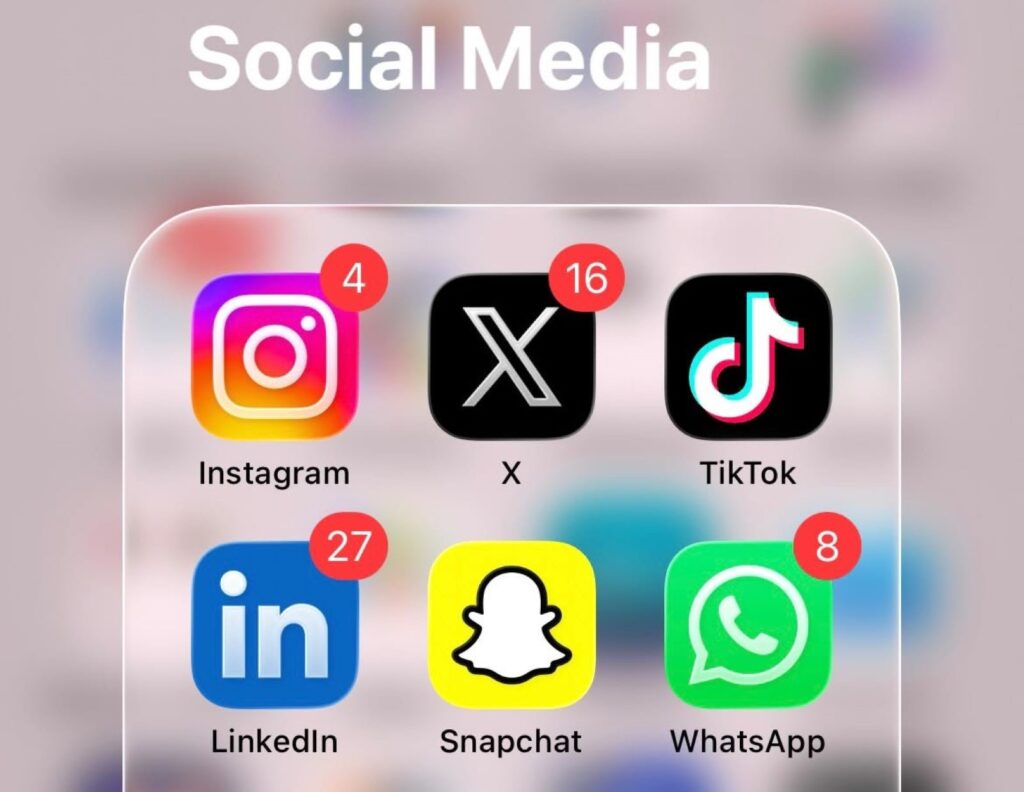
Many individuals experience anxiety when deciding or canceling a photo on social media, not because it is a significant act, but because it can become a stressful process. People meticulously choose images, add captions, determine the timing of sharing, and anxiously await reactions from others. Deleting a photo shortly after posting can also cause concern about others' perceptions.
The anxiety associated with social media photos stems from the transformation of personal moments into public content. An image is no longer just a memory; it can represent one's identity to friends, family, colleagues, or even strangers. The fear of receiving few reactions, judgment for one's appearance, or comparison with others' posts can transform an ordinary action into one with significant emotional weight.
This anxiety often arises from the need for external validation, as likes, comments, and interactions serve as signals indicating how a post was received. Positive responses can bring satisfaction, while lower-than-expected responses can lead to doubts about one's image. Social media's unpredictable feedback can cause people to repeatedly check notifications after sharing an image.
Before posting, some individuals spend considerable time selecting photos, making adjustments, applying filters, and contemplating the best representation of themselves. This process can turn an enjoyable activity into a source of stress. The fear of being judged is another factor, as a photo can be interpreted differently by each viewer. Some people may choose not to post or delete a post after sharing it due to uncertainty about others' reactions.
Social media also fuels social comparison, as platforms display carefully curated images of seemingly perfect vacations, appearances, events, and accomplishments. These representations often do not reflect the full reality of users' lives. The pressure to maintain a particular digital image, especially during adolescence and young adulthood, can become substantial when other people's opinions impact identity development.
When a photo fails to receive the expected reactions, negative thoughts may surface, questioning its attractiveness, followers' interest, or the image posted. Research from the National University of La Plata found that situations like posting without reactions, receiving negative comments, or feeling ignored can increase anxiety levels among university students. This highlights how an ordinary digital activity can produce considerable emotional responses.
Anxiety related to social media does not affect everyone equally. The experience depends on individual factors, such as the type of content consumed, usage frequency, and the importance placed on digital approval. A healthy relationship with social media can be fostered by remembering that a post does not define a person's value and that digital reactions are not an objective measure of attractiveness, success, or acceptance.
Limiting the need to constantly check notifications, avoiding comparisons with idealized images, and allowing oneself to post without expecting a specific response can contribute to a more balanced online experience.
Written by urgent.news from Colombia One's reporting — not their text. Machine-written — may contain errors; check the original before relying on it.