Can You Kill Salmonella in Eggs Without Cooking Them? I Tried It
With advice from infectious disease experts, I tested a low-effort way to pasteurize eggs at home.
A multi-state salmonella outbreak has been linked to eggs, with the FDA recalling eggs from one supplier, Midwest Poultry Services. While the recall initially affected Kroger stores in Texas, other brands distributed by Kroger and Simple Truth may also be affected.
Salmonella, which can cause fever and severe diarrhea, is a common problem for eggs. Chickens can carry the bacterium Salmonella enteritidis, which can be transferred to the shell from contact with droppings or deposited inside the egg from an infected chicken's ovaries. It's difficult to tell if a chicken has salmonella, as it can be transmitted by rodents or wild birds.
The USDA has enacted a 72-page egg safety requirement in 2009, but it hasn't eradicated contamination. Keeping eggs refrigerated at 42 degrees Fahrenheit or less and washing hands before and after handling is good practice. Cooking eggs thoroughly, with a firm yolk and white, is the most effective way to kill salmonella bacteria.
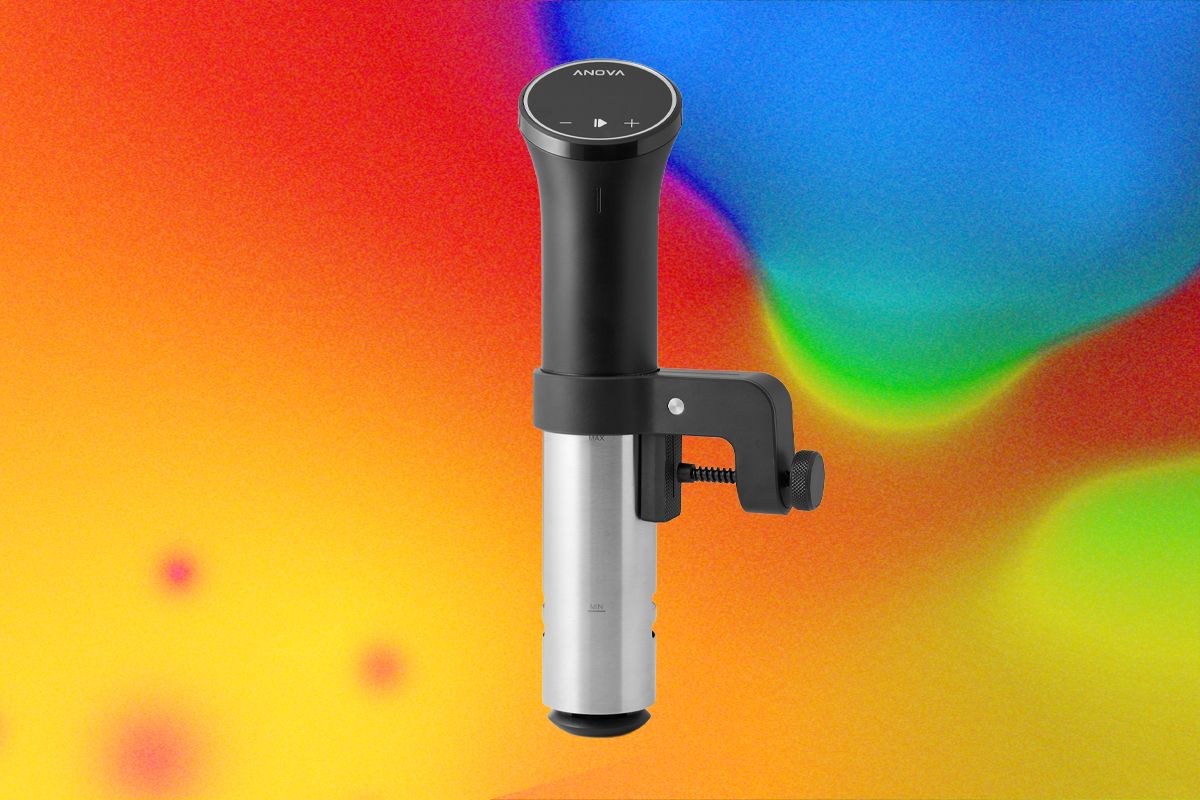
For those who consume uncooked eggs, such as for mayonnaise, aiolis, eggnog, and royal icing, pasteurizing the eggs is necessary. This involves heating the egg for a long period of time at 130 to 140 degrees Fahrenheit, but not cooking it. Anova, a company that builds water baths, has created an immersion circulator that can pasteurize store-bought eggs at home.
One 90-minute sous vide process is sufficient to kill salmonella, according to microbiologist Kristin Burkholder. However, it's important to note that the process may not kill all the bacteria, so immunocompromised individuals should consider other cooking options.
Written by urgent.news from Wired's reporting — not their text. Machine-written — may contain errors; check the original before relying on it.