Why banishing irrational numbers could trigger a revolution in quantum theory
Irrational numbers have underpinned quantum mechanics for a century. Removing them could eliminate its strangest features and trigger the biggest upheaval in physics since quantum theory began
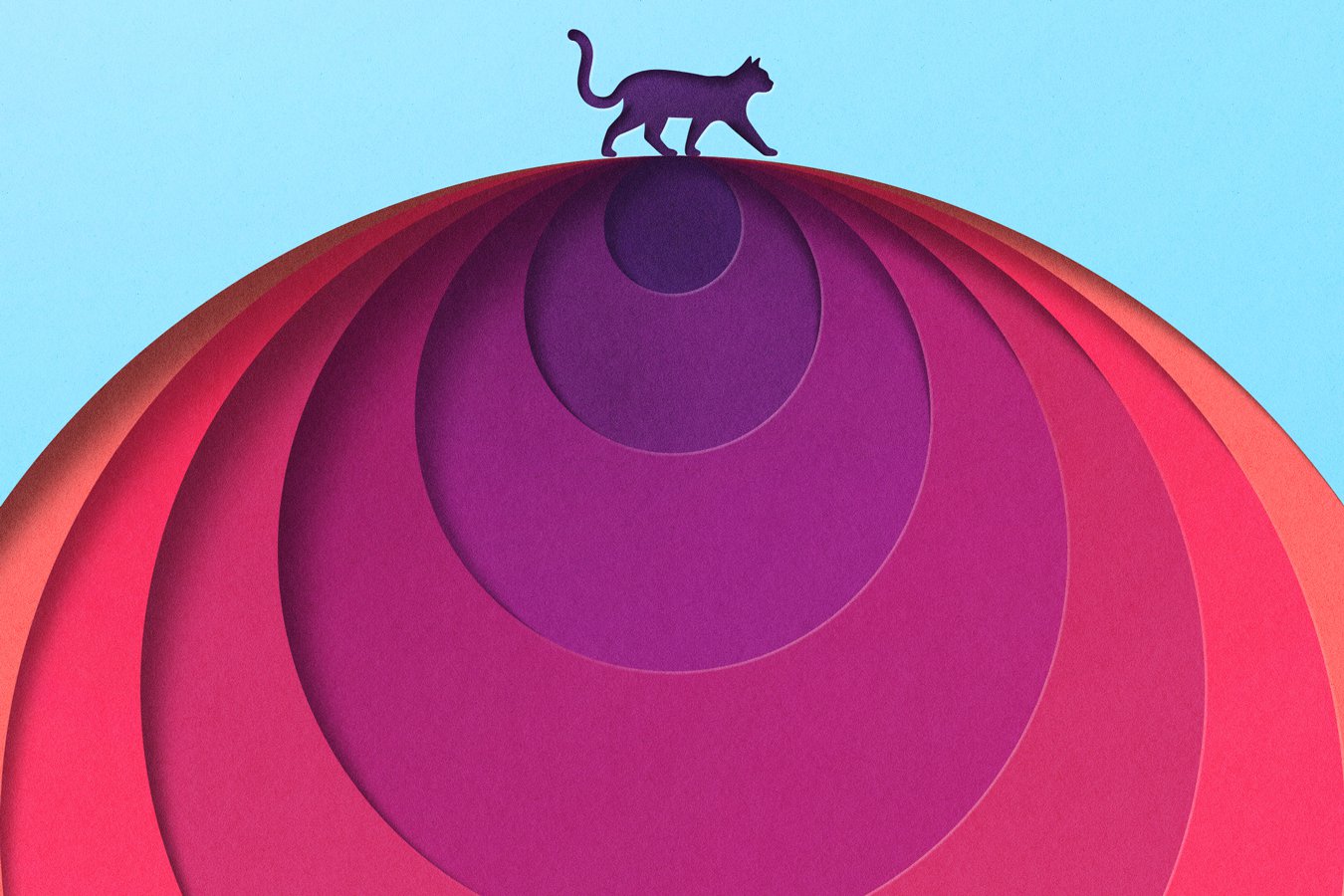
The story of irrational numbers being banned could lead to a revolution in quantum theory, according to Tim Palmer, a physicist at the University of Oxford. These irrational numbers, like the square root of 2 or pi, have been a source of controversy since ancient times, with Hippasus of Metapontum being punished for discovering them.
In quantum mechanics, irrational numbers are fundamental, leading to bizarre phenomena such as entanglement and superpositions. However, Palmer proposes a new theory, rational quantum mechanics (RaQM), that would eliminate irrational numbers and their associated issues.
RaQM argues that the current mathematical framework, based on Hilbert space, suffers from oddities that can be eliminated by restricting the space to rational numbers only. This would banish entanglement and the strange behavior of superpositions, leading to a more intuitive theory of quantum mechanics. Furthermore, RaQM would place a fundamental limit on the power of quantum computers, potentially impacting the billion-dollar industry and even dispelling the dreams that have motivated their development since the 1990s.
The theory claims to be consistent with the century-old success of quantum mechanics in experimental tests, while also resolving the issues that have plagued it. By embracing RaQM, physicists may find a more elegant and practical approach to understanding the quantum world, potentially leading to a major breakthrough in the field.
Written by urgent.news from New Scientist's reporting — not their text. Machine-written — may contain errors; check the original before relying on it.