Walmart is 3D printing the future of big box stores
Walmart once famously hyped its “low price guarantee,” showcasing how the retailer’s scale helped customers save money. Now, in a push to cut its own costs, Walmart is 3D printing its stores. For the last two years, contractors working for Walmart have used 3D-printed construction at a handful of sites across the U.S. The walls for five additions to existing stores in Tennessee, Missouri,…
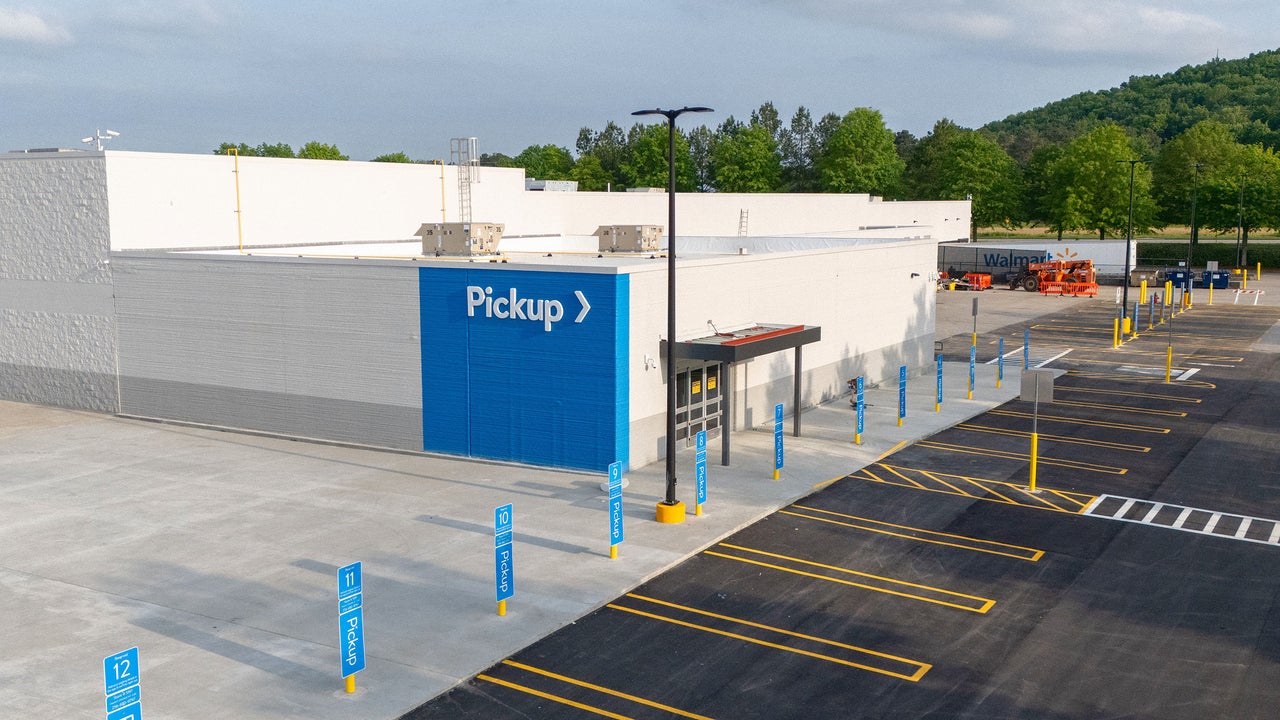
Walmart is pioneering the use of 3D printing technology in the construction of large-scale commercial buildings. Over the past two years, contractors working for Walmart have been utilizing 3D-printed construction at several locations across the United States, with five additions to existing stores in Tennessee, Missouri, Alabama, and Arkansas completed thus far. This marks the largest deployment of 3D-printed architecture in the commercial sector.
The retail giant's scale is driving the growth and adoption of this innovative technology, which promises to construct buildings more rapidly and affordably than traditional methods. While 3D printing has primarily been utilized for residential structures due to their smaller size and the technology's relative infancy, expanding it to the commercial sector could help scale up the industry and demonstrate its utility.
Walmart has partnered with Alquist, the manufacturer of robotic A1X 3D printers, and FMGI, a long-time contractor for the retail giant. The collaboration has led to the completion of multiple 3D-printed buildings for Walmart, including an 8,000-square-foot, 20-foot-high expansion at its Athens, Tennessee location in September 2024. This was the largest 3D-printed commercial structure in the United States at the time.
FMGI, which has extensive experience working with major retailers such as Home Depot, Trader Joe's, Aldi, and Publix, has faced challenges in transitioning to 3D printing, including mastering the new robotic printer system and obtaining approval from city authorities. However, the time and cost savings have been substantial, with projects taking a third less time and reducing construction costs by 15%.
The use of 3D printing in construction offers several advantages, such as faster project completion and lower costs, which can help retailers open new stores more quickly and efficiently. Additionally, the technology can attract young workers who are drawn to the innovative and automated nature of the process, addressing the ongoing labor shortage in the construction industry.
Looking ahead, FMGI and Walmart are in final negotiations to build a 50,000-square-foot grocery store using this advanced construction method, which would set a new record as the world's largest 3D-printed building. Other construction firms and retailers are closely watching Walmart's progress and are poised to adopt this technology, signaling a significant shift in the industry.
Written by urgent.news from Fast Company's reporting — not their text. Machine-written — may contain errors; check the original before relying on it.