Ukraine's anti-corruption bodies risk becoming 'parallel government'
Ukraine's anti-corruption bodies are increasingly becoming participants in political battles rather than merely referees, risking becoming a "parallel government" and political weapon, The Economist reported on Aug. 24.
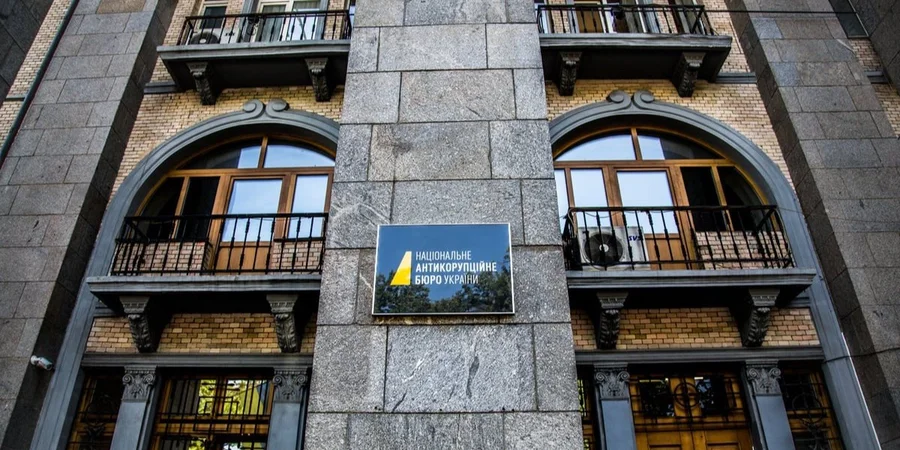
The Economist reported on August 24 that Ukraine's anti-corruption bodies, comprising the National Anti-Corruption Bureau of Ukraine (NABU), the Specialized Anti-Corruption Prosecutor’s Office (SAPO), and the High Anti-Corruption Court (HACC), are increasingly becoming active participants in political battles rather than just referees.
This emergence of a powerful independent force has raised concerns among critics who argue that the bodies are turning into a parallel government, capable of destabilizing the government and becoming a political weapon. A senior official even stated that NABU is becoming increasingly politicized, with no procedural basis for releasing sensitive recordings on the same day as a government vote.
Former officials note that the danger lies in this transformation turning into a political weapon that could further erode the nation's stability. The publication predicts that political confrontations are likely to intensify in the coming weeks, especially as Ukraine enters its fifth winter of war, with fewer air defense missiles available and Russia intensifying its attacks on Ukrainian infrastructure and civilian businesses.
Surveys conducted shortly before the anti-corruption investigations suggest that former Defense Minister Mykhailo Fedorov, a critic of the current administration, would finish third in a hypothetical presidential election, while Zelenskyy would lead with 21% of support.
Written by urgent.news from New Voice of Ukraine's reporting — not their text. Machine-written — may contain errors; check the original before relying on it.