U.K. forecasts ‘biggest’ El Nino will smash records, spark hottest year
El Nino typically results in drier conditions across southeast Asia, Australia, southern Africa, and northern Brazil, and wetter conditions in the Horn of Africa, the southern U.S., Peru and Ecuador
Britain's national weather agency, the Met Office, has predicted that this year's El Nino weather pattern will be the largest in over a century and could potentially make 2027 the hottest year globally. Adam Scaife, head of long-range forecasting at the Met Office, stated that the El Nino could peak at over 3 degrees Celsius above the norm, which is unprecedented in modern climate records.
An El Nino occurs when sea surface temperatures in the tropical eastern Pacific rise, leading to widespread changes in global weather patterns, including higher temperatures. The Met Office's blog noted that a record El Nino would exacerbate the stresses of climate change following a summer of heatwaves across Europe. Temperatures in the Pacific region are currently about 2.6 degrees Celsius above a 30-year average, exceeding the baseline by at least 0.5 degrees Celsius, as reported by the Climate Brink dashboard.
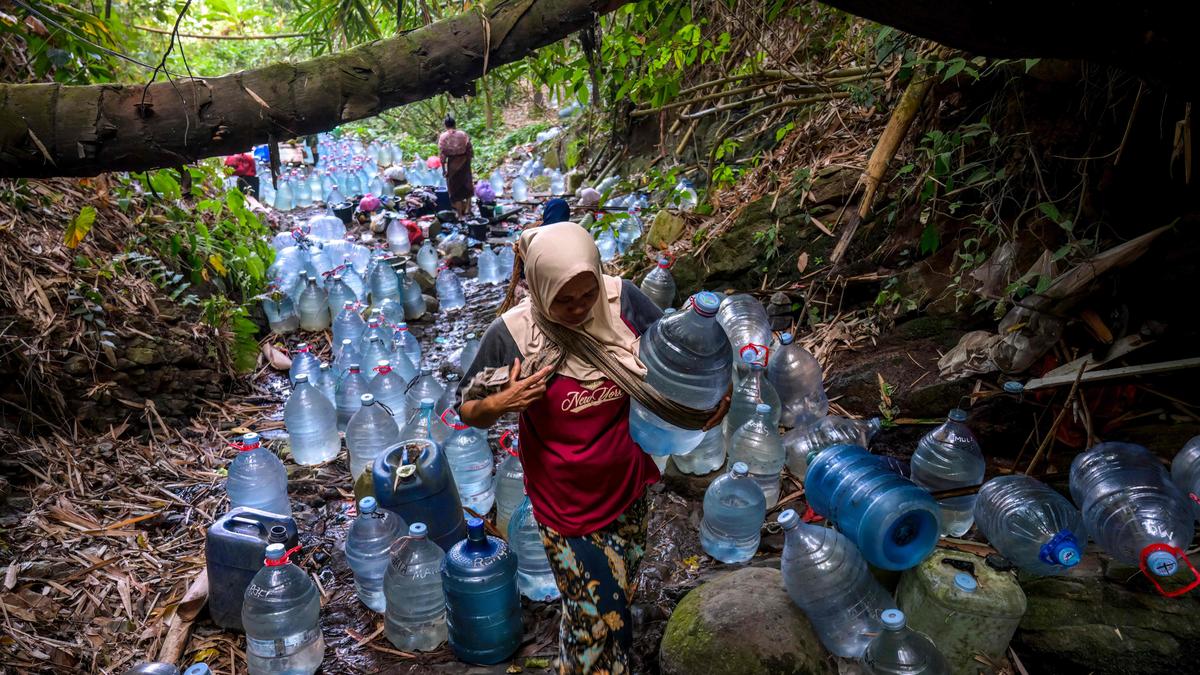
British scientists warn that this is an unprecedented event, with no similar signal observed in their forecasts. The unusual warmth of 2026 is expected to have significant effects in the tropics, particularly causing severe droughts in South America and the western Pacific. El Nino typically results in drier conditions in southeast Asia, Australia, southern Africa, and northern Brazil, while causing wetter conditions in the Horn of Africa, the southern United States, Peru, and Ecuador.
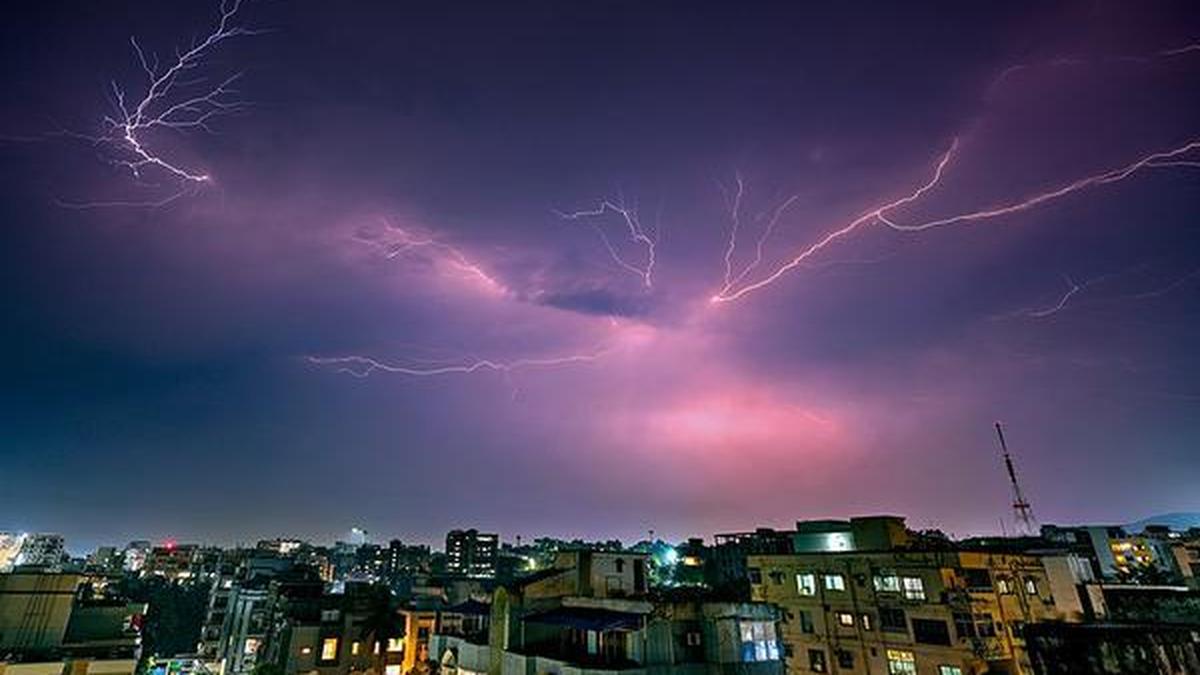
The Met Office also forecasts increased rainfall and storminess in the UK around November. Since El Nino events raise the global average temperature, 2027 is very likely to surpass 2024 as the warmest year on record, according to Nick Dunstone, another Met Office scientist.
Written by urgent.news from The Hindu - Sci-Tech's reporting — not their text. Machine-written — may contain errors; check the original before relying on it.
This story
This is one outlet's version. Read the fullest account.