Trump govt proposes $103k fee for skilled worker visa
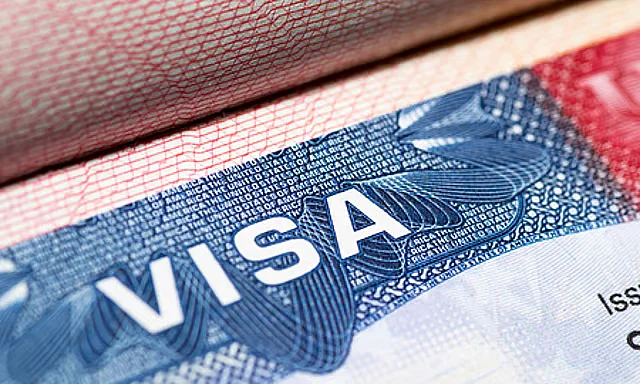
The administration of US President Donald Trump has proposed a fee exceeding $100,000 for employers hiring foreign workers through the H-1B visa program. This fee, proposed by the Department of Homeland Security, aims to cover the costs associated with administering the lawful immigration system. The $103,265 fee is meant to serve as a revenue mechanism, compensating for the expenses related to the program's operation.
The administration contends that the visa program has been misused to replace American workers instead of supplementing them. In September 2025, the Trump administration issued a presidential proclamation imposing the $100,000 fee to counteract what it deemed as "systemic abuse." However, a federal judge in June dismissed the order, siding with 20 Democratic-led states who argued that the fee amounted to an unlawful tax that circumvented Congressional authority.
Another federal judge later upheld the same action in December 2025, stating that President Trump had broad statutory authority to address perceived economic and national security concerns related to the H-1B program. The new proposal emphasizes cost-based arguments, asserting that the fee is necessary to recover expenses for various agencies, including USCIS, CBP, and ICE.
Simultaneously, the administration acknowledges an indirect benefit: US employers, faced with an additional $103,265 fee when filing an H-1B cap-subject petition, may be less inclined to hire H-1B workers over qualified and highly-skilled American counterparts. Importantly, the new proposed fee would be in addition to any other applicable fees or payments, including the presidential proclamation currently under legal review.
If the original $100,000 fee is granted, the new payment would be added on top. The H-1B program, established in 1990, currently grants 85,000 visas annually. Past recipients of H-1B visas include notable tech executives such as SpaceX's Elon Musk and Google's Sundar Pichai. Critics of the new rules argue that they could exacerbate critical shortages in sectors like medical, engineering, and science.
Written by urgent.news from Gulf News's reporting — not their text. Machine-written — may contain errors; check the original before relying on it.