Trump and referendum talk to mark a tough-to-predict Quebec election, analysts say
A new Quebec election campaign is beginning with a slate of new leaders facing serious issues including resurgent referendum conversations and U.S. trade threats.
An upcoming Quebec election, set to take place on October 5th, presents a complex and unpredictable landscape for voters, analysts have warned. Following four years of François Legault's Coalition Avenir Québec party maintaining a substantial lead, the election promises to be far less predictable due to several key factors.
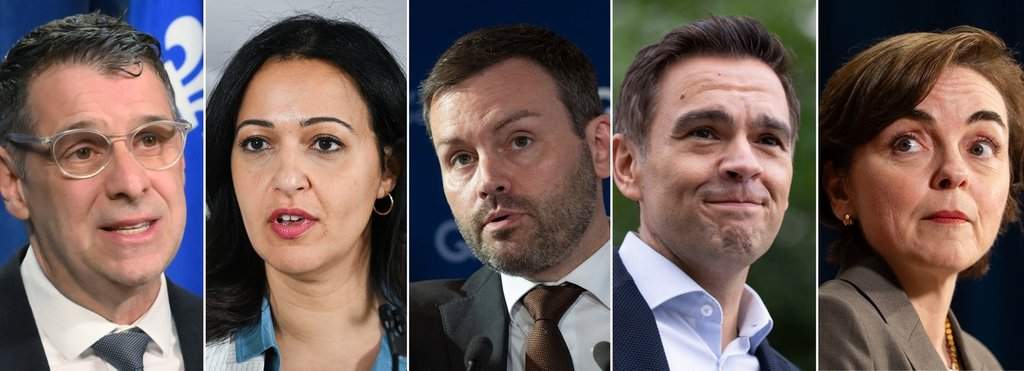
Christine Fréchette, Legault's successor as premier, is expected to initiate the official campaign in the coming days, triggering the much-anticipated provincial election. The Parti Québécois (PQ), led by Paul St-Pierre Plamondon, has been the frontrunner in recent polls, but their lead has diminished significantly. Former Premier Fréchette now faces the task of convincing voters of her ability to bring fresh ideas to the Coalition Avenir Québec party, which saw a decline in popularity during Legault's tenure.
The PQ's dominance is at risk from a crowded field of new party leaders, including the Liberals, Québec solidaire, and the Conservatives. The PQ's promise to hold a referendum in the first term of a Parti Québécois government, despite low voter support, adds another layer of uncertainty. Meanwhile, Fréchette must work to expand her party's support among francophones and those living in Quebec's regions, while the Conservatives seek their first elected seat in the legislature. Québec solidaire aims to regain momentum after years of low polling numbers.
A recent Léger/Le Journal poll revealed that 49% of respondents said they could change their vote by election day, indicating a population dissatisfied with the current political landscape. Key issues for the campaign include healthcare access, the economy, regional development, and natural resources. The PQ's referendum, often seen as a "ball and chain" hindering their campaign, could also negatively impact their prospects.
Meanwhile, trade tensions with the United States pose a challenge, given the lack of clear champions on this issue among the candidates.
Political science professor Danielle Pilette believes that the campaign will heavily focus on the party leaders' ability to address these pressing concerns. To succeed, candidates must define themselves as defenders against external threats, particularly the United States, much like Ontario Premier Doug Ford has done. Lastly, the province's balanced budget requirements and the need for significant restructuring and cost-cutting could play a pivotal role in the outcome of the election.
Written by urgent.news from Global News's reporting — not their text. Machine-written — may contain errors; check the original before relying on it.
This story
This is one outlet's version. Read the fullest account.
- Trump and referendum talk to mark a tough-to-predict Quebec election, analysts say winnipegfreepress.com