Trucking Downturn: Why 85% of New Carriers Didn’t Survive
The freight market has seen a brutal downturn, with an astounding 85% failure rate for new carriers in the past three years. Kirk Mann, EVP & GM of Transportation and Vendor Solutions at Mitsubishi HC Capital America, dives into why this cycle was the longest, the impact of over-financed assets, and what it means for […] The post Trucking Downturn: Why 85% of New Carriers Didn’t Survive appeared…
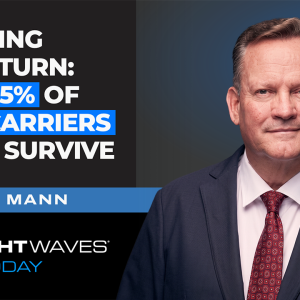
A recent analysis reveals that 85% of new carriers with less than two years of experience and their own Motor Carrier authority failed during an extended freight downturn. Kirk Mann, EVP & GM of Transportation and Vendor Solutions at Mitsubishi HC Capital America, explained that this prolonged cycle was the longest in recent history.
The failure rate was driven by an equipment bubble that inflated during 2021 and 2022, with lenders financing assets at values far exceeding their actual worth. Mitsubishi HC Capital faced significant challenges as defaults increased, restructuring around 75% of its loans during the COVID-19 assistance program, with 95% of borrowers resuming payments within 90 days.
However, Mitsubishi HC Capital accumulated repossessed inventory for an extended period before conditions improved enough to move units through various sales channels. The current recovery is real but uneven, with medium and large fleets experiencing tighter balance sheets despite spot rates firming and higher freight rejection rates over the last six months.
Mann emphasized that freight demand, not equipment availability, remains the binding constraint for carrier growth. He noted that replacement demand exists but is less than 100% of what would be expected in a normal expansion. Financing rates today range from approximately 5.25% for investment-grade private fleets to around 12% or higher for lower-credit small operators.
Mann suggested that fleets of 50 to 200 units are increasingly turning to Mitsubishi HC Capital through dealer relationships due to liquidity constraints among traditional lenders. Despite the challenges, Mann's Japanese parent company prefers "controlled, profitable growth" and aims to expand lending volume once freight demand catches up to support healthier carrier economics.
Written by urgent.news from FreightWaves's reporting — not their text. Machine-written — may contain errors; check the original before relying on it.
Also reported by 1 other outlet
- Trucking Downturn: Why 85% of New Carriers Didn’t Survive finance.yahoo.com