The UAE: Avoiding harm and building alternatives in an era of maritime transformations
A simplified narrative often circulates across social media suggesting that there is “no longer any need for the Strait of Hormuz,” as if the UAE’s development of alternative routes implies abandoning one of the world’s most important international waterways. Yet followers of the UAE’s maritime policy argue that such a claim overlooks a fundamental principle in the country’s strategic approach:…
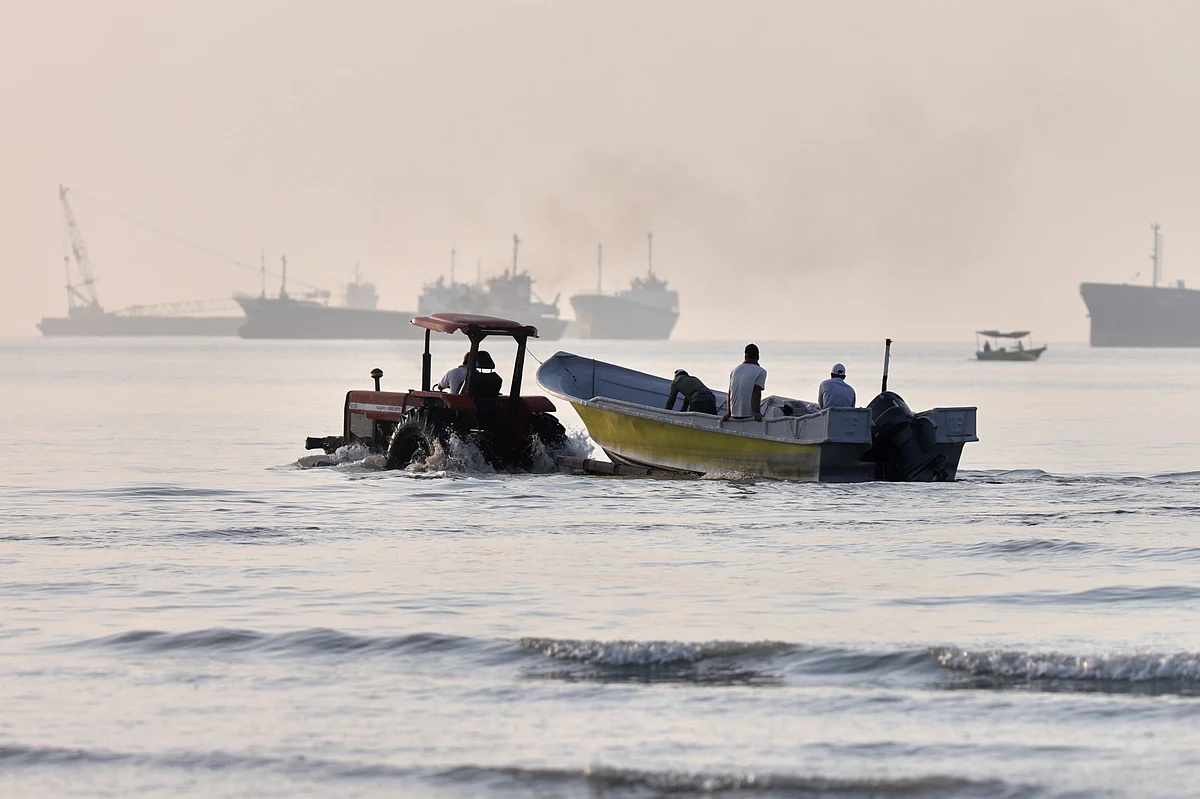
The United Arab Emirates (UAE) has been building alternative maritime routes to safeguard its strategic interests in a rapidly changing global environment, where risks and threats are increasing. This approach, contrary to popular belief, does not aim to replace the Strait of Hormuz, but rather to strengthen national resilience and fortify its economies.
The UAE's strategy is grounded in the principle of avoiding harm, seeking to reduce the impact of potential disruptions without disrupting essential trade routes. This is emphasized by reports from the International Energy Agency and S&P Global, which suggest that diversifying export routes enhances global supply resilience and strategic strength.
The UAE's maritime resilience is exemplified by its advanced network of ports and pipelines, including Fujairah Port, Khorfakkan Port, and the Abu Dhabi–Fujairah pipeline. These facilities are not mere theoretical proposals, but fully operational systems that can redirect commercial flows swiftly and efficiently, even in the face of potential threats.
The UAE's model demonstrates that the country is not seeking to bypass the Strait of Hormuz, but rather to fortify its economies by establishing parallel pathways that ensure operational continuity under all circumstances. This strategic evolution is recognized by institutions such as Chatham House and the Center for Strategic and International Studies (CSIS), which highlight the UAE's ability to manage maritime risks through a multi-directional port network.
Written by urgent.news from Gulf News's reporting — not their text. Machine-written — may contain errors; check the original before relying on it.