Suzuki unveils electric minivehicle that has a 310-kilometer range
Suzuki has yet to set a price for the model, due to come out this fiscal year, but aims to make it affordable enough to encourage a shift among gasoline car owners.
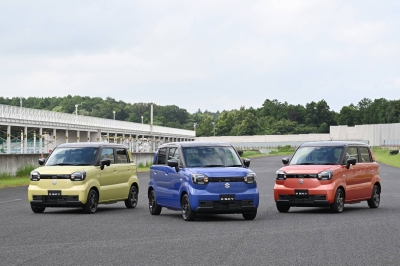
Suzuki Motor has revealed a prototype of its inaugural electric minivehicle, the e Sky, boasting an impressive reference range of 310 kilometers. This electric vehicle is anticipated to hit the market within the current fiscal year, concluding next March. The pricing for this model has not been announced yet, but Suzuki aims to ensure it remains affordable to incentivize a transition away from gasoline-powered cars.
Leveraging decades of expertise in crafting minivehicles, Suzuki has capitalized on the segment's characteristic agility to develop the e Sky. The vehicle's extended range is attributed to a combination of weight reduction and high energy efficiency. A Suzuki development representative emphasized the importance of creating a user-friendly experience for drivers accustomed to gasoline cars, striking a balance between cost and performance.
To alleviate drivers' apprehensions about insufficient charge before reaching a charging station, the e Sky features a navigation system that suggests routes according to the remaining driving range and traffic conditions. With the electric minivehicle market in Japan poised for heightened competition as other players enter the arena, Suzuki welcomed the increased competition, stating, "More options for consumers is a positive development." The company aims to establish itself as a leading player in the minivehicle niche.
Written by urgent.news from Japan Times's reporting — not their text. Machine-written — may contain errors; check the original before relying on it.