미국, 이란 ‘경제적 고립 작전’ 돌입…“중국도 예외 없다”
The United States has embarked on a massive economic containment operation against Iran, aiming to isolate the country from the global economy. The strategy involves targeting third countries that trade with Iran, referred to as "second sanctions." However, China's large banks and companies were not specifically targeted. The Iranian rial saw its lowest value ever against the dollar, while the U.S. Treasury Secretary Scott Bennett announced a historic "economic outcast" operation on May 24. He assured that all funds would be cut off, plunging Iran into an "economic strangulation" state.
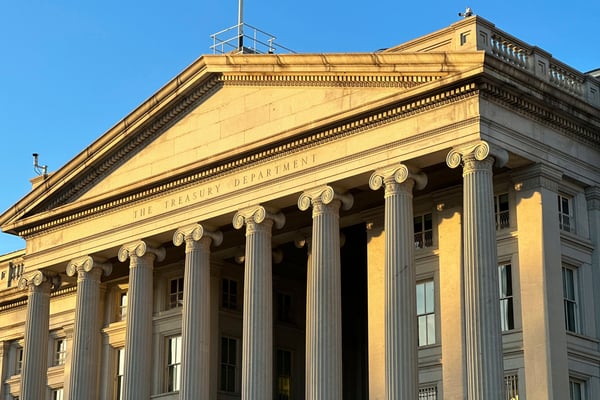
The U.S. had been warning of this economic "D-Day" for the past week, with the Treasury Department strengthening secondary sanctions on Iran's digital assets, technologies, gold, aviation, shipping, and the five sectors involved in funding or earning revenue from these sectors. Over 60 entities and individuals from around the world, including banks and ships, were added to the list of secondary sanctions.
The Secretary stressed that all economic lifelines supporting Iran would be cut until the country is left alone. However, the U.S. did not immediately impose comprehensive secondary sanctions on third countries. Bennett warned that there would be "infinite patience" before taking action against countries willing to negotiate a "cure period" for trade with Iran. He also threatened retaliation against those who try to evade the sanctions.
China, the largest importer of Iranian oil, was seen as the single variable influencing the effectiveness of the U.S. sanctions. With Iran buying nearly 80-90% of its oil from China, the real impact of the sanctions relies heavily on how effectively the U.S. can involve China and other major trading partners. Iran has strongly retaliated, warning that any action to worsen the situation would have consequences, reaffirming that its "hands are tied."
The Supreme National Security Council's chief, Mohsen Rezaei, also cautioned that countries supporting the U.S. economic sanctions would be considered "acts of war." The central bank's governor, Abdolnaser Hemati, asserted that the U.S. had already done everything it could in terms of sanctions and that the new measures would not bring new pressure.
The country could still import essential goods and medicines, he emphasized. As the U.S. pressure escalates, the unofficial foreign exchange market saw the rial drop to a record low of 2.02 million per dollar, while the official rate was around 1.5 million. If the ongoing war and U.S. naval blockades continue, the country's GDP could decrease by over 5%.
Written by urgent.news from Hankyoreh's reporting — not their text. Machine-written — may contain errors; check the original before relying on it.