Stephen Colbert’s late-night successor trades Trump satire for harmless jokes
‘Comics Unleashed’ brings together a roster of comedians specialized in offending no one, a shift that marks the decline of political humor on US television
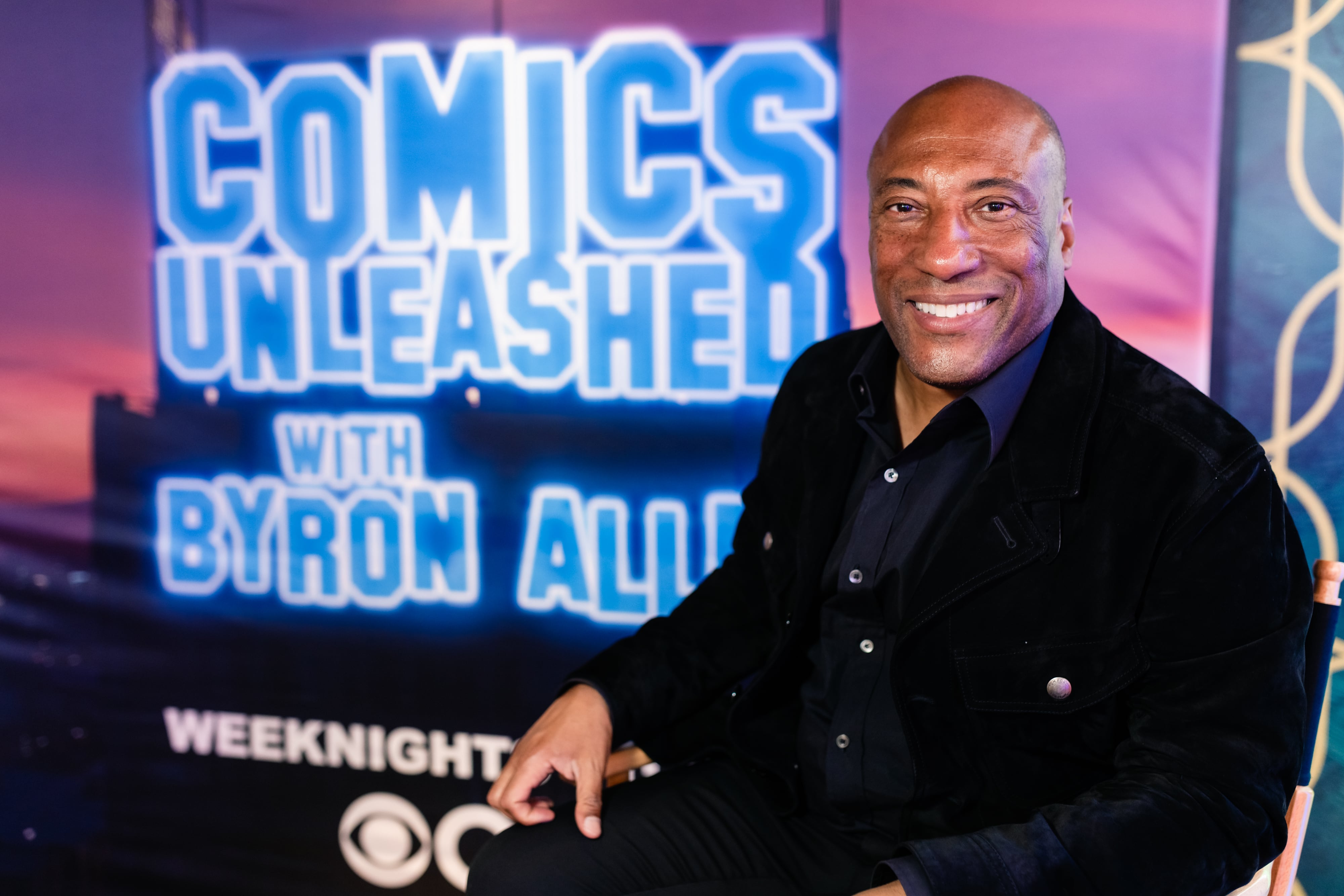
Stephen Colbert, the renowned comedian and late-night talk show host, left his mark on U.S. television through his satirical commentary on politicians. His show, The Late Show, had been a staple of CBS's programming since 2015 until it was replaced by Comics Unleashed, a new program aimed at targeting a family-friendly audience. The shift was seen as a strategic move by CBS to adapt to the changing landscape of television, driven by factors such as declining viewership, political polarization, and the rise of smartphones.
Bill Dwyer, the comedian who took on the role of host for Comics Unleashed, introduced a style of humor focused on harmless jokes that did not offend anyone. This new approach featured topics like the trustworthiness of small dog owners and excessive airport security measures. The show, which aired at 11:35 p.m. on the East Coast, aimed to provide a daily dose of light-hearted entertainment that would appeal to a broad audience.
The decision to replace The Late Show with Comics Unleashed was influenced by the financial pressures faced by CBS during that time. The network opted for a more cost-effective solution by selecting an existing program that had already proven its popularity, paying a fraction of the cost typically associated with traditional late-night shows. The new show, created by Byron Allen, a media mogul, came with a $15 million deal from CBS, which allowed Allen to keep most of the advertising time and sell it himself.
While the new show may have faced a significant ratings decline in its early stages, it was still financially successful for CBS due to the reduced production costs. The arrangement represented a shift in the dynamics of television programming, with the administration's influence on content becoming more apparent. The Trump administration had attempted to sway programming choices, as seen in the cancellation of Jimmy Kimmel's show over remarks he made about conservative activist Charlie Kirk.
Colbert's cancellation was a result of his criticism of the settlement agreement that Paramount, CBS's parent company, reached with Trump. Although the lawsuit against Trump was unlikely to succeed, CBS opted to end the show to avoid potential conflicts with the administration. Former host David Letterman criticized the decision as "pure cowardice," emphasizing the impact of the administration's pressures on political satire in the U.S. television landscape.
Written by urgent.news from El Pais English's reporting — not their text. Machine-written — may contain errors; check the original before relying on it.