Satellite sees Greenland's most significant floating ice loss in over a decade | Space photo of the day for Aug. 24, 2026
A fractured "ice tongue" is visible in the imagery.
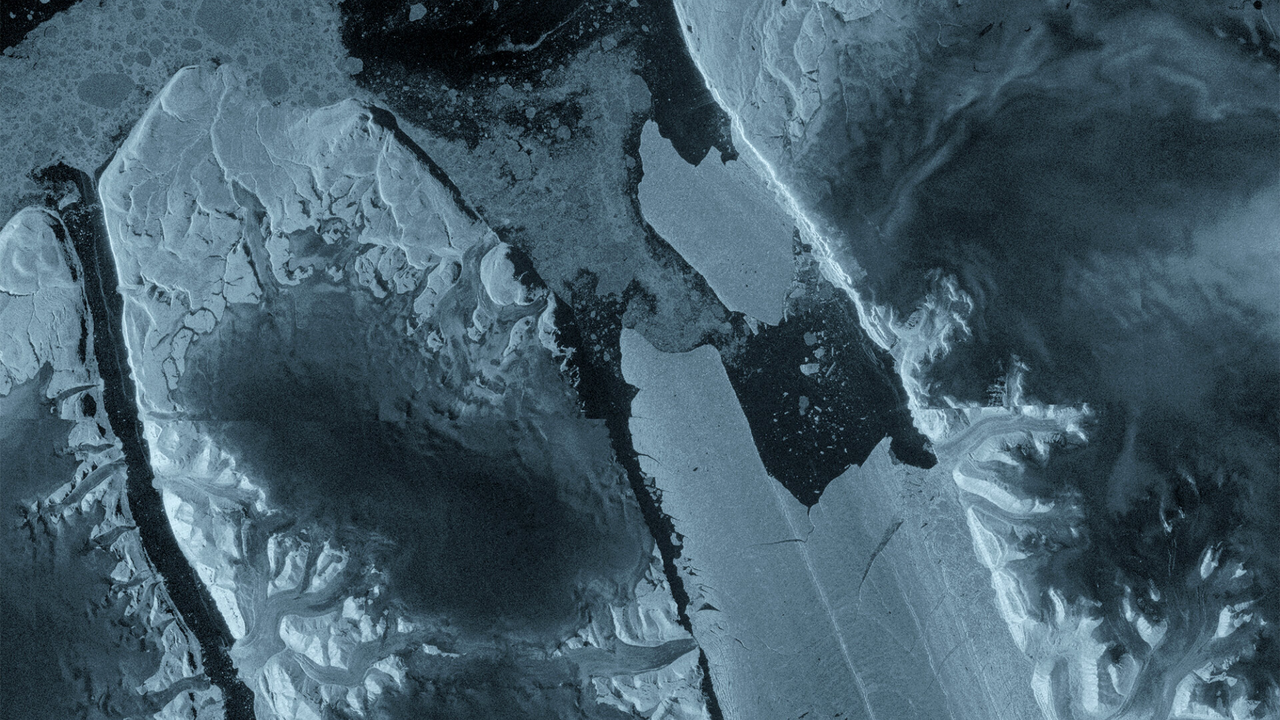
New satellite imagery from the European Space Agency's Copernicus Sentinel-1 mission has revealed a significant loss of floating ice from Greenland's Petermann Glacier. Petermann Glacier, which connects the Greenland ice sheet to the Arctic Ocean, has seen a dramatic calving event. On August 4, 2026, the satellite captured an image showing a 29 square mile (76 square km) section of the glacier's ice tongue breaking away.
This is the most significant ice calving event observed in the Arctic since 2020. The loss of such a massive piece of ice highlights the impact of climate change on polar regions. According to ESA Earth scientist Martin Wearing, these systematic long-term observations are crucial for tracking changes and understanding the processes driving calving.
Anna Crawford, a glaciologist at the University of Stirling, emphasized the importance of studying Arctic ice islands to gain knowledge about glacier dynamics, sea-level rise, and ocean environments.
Written by urgent.news from Space.com's reporting — not their text. Machine-written — may contain errors; check the original before relying on it.