Sardine deaths along Cape coast: PHV detected as Koeberg Unit 1 cuts power
Pilchard herpesvirus is emerging as the prime suspect in the mass mortality of sardines along the Cape coast, an incident that prompted beach clean-ups and forced Eskom's Koeberg station to reduce power output.
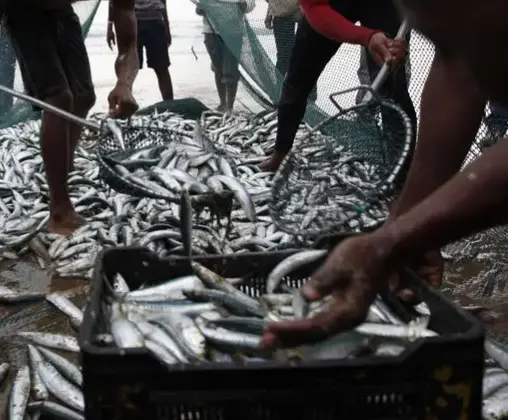
Eskom, the South African power utility, reported that it temporarily reduced the power output of its Koeberg Nuclear Power Station Unit 1 to 50% after a cooling pump malfunctioned due to a buildup of marine material in the seawater intake. This incident occurred as large numbers of sardines continued to wash up along the Western and Southwestern Cape coast.
Eskom explained that the reduction in power generation was a deliberate safety measure, ensuring that the nuclear and operational safety of the station remained uncompromised. The controlled adjustment happened after the cooling pump automatically turned off, triggered by the marine material accumulation. The seawater intake system was designed to automatically respond to such conditions, allowing the station to operate safely while the marine material was cleared.
Emergency response teams were deployed to clear the intake area, and power generation at Unit 1 will return to normal once the intake is fully restored. Due to Eskom's successful Generation Recovery Plan, there was no impact on electricity supply to South Africa. Meanwhile, laboratory tests revealed the presence of pilchard herpesvirus (PHV) in some dead sardines along the Western Cape coast, though the virus's role in the sardine deaths was still under investigation.
Written by urgent.news from IOL's reporting — not their text. Machine-written — may contain errors; check the original before relying on it.