Retro Rabbit cautions businesses to beware of AI trap in development
Retro Rabbit/Smartek21 has embraced AI but depends on human skill and experience to harness it effectively, says David Noakes, software architect at Retro Rabbit/SmarTek21.
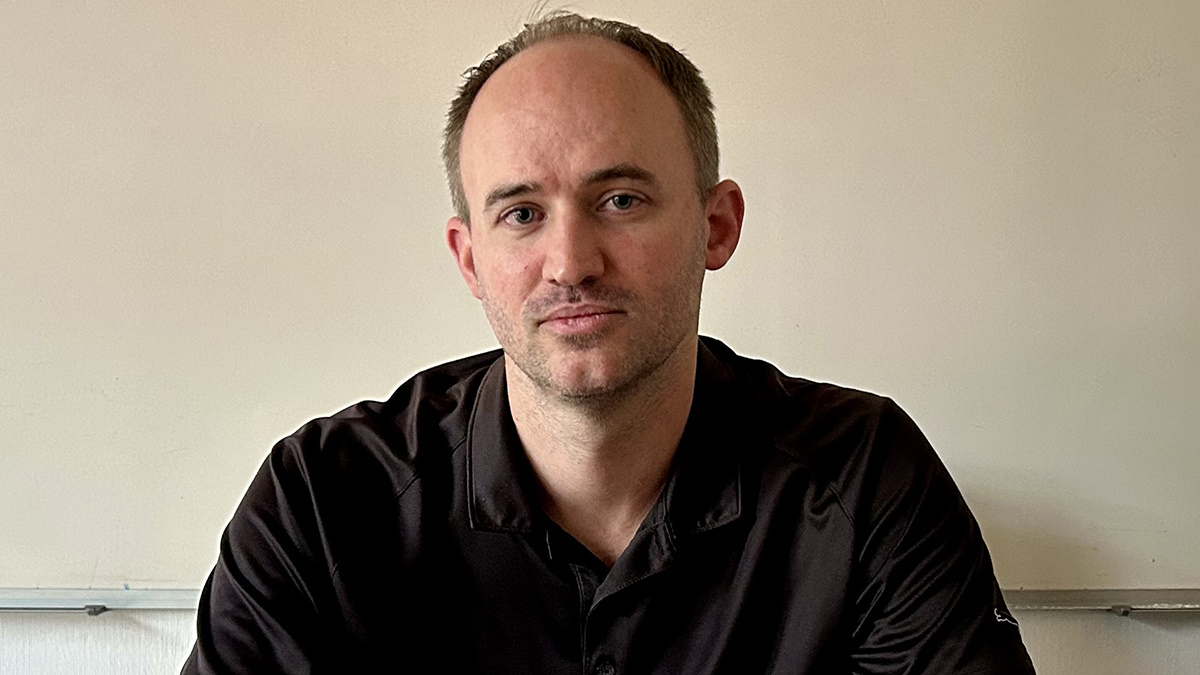
AI is revolutionising software development, but its professional results can trap businesses in overlooking crucial aspects, warns David Noakes, a software architect at Retro Rabbit/SmarTek21. Noakes cautions that while AI can speed up various stages, from specifications to testing, it lacks the human touch needed for nuanced judgments.
He explains that LLM-assisted documents can be produced with minimal input, appearing convincing but potentially missing critical business, customer, and regulatory specifics. The true value lies in discerning the right option, a skill that humans possess, not AI. Noakes highlights the importance of expert specifications, which may appear rushed but capture crucial nuances often overlooked by AI.
He stresses that AI accelerates the process but lacks the safety net of traditional, thorough development, which can lead to costly mistakes in regulated industries like insurance and banking. Despite the benefits of AI, Noakes insists that human expertise remains indispensable for harnessing AI effectively, ensuring quality and avoiding costly errors.
Retro Rabbit/SmarTek21, a leading African design and engineering consultancy, has integrated AI into its processes but emphasizes the critical role of human experience and skills.
Written by urgent.news from ITWeb's reporting — not their text. Machine-written — may contain errors; check the original before relying on it.