New Zealand prime minister proposes Australia-style social media ban
The proposal marks New Zealand as the latest country to mull such a law since Australia enacted its world-first under-16s social media ban in December 2025.
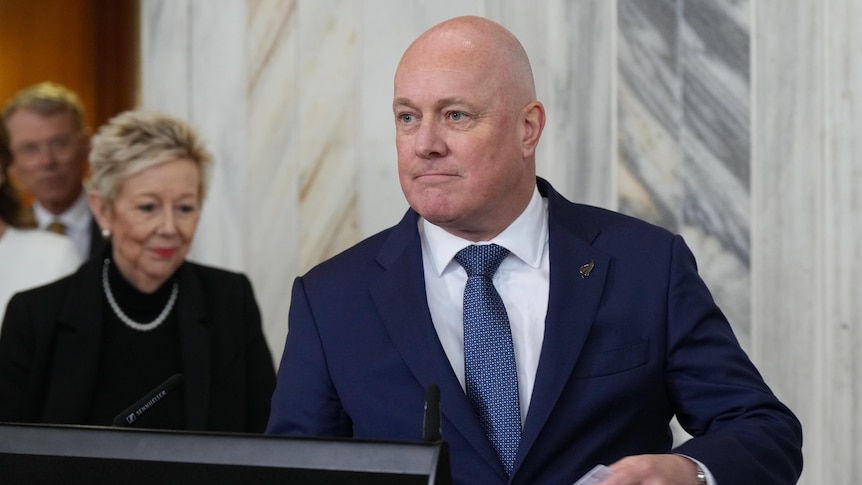
New Zealand Prime Minister Christopher Luxon has introduced a proposed law to ban children under the age of 16 from using social media platforms. This measure comes in response to concerns about the potential harm social media poses to young people, such as exposure to harmful content, addictive technology, and pressures they may not be equipped to handle.
Luxon emphasized that if re-elected in November, his conservative government would be the latest worldwide to implement such age restrictions, following Australia's world-first under-16s social media ban in December 2025. Research suggests that a third of New Zealand teenagers spend at least five hours a day on social media platforms, which can affect their family life, mental health, sleep, and education.
Platforms like Instagram, TikTok, Snapchat, and Facebook could face fines up to 10% of their global revenue for failing to verify users' ages, with potential penalties including the use of existing account information, facial age estimation, digital ID services, and formal ID. However, parents and children would not be penalized under the proposed bill.
Messaging platforms such as WhatsApp, online gaming platforms like Roblox, and AI apps with productivity uses like ChatGPT, Gemini, and Copilot would be exempt from the proposed law. Luxon's government has considered this legislation since Australia's ban for under-16s took effect in December 2025. Notable countries that have enacted similar bans include Canada, Brazil, and Indonesia, while many others are studying or developing such laws.
While child safety advocates and some parents support age restrictions, privacy groups argue that the rules can be circumvented and that requiring identification raises privacy concerns. Critics from other parties in New Zealand's government have opposed the proposed law, and it is unlikely to pass before the country's general election in November, scheduled for October 1.
Written by urgent.news from ABC News AU's reporting — not their text. Machine-written — may contain errors; check the original before relying on it.