Neem Karoli Baba's guidance on daily practice
Neem Karoli Baba, a revered guru, taught about consciousness beyond the physical form. He explained that the soul is subtle and the human body is the perceived large form. This perspective helps reduce fear and insecurity by recognizing an inner essence. His teachings encourage identifying with awareness rather than just physical attributes. This wisdom remains relevant for individuals seeking a…
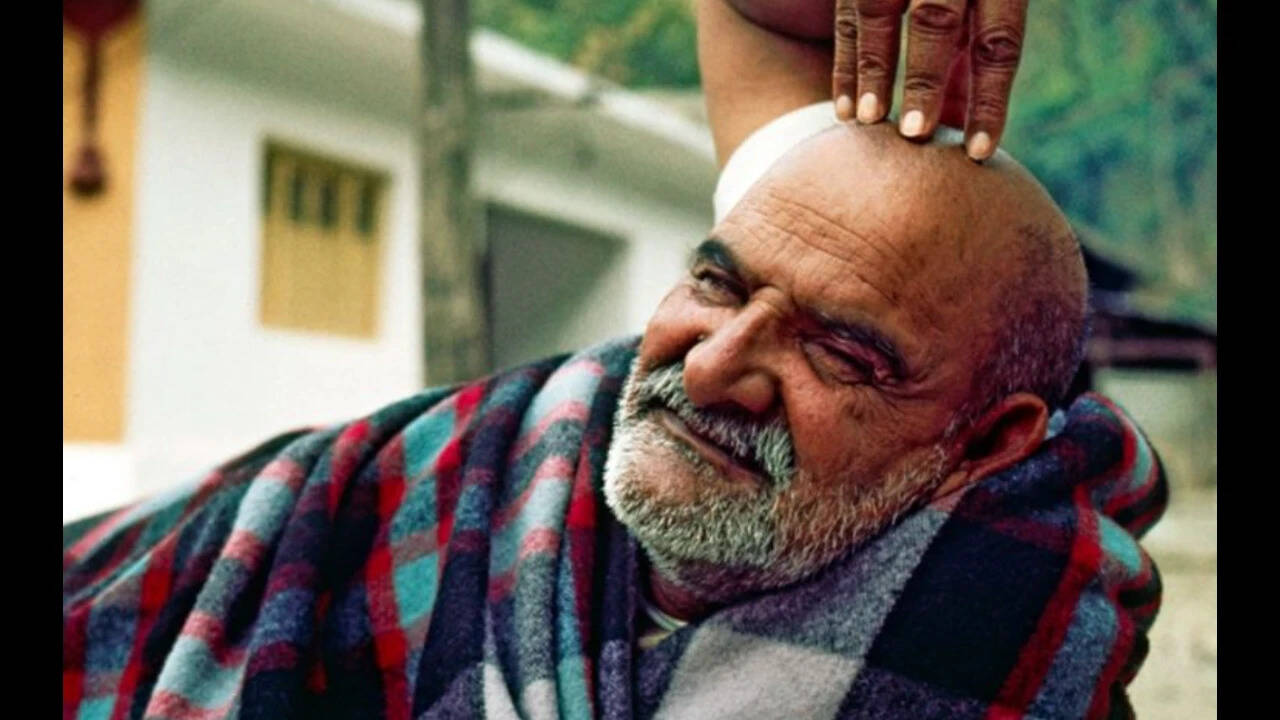
Neem Karoli Baba, a revered Hindu guru known as Maharajji, guided numerous influential figures worldwide, including Apple co-founder Steve Jobs and Harvard psychologist Ram Dass. Baba often emphasized that the world perceives truth through tangible experiences, urging followers to transcend physical limitations and explore a deeper reality where consciousness exists beyond the confines of the physical body.
In his teachings, Baba invites us to question our identity. Are we merely our bodies, or do we possess an inner essence that transcends physical form? He invites us to ponder whether our true selves are confined to our physical bodies or if there exists something greater, freer, and more connected to the universe.
One of Baba's most intriguing quotes highlights the contrast between the soul and the human body. He suggests that the soul is "small" while the body is "huge." To grasp this concept, we must recognize that the soul represents the core essence of a being, which is pure consciousness, awareness, or love. This essence is subtle, formless, and beyond the limitations of measurement.
In contrast, the human body encompasses our visible identity, including our name, face, history, roles, and appearances. The body feels immense because we place significant importance on its story and form.
For "great sadhus," or enlightened individuals, the concept of being confined to a single physical form dissolves. They no longer identify themselves solely by their physical appearance. Instead, these enlightened beings are considered omnipresent, meaning their presence extends beyond the boundaries of the physical body. This omnipresence is expressed through their love, teachings, and the sanctity of the places they touch.
Baba's teachings are particularly relevant in today's world. When we over-identify with our physical bodies, we become vulnerable to fear, comparison, and insecurity. The quote encourages us to remember that there is a "small form" within us, which is not limited by our physical existence. By acknowledging this inner essence, we can reduce our attachment to material concerns and cultivate a deeper sense of inner peace and freedom.
To apply Baba's teachings in our daily lives, we can start by sitting quietly and reflecting on the idea that we are more than our bodies. We can remind ourselves that our true nature is the awareness that perceives this body. By treating our bodies with respect while recognizing that they are not our entire identity, we can foster a greater sense of inner balance and freedom.
Written by urgent.news from Times of India's reporting — not their text. Machine-written — may contain errors; check the original before relying on it.