Nasa prepares for post-ISS era as commercial space stations reshape astronaut training
NASA's Johnson Space Center is gearing up for a future beyond the International Space Station (ISS), as private companies take the lead in developing commercial space stations for low Earth orbit. The ISS is projected to remain operational until around 2030, although it could stay in orbit longer at the direction of Congress. Meanwhile, NASA is collaborating with private entities to establish destinations in low Earth orbit, necessitating a reevaluation of its astronaut training facilities and operational expertise.
NASA's Commercial Low Earth Orbit Destinations (CLD) program aims to secure private space stations in time for the ISS's retirement. In 2021, the agency granted early-stage contracts worth approximately $415 million to three teams: Nanoracks, Blue Origin, and Northrop Grumman. Northrop Grumman subsequently opted to join Voyager Space's Starlab project instead of pursuing an independent CLD station development.
Beyond these companies, entities like Vast Space are constructing their own station modules, while other commercial groups are focusing on future orbital destinations. Despite this shift, NASA intends to maintain its role in human spaceflight operations, offering expertise and support to private operators.
The Mission Control facility at Johnson Space Center will continue to serve as a pivotal example of this expertise. Housing dedicated control rooms for various missions, including ISS operations, Artemis missions, and Boeing's Starliner, the facility monitors astronauts, spacecraft systems, and communications. Mission Control will adapt to the needs of future mission control centers, with specialists in propulsion, communications, and computers required, drawing on NASA's existing expertise across these disciplines.
Another critical aspect of this transition is the Space Vehicle Mockup Facility (Building 9). Increasingly used by both NASA and private spaceflight companies, the facility facilitates astronaut training for emergencies such as fires and medical situations, including performing procedures in microgravity. Hardware from companies like SpaceX, Blue Origin, and the Starlab Space consortium has been housed there, alongside a mock-up associated with the Starlab Space consortium.
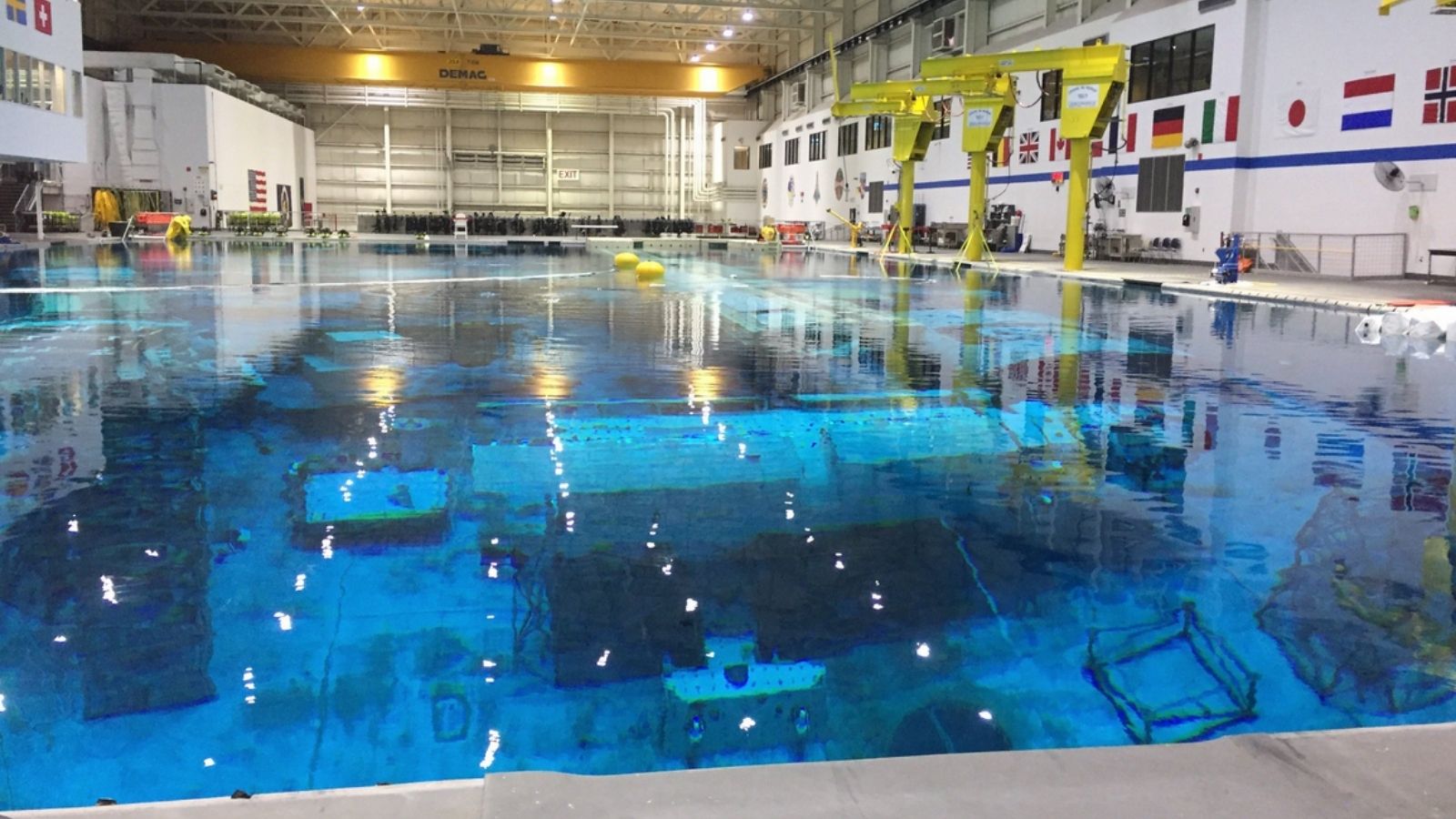
As NASA prepares to become a customer of future commercial stations, it anticipates private-sector hardware and training activities moving into facilities like Building 9. The Neutral Buoyancy Laboratory (NBL) remains a central element of astronaut training, where astronauts practice spacewalks underwater wearing adapted spacesuits.
Mock-ups of ISS modules and spacecraft are used to rehearse operations and emergencies, including scenarios such as spacecraft landing in different positions in the water. Private companies already utilize the NBL for activities like spacesuit testing, and NASA anticipates expanding commercial services at the facility as the ISS era concludes, although its current spare capacity is largely occupied by the US Navy.
As the ISS era comes to an end, NASA's Houston facilities are transforming from a government-centric training and operations center into a hub for supporting NASA, international astronauts, and a burgeoning commercial space industry.
Written by urgent.news from The Indian Express's reporting — not their text. Machine-written — may contain errors; check the original before relying on it.