A climate novel imagined a heat wave killing 20 million people—scientists say an ‘extreme of extremes’ is no longer fiction
Decades of accumulated emissions are loading the atmosphere for larger heat waves, floods, fires and droughts
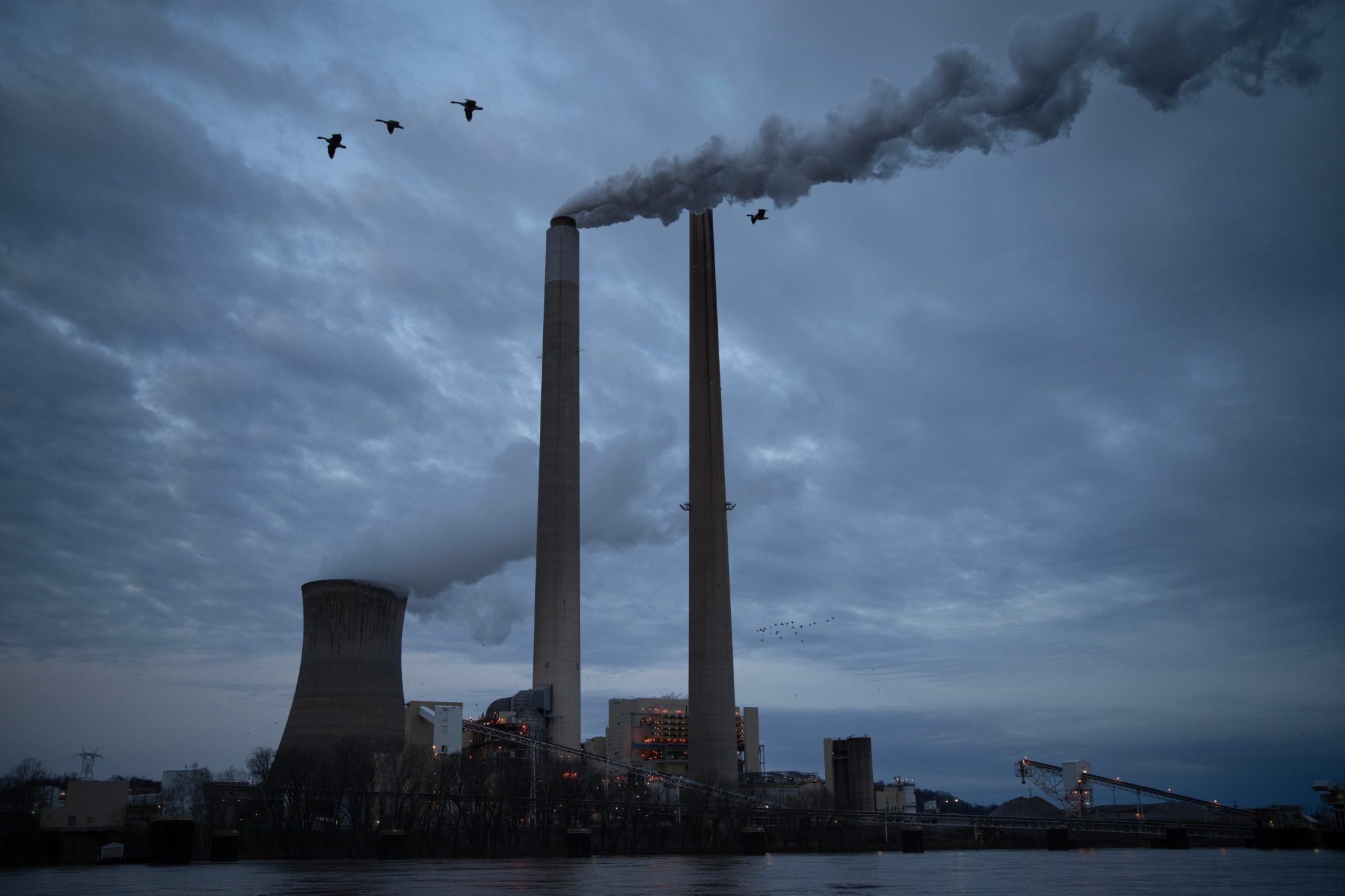
In Kim Stanley Robinson's novel "The Ministry for the Future," a heat wave in India, coupled with an electrical grid failure, results in the deaths of 20 million people. This catastrophic event prompts nations to collaborate in addressing climate change.
Scientists have long predicted that extreme weather events like heat waves, storms, floods, and droughts will become more intense. However, the potential for such an "extreme of extremes" or "Other Big One" was once considered purely fictional. Climate scientist Daniel Swain from the California Institute for Water Resources warns that people may dismiss such warnings, akin to the "Boy Who Cried Wolf" tale.
The risks have been known for over 150 years, starting with amateur scientist Eunice Newton Foote's experiments in the 1850s.
Since the early 1800s, Earth's average global temperature has risen by 1.44 degrees Celsius (2.59 degrees Fahrenheit) due to the release of massive amounts of greenhouse gases. This increase leads to more frequent and intense extreme weather events. The United States, which has released the most greenhouse gases, has not made significant efforts to combat climate change.
Numerous countries and major companies have set net-zero targets for 2050 or beyond. However, carbon dioxide remains in the atmosphere for hundreds of years, and the damage could take centuries to reverse. Even if the world could immediately reach net zero, the effects of climate change would persist.
Robinson's book, published in 2020, includes a chapter on wildfires, which have become larger and more destructive. While the potential heat disaster in India may be less likely today due to reduced reliance on the grid and increased use of solar power, the risks of catastrophe have increased. Climate scientist Sarah Perkins-Kirkpatrick compares the situation to the frog in boiling water, stating that people may become accustomed to extreme weather events without realizing the consequences.
The book highlights a common human response to extreme events: avoidance. While scientists face challenges in discussing potential catastrophes, they can liken the risk to smoking and lung cancer, emphasizing that the probability of massive extreme events rises with every tenth of a degree. This comparison underscores the importance of addressing climate change, despite the difficulties in predicting specific events.
Written by urgent.news from Fortune's reporting — not their text. Machine-written — may contain errors; check the original before relying on it.