Misjudging personal space drives the need for distance in socially anxious people
A new virtual-reality study upends assumptions about social anxiety and personal space. Researchers found that highly anxious people only keep a greater physical distance from others when they incorrectly perceive themselves as standing too close.
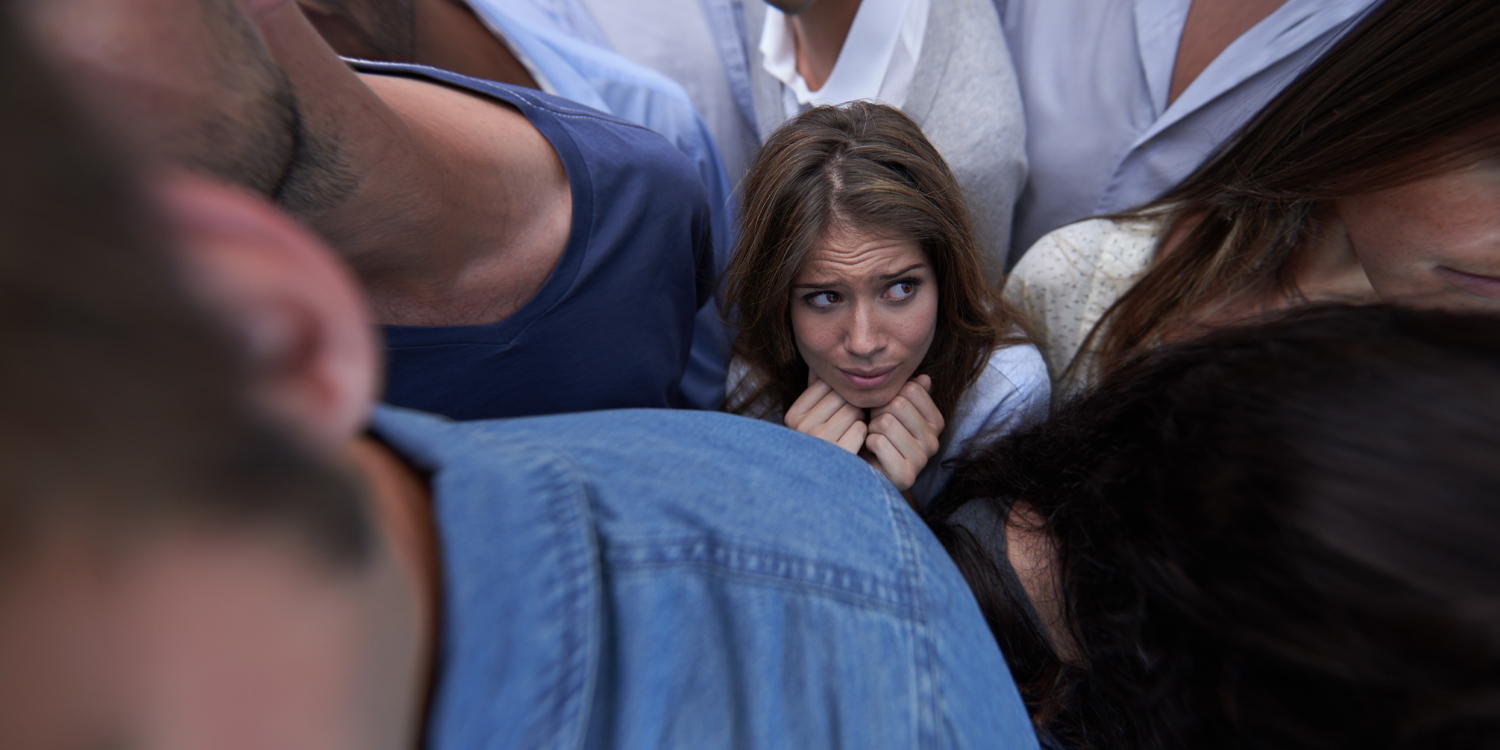
A recent study explored the connection between social anxiety and personal space perception. Published in the Journal of Psychiatric Research, the research, led by Stefania Bucur at Radboud University in the Netherlands, involved 106 adults using a virtual-reality café setting. The team recorded participants' approach speed and distance to virtual groups, without informing them that distance was the primary measure.
Despite initial expectations, higher social-anxiety scores did not directly translate into slower walking or greater physical distance from others. However, the findings revealed a nuanced relationship between anxiety and personal space perception. Participants who underestimated their distance to the virtual group tended to maintain more space, especially when their underestimation was significant.
The study suggests that social anxiety influences interpersonal distance only when individuals consistently underestimate the space between themselves and others. This misjudgment may alter how those with high social anxiety react in social situations, potentially affecting how others respond during interactions. However, the study acknowledges limitations, such as the virtual environment not fully capturing the complexity of real-life social fears and the impact of trial structure on participant responses.
Written by urgent.news from PsyPost's reporting — not their text. Machine-written — may contain errors; check the original before relying on it.