A Missed Psychiatric Medication Should Not Become Another Disaster
(MedPage Today) -- When people talk about emergency preparation, we hear the same list again and again: water, canned food, flashlight, batteries, and important documents. Those things matter. But for many people living with mental illness, one...
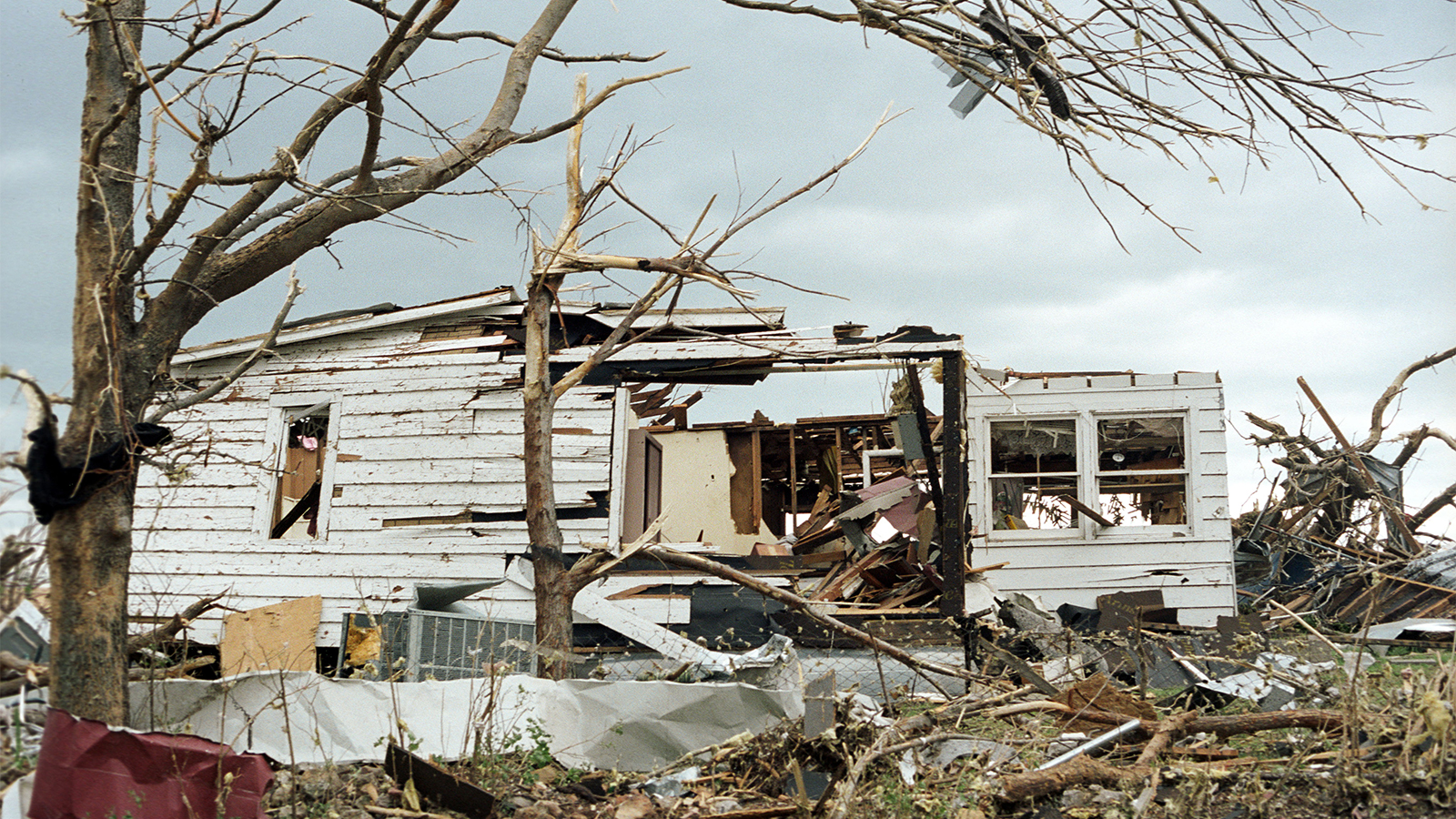
Emergency preparedness plans often include essentials like water, non-perishable food, flashlights, batteries, and important paperwork. However, for individuals coping with mental illness, one crucial item frequently goes overlooked: psychiatric medication. Natural disasters such as floods, wildfires, tornadoes, heatwaves, and power outages can disrupt pharmacies, phone service, clinic appointments, and force individuals to leave their homes without adequate medication.
For those battling bipolar disorder, schizophrenia, severe depression, PTSD, or anxiety, this lapse is more than an inconvenience; it poses a severe risk to their health.
As a psychiatrist resident, I have witnessed firsthand how vital steady medication routines are for mental well-being. Patients maintain their health not in spite of challenges, but because of consistent treatment - regular medication intake, adequate sleep, consistent therapy sessions, and clear understanding of when to seek help.
When disaster strikes, these routines are shattered. Let me share a recent case that left a lasting impression on me. A patient lost nearly everything in a storm and their experience prompted a critical inquiry - are we adequately considering the mental health needs of those planning for disasters?
Often, the answer seems to be no. A medication prescription becomes useless if the pharmacy is shut down. Follow-up appointments are rendered ineffective if there is no phone service, no transportation, and no safe place to rest. A safety plan loses its effectiveness if no one knows how the patient will maintain their medication supply when the surrounding support system fails.
With climate change leading to increased heat emergencies, stronger storms, poorer air quality, and sudden disruptions, we cannot afford to ignore this issue any longer.
The impact of disasters varies greatly depending on resources. Wealthy individuals can evacuate early, stay in a hotel, have early prescription refills, or switch pharmacies. However, for those living from paycheck to paycheck, this may not be an option. Unhoused individuals may lose their sole source of medication. People with limited English proficiency may miss crucial evacuation instructions. And those with unreliable transportation can quickly become isolated from care.
To address this, psychiatric medication continuity should be an integral part of every emergency plan. While we shouldn't suggest stockpiling pills or disregarding medication safety, a proactive approach is essential. Clinics should identify patients at higher risk during treatment interruptions - such as those with severe mental illness, those on medications that cannot be abruptly stopped, individuals with limited support, those without housing, and those struggling to attend appointments.
Clinicians must discuss emergency refill procedures with patients, ensuring they have a documented list of medications, doses, allergies, contact details for prescribers, and pharmacy information. This crucial information should not be confined to online portals, as the internet may fail during a disaster.
Collaboration among hospitals, clinics, pharmacies, and public health departments is also crucial. Emergency refill rules, alternative pharmacy options, emergency telehealth lines, and outreach efforts for patients who suddenly drop out of care are all vital components. We have contingency plans for essential treatments like oxygen, dialysis, insulin, and other life-sustaining therapies. It is high time mental health treatment received similar attention.
Lastly, this issue is deeply tied to health equity. Those most likely to lose access during disasters are often the same groups already facing significant challenges - poverty, unstable housing, language barriers, disability, and limited family support. We must not wait for the next disaster to learn this lesson once again. By asking the simple question, "If this patient is cut off from us for a week, what happens?", each clinic can begin to prevent potential psychiatric crises in the aftermath of future disasters.
Written by urgent.news from MedPage Today's reporting — not their text. Machine-written — may contain errors; check the original before relying on it.