Malaysia’s new airline needs 15 aircraft to reach profitability
Malaysia’s new airline AirBorneo Airways expects to need a fleet of up to 15 aircraft to reach commercial profitability as the carrier expands its flight frequencies and destinations over the next five years.
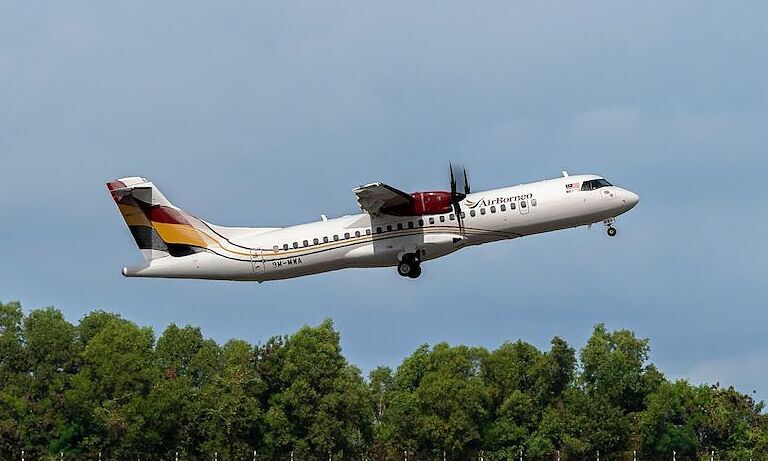
Malaysia's new airline, AirBorneo, aims to reach profitability with around 15 aircraft, according to Chief Executive Officer Megat Ardian Aminuddin. He noted that a smaller fleet of two, five or seven aircraft would not provide enough scale. The airline plans to operate 17 jet aircraft by the end of 2030, starting with wet-leased Boeing 737-800s and introducing dry-leased aircraft from 2028.
AirBorneo's profitability depends on factors like aircraft entry into service, passenger demand, fuel prices, and market conditions. The airline, which began operations in July, offers services linking Kuching with Kuala Lumpur and Singapore. Megat explained that AirBorneo's state ownership and the network developed around Sarawak's connectivity needs differentiate it from other airline start-ups.
The Sarawak government has allocated funding for the airline's working capital, operating expenditure, and capital expenditure. AirBorneo now handles services previously run by Malaysia Aviation Group subsidiary MASwings, including Rural Air Services across Sarawak, Sabah, and Labuan. The airline's network is designed to support Sarawakians' travel and attract visitors for tourism, investment, business, medical tourism, and education.
Written by urgent.news from VnExpress Business's reporting — not their text. Machine-written — may contain errors; check the original before relying on it.