Living with drought has taught pastoralists lessons the world needs
Half a billion pastoralists draw on generations of knowledge to thrive on rangelands. They say protecting their way of life would help others prepare for a hotter, drier world.
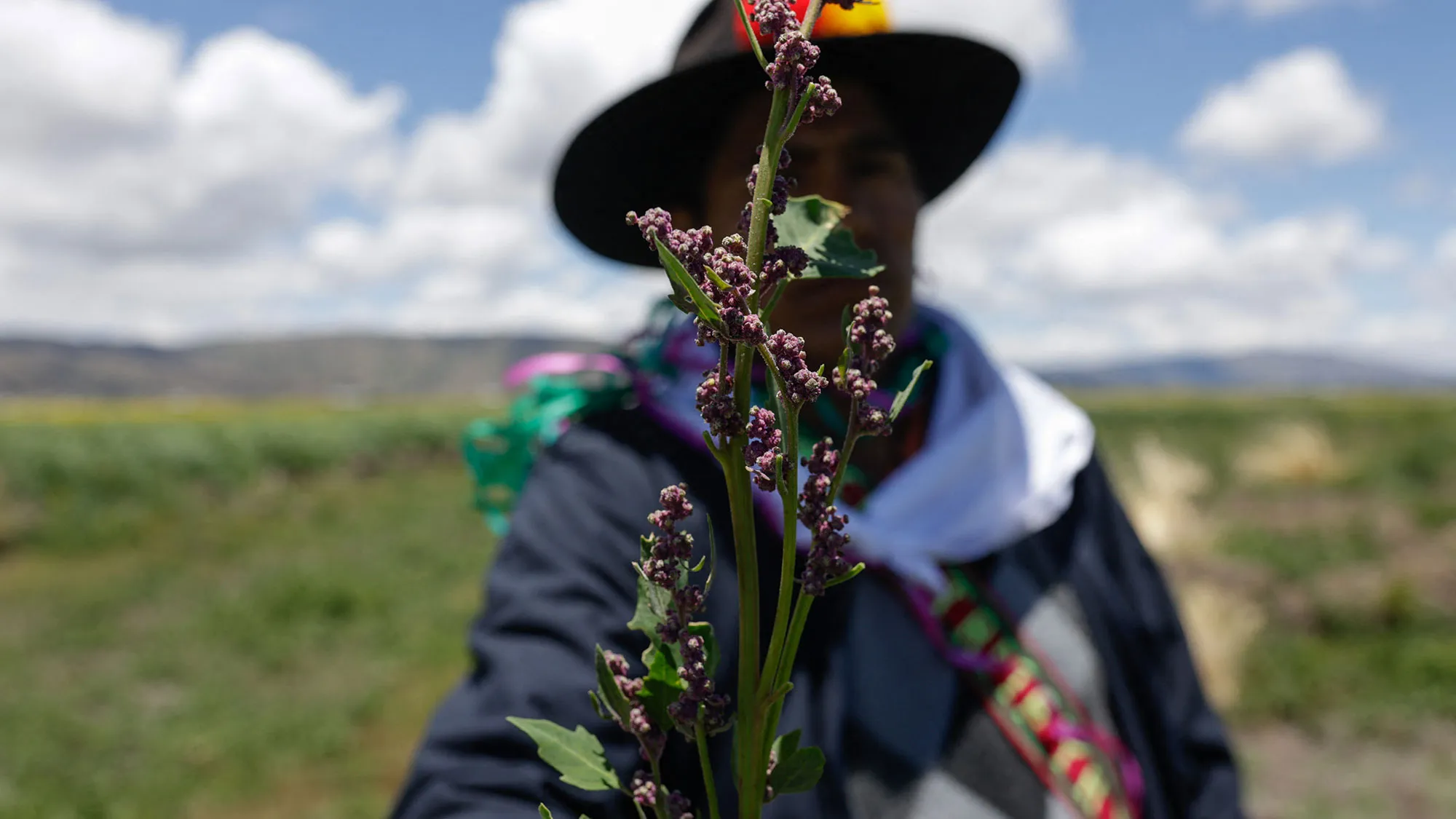
For generations, the Maasai people of northeast Tanzania have relied on cattle herding as a central part of their identity and livelihood. However, recent droughts have forced them to sell their animals and adopt goats, which are more resilient to dry conditions but hold less cultural and financial value. This shift has been a challenge to their way of life, as it threatens their sense of identity and the very foundation of their community.
Pastoralists, a term encompassing roughly 500 million people who tend livestock globally, face severe threats from climate change and desertification. These conditions are occurring at 30 to 35 times the historical rate, particularly impacting rangelands that cover half the planet's landmass. In addition to drought and land degradation, pastoralists encounter invasive species, extractive industries, and the influx of tourists, all of which exacerbate their challenges.
In response to these crises, hundreds of Maasai pastoralists have convened in Mongolia for the United Nations Convention to Combat Desertification (UNCCD). They are advocating for stronger protections for Indigenous pastoral traditions, increased funding and resources to combat desertification, and official recognition of the value of generations of experience on marginal lands.
These efforts aim to demonstrate that the knowledge and resilience of Indigenous pastoralists can offer valuable lessons for adapting to a hotter, drier world.
Despite the growing recognition of the issue, the global environmental movement has often overlooked the significance of rangelands and the people who manage them. While previous international conferences have focused on climate change, biodiversity loss, and desertification, funding and attention have primarily flowed toward the former two problems.
However, desertification is now recognized as a concern for developed countries as well, particularly in regions like Spain, France, and Sweden, which are experiencing unprecedented droughts.
This year's UNCCD meeting is unique as it marks the first time a formal caucus for Indigenous peoples has been established at a climate conference. This development provides a crucial opportunity for Indigenous pastoralists to advocate for their rights and secure their future on the international stage. However, some attendees have expressed concerns that, despite increased attention, the Indigenous caucus may still face resistance and be marginalized due to a lack of political will and financial support.
Written by urgent.news from Grist's reporting — not their text. Machine-written — may contain errors; check the original before relying on it.
This story
This is one outlet's version. Read the fullest account.