Less testing was a choice, so is the future
A thirty-year silence from nuclear testing was not an accident of history—it was a fragile choice that the world must urgently choose to keep.
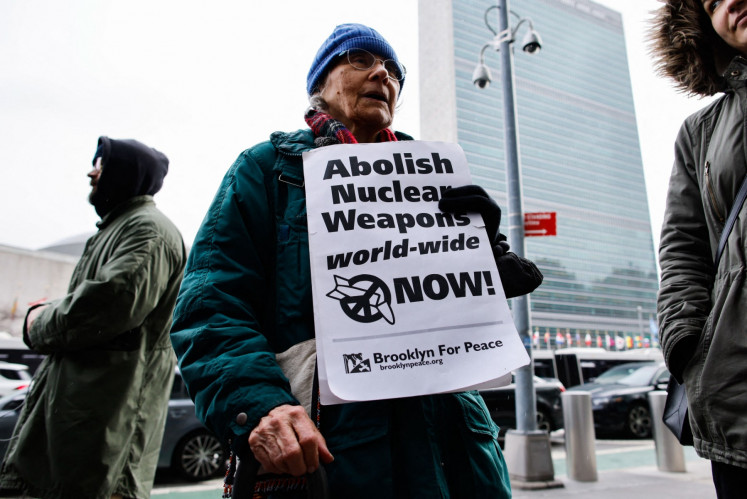
The world has maintained a 30-year silence regarding nuclear testing, a decision that governments must urgently reconsider. Each nuclear test brings the global community closer to catastrophe, with the risk not stemming from a single action but the cumulative effect of multiple explosions. The International Day against Nuclear Tests serves as a reminder of the ongoing dangers and the annual choices faced by governments.
The Semipalatinsk test site, which once experienced frequent seismic activity, has now returned to tranquility, marking the broader shift away from nuclear testing since the closure of the facility 35 years ago. The Comprehensive Nuclear-Test-Ban Treaty (CTBT) opened for signature in 1996, leading to fewer than a dozen tests since its inception, a decision made by governments, not dictated by historical events.
This choice is not immutable; it can be altered year after year. The International Monitoring System, comprising over 300 monitoring stations and laboratories in 90-plus countries, is vigilant, capable of detecting even the smallest nuclear explosion, equivalent to 500 tonnes of TNT. This system verifies compliance, ensuring that peace is not merely an ideal but a construct that requires constant maintenance and verification through global cooperation.
Written by urgent.news from The Jakarta Post Academia's reporting — not their text. Machine-written — may contain errors; check the original before relying on it.
This story
This is one outlet's version. Read the fullest account.
- Less testing was a choice. So is the future koreatimes.co.kr
- Less testing was a choice, so is the future thejakartapost.com