Iran’s rial drops to record low as U.S. readies more sanctions
Iran ’s currency hit a record low Monday as Washington prepared to announce new sanctions it said would put more pressure on an economy already battered by previous sanctions and a U.S. naval blockade. The rial dropped to 2.02 million to the U.S. dollar as trading opened on currency markets. Iran’s official Central Bank rate stood at around 1.5 million rial to the dollar, but the market rate is…
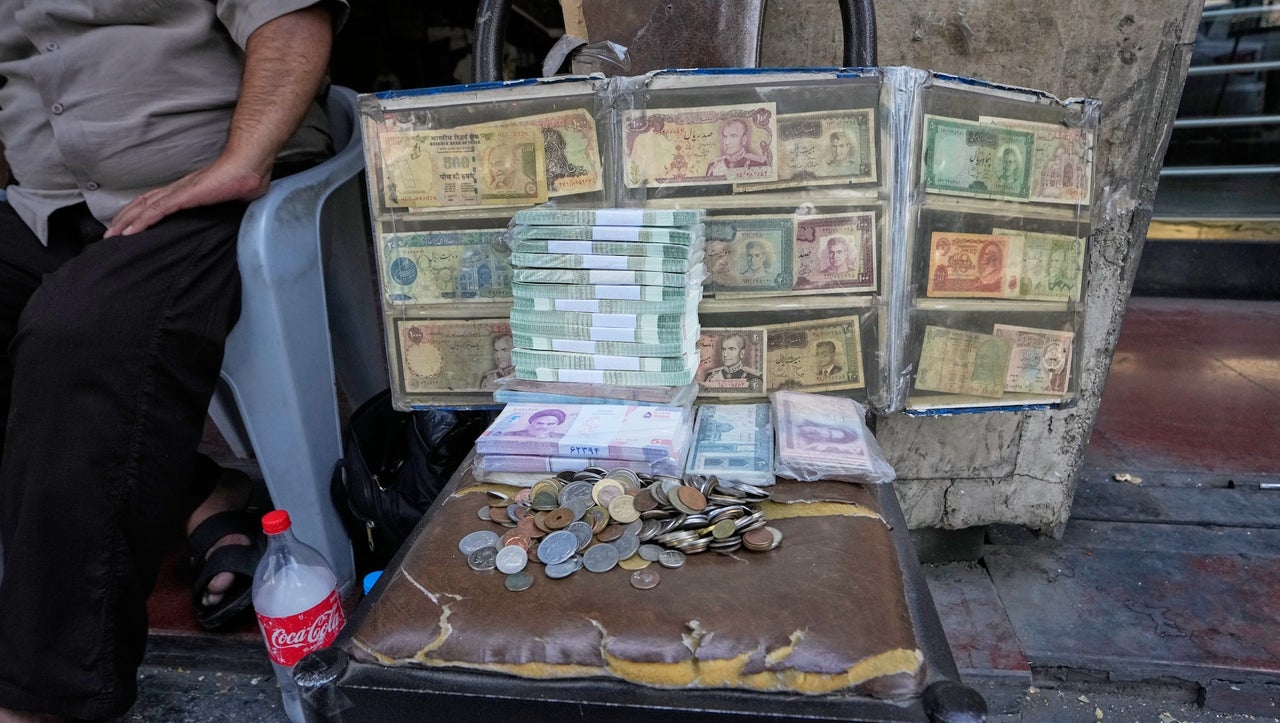
Iran's currency, the rial, plummeted to a record low of 2.02 million per U.S. dollar on Monday as the United States prepared to impose additional sanctions, according to market data. The official rate quoted by the Central Bank was around 1.5 million rials to the dollar, but the market rate was the one Iranians experienced daily.
The currency had already been under strain following the U.S. and Israel's strikes on Iran on February 28, as the nation confronted double-digit inflation and negative growth. The economic turmoil has intensified with the ongoing six-month-long conflict, with the rial hitting new lows as essential goods like rice and beef saw soaring prices.
The International Monetary Fund predicts that Iran's gross domestic product will shrink by more than 5% due to the sanctions. Despite this, Iran retains a strategic advantage, as its attacks and threats on ships in the Strait of Hormuz have halted traffic, damaging the global economy and pressuring U.S. President Donald Trump ahead of the upcoming elections.
Iran is now in a standoff with Oman over management of the strait, through which a fifth of the world’s traded oil passes. The U.S. administration is expected to announce stronger sanctions on Monday, including secondary sanctions on countries doing business with Iran. Trump's administration hopes these measures will force Iran to reconsider its policy.
Meanwhile, Iranian officials warned of severe consequences should the situation escalate further. In Tehran, residents like 73-year-old Sadegh Mahmoudi expressed little hope for an end to the conflict, as he purchased U.S. dollars to protect his savings from potential further devaluation.
Written by urgent.news from Fast Company's reporting — not their text. Machine-written — may contain errors; check the original before relying on it.
Also reported by 10 other outlets
- India's Iran exports set to fall further due to Dubai halt, US sanctions brecorder.com
- Bessent unveils sanctions designed to cripple Iran axios.com
- China warns US against Iran trade sanctions dailytimes.com.pk
- Mexican Peso weakens as Iran sanctions offset Mexico’s inflation data fxstreet.com
- WATCH: Bessent announces new sanctions to block Iran's revenue streams pbs.org
- India's Iran exports set to fall further due to Dubai halt, US sanctions jpost.com
- US sanctions on Iran trade unlikely to impact China, expert says english.ajel.sa
- Trump tries to fight Iran war with sanctions cbsnews.com
- and 2 more