'Instinct becomes the backup plan instead of the default': How marketers can beat data overload to make better decisions
I spoke to Tara Robertson from Bitly to get her insight into how marketers can better use their data
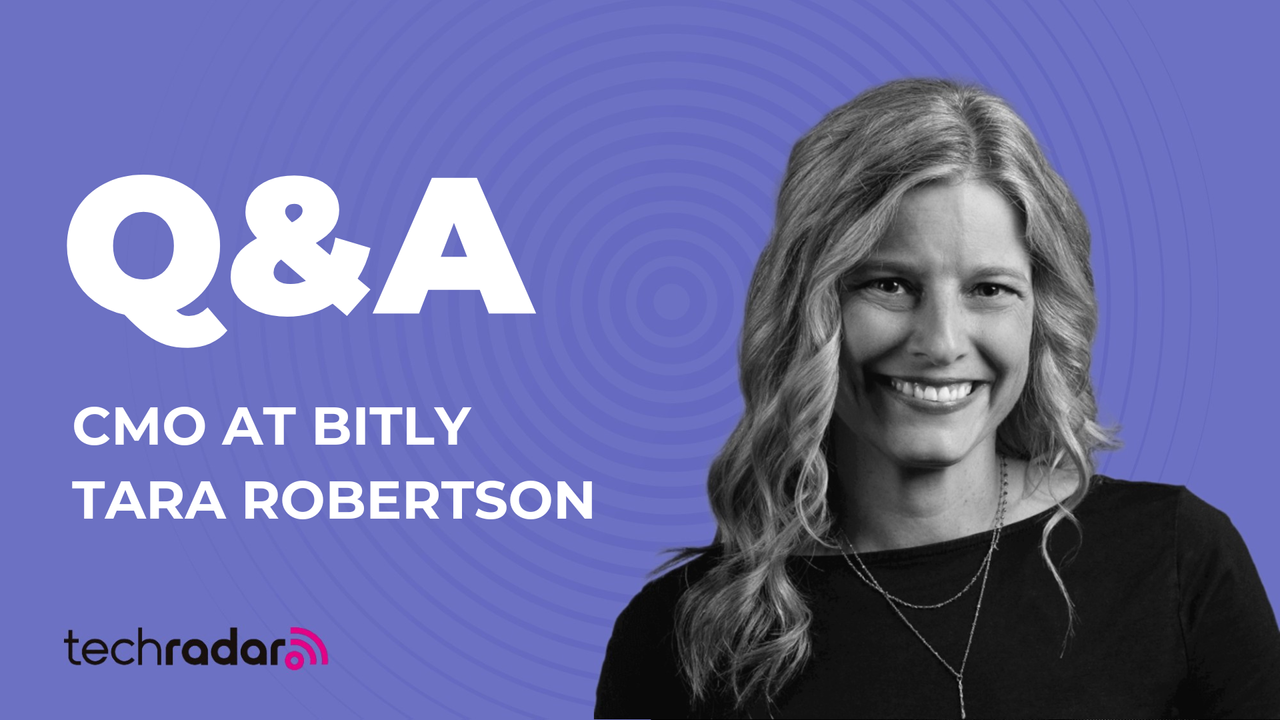
In the era of data overload, marketers face a dilemma: shifting from a data scarcity mindset to a data abundance challenge. Tara Robertson, Chief Marketing Officer at Bitly, shed light on how modern businesses can make sense of the massive amounts of data and make better decisions.
AI has significantly impacted the early stages of the customer journey, with consumers relying on AI tools and large language models (LLMs) for research and comparisons instead of traditional search results. This shift creates a larger "dark funnel," where the customer journey occurs in places that are difficult to measure. At the same time, visibility signals, such as high search engine rankings, are becoming less reliable due to AI Overviews providing instant answers without requiring a click.
Despite the abundance of data, 56% of marketers still rely on gut instincts to make decisions. This trend persists because marketers often struggle to integrate data from multiple tools, leading to fragmented insights. As a result, many teams rely on only one channel for performance measurement and make decisions based on past successes rather than current data.
One key issue is that marketers typically analyze data at the campaign level after the project is complete, often leading to missed opportunities for optimization. Tara Robertson recommended taking a proactive approach by analyzing interaction-level data in real-time. This allows for quicker adjustments and better agility. Setting check-in points during campaign building and using AI for data analysis were also suggested as effective strategies.
For small businesses with limited marketing teams, AI-enabled tools can help surface insights and guide decision-making. Tara Robertson advised small businesses to start small by asking AI assistants for weekly summaries of data changes, making it easier to understand what's going on without the need for manual analysis.
Written by urgent.news from TechRadar's reporting — not their text. Machine-written — may contain errors; check the original before relying on it.