India, Gulf bloc discuss next steps on free trade agreement
India and the Gulf Cooperation Council reviewed free trade agreement negotiations in Riyadh. Discussions focused on strengthening bilateral relations and regional developments. Both sides affirmed the importance of continued coordination for stability. The GCC is India's largest trading partner bloc by far. Bilateral trade reached USD 178.56 billion in 2024-25.
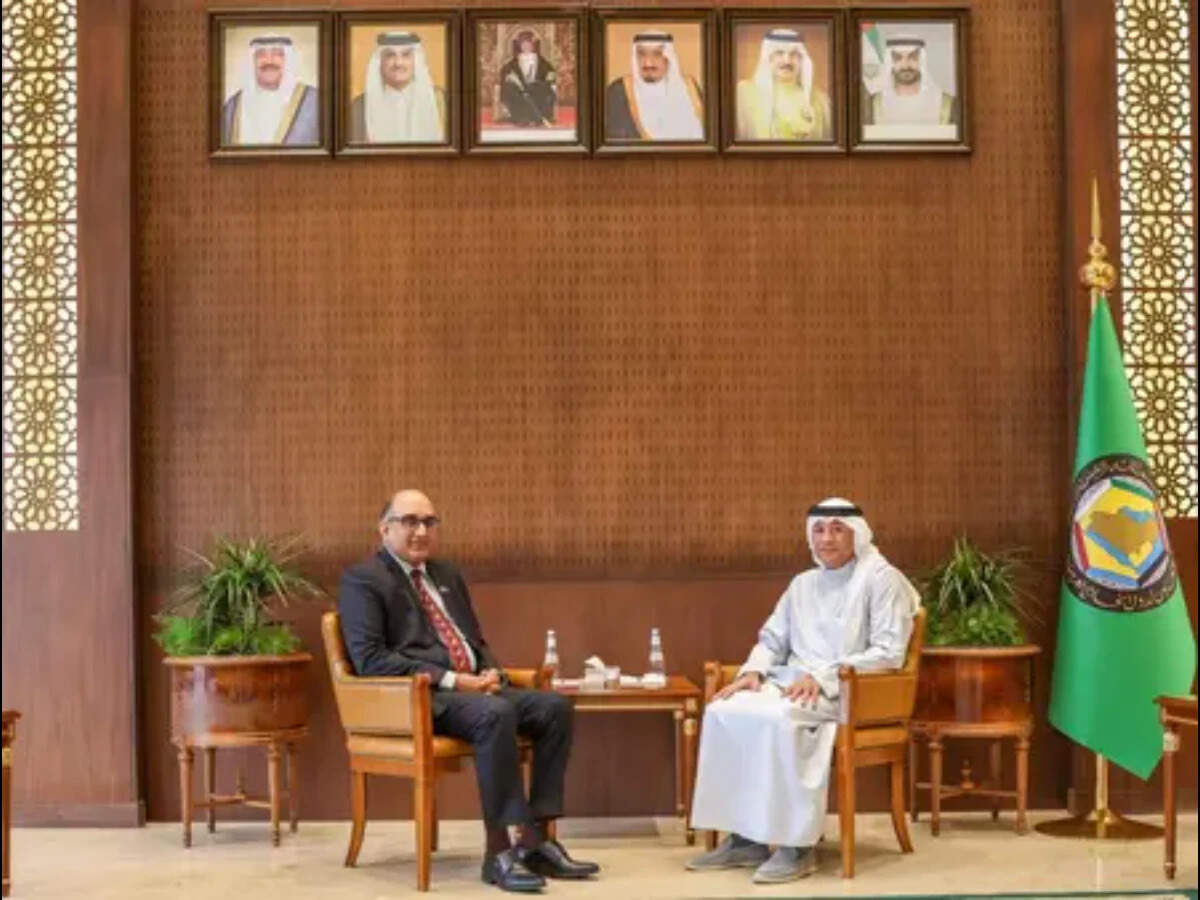
In a significant development, India and the Gulf Cooperation Council (GCC) discussed the next steps in their free trade agreement negotiations in Riyadh. The talks, held on Sunday, were led by India's ambassador to Saudi Arabia, Vipul, and the GCC secretary general, Jasem Mohamed Albudaiwi. Both sides emphasized the importance of strengthening their bilateral relations and reviewed preparations for a ministerial meeting scheduled for the following month.
The resumption of negotiations comes after a temporary halt in June due to the West Asia crisis. The GCC, consisting of Bahrain, Kuwait, Oman, Qatar, Saudi Arabia, and the UAE, aims to boost bilateral trade and investment through comprehensive agreements. India is the GCC's largest trading partner, with bilateral trade reaching USD 178.56 billion in 2024-25, accounting for 15.42% of India's global trade.
Key Indian exports to the GCC include engineering goods, rice, textiles, machinery, gems, and jewelry. Imports dominated by crude oil, LNG, petrochemicals, and gold. The GCC is also a significant source of investment for India, with cumulative investments exceeding USD 31.14 billion. This latest round of talks marks the resumption of negotiations that began in 2006 and 2008, before the GCC deferred discussions.
The GCC and India affirmed the importance of continued coordination and consultations on regional security and stability. They also discussed India-GCC cooperation, including the ongoing free trade agreement negotiations and strengthening high-level engagements.
Written by urgent.news from The Economic Times - Economy's reporting — not their text. Machine-written — may contain errors; check the original before relying on it.
This story
This is one outlet's version. Read the fullest account.
- India's semiconductor market seen reaching $155 billion by CY31, share of global consumption to rise to 9%: Report economictimes.indiatimes.com
- India, Gulf bloc discuss next steps on free trade agreement thehindu.com
- Sitharaman, Goyal and Agrawal to visit six countries as India steps up global trade outreach: What to expect? livemint.com