Half of Hong Kong’s public bodies omit emissions data, green group finds
Half of Hong Kong’s government departments and public bodies have not disclosed their greenhouse gas emissions data and some calculations have been based on outdated information, a green group has found. The findings from The Green Earth have prompted calls for stronger carbon reporting and the setting of reduction targets across the public sector to align with the city’s goal of achieving carbon…
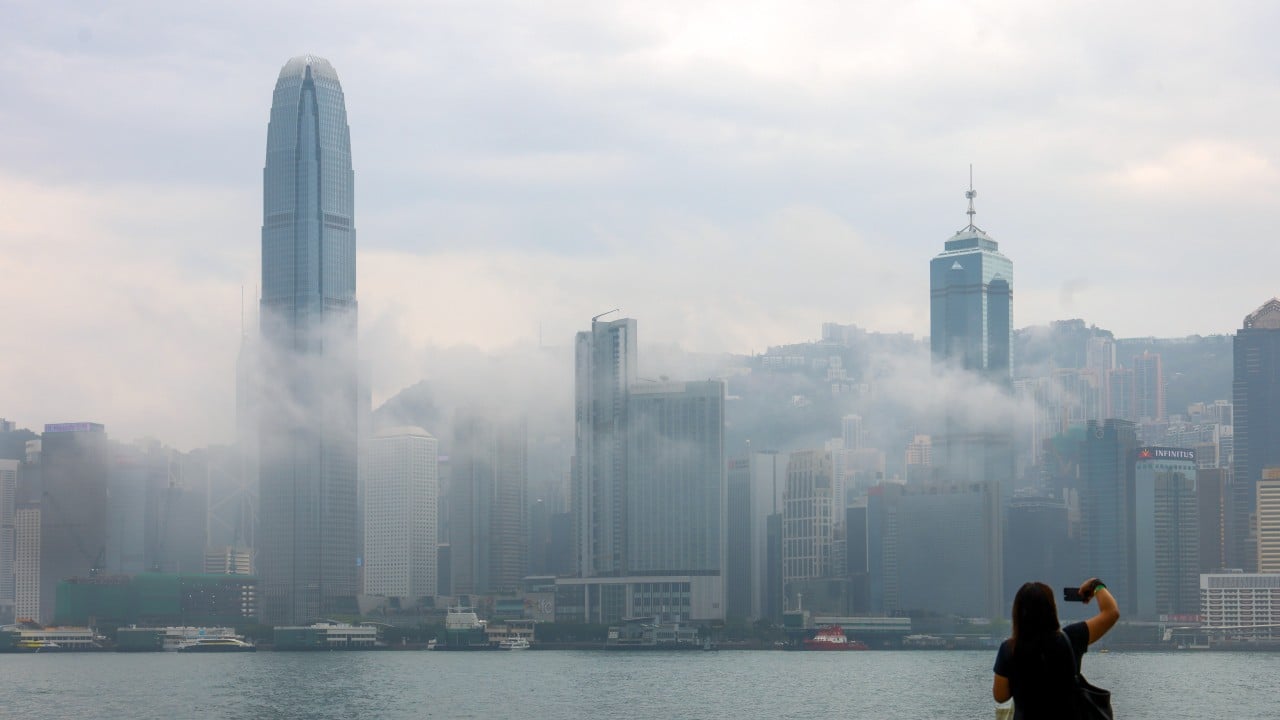
A Hong Kong green group discovered that half of the city's government departments and public bodies are not making their greenhouse gas emissions data public, a gap that could hinder their progress toward the city's 2050 carbon neutrality goal. The Green Earth, the non-profit organization that conducted the study, called for mandatory carbon reporting and the establishment of reduction targets across the public sector, aligning with the city's decarbonisation targets.
The Green Earth reviewed the annual reports of 82 public entities and found that only 41 of them published greenhouse gas emissions data, while 53 disclosed energy consumption figures. However, 8 of the entities relied on outdated emission factors, which could lead to overestimated emission reduction figures. Steven Chan Wing-kit, the group's assistant environmental affairs manager, emphasized that standardized disclosure of carbon emissions in a uniform format would enable progress tracking and help direct resources to departments with the most urgent reduction needs.
The government has set overall energy reduction goals and aims for carbon neutrality by 2050, but it does not mandate carbon reduction targets for all departments. While all major government buildings have undergone carbon audits since 2017, a clear definition of what constitutes a "major government building" has not been provided.
The group highlighted the need for a standardised format for data presentation and measurement units to avoid calculation errors and accurately reflect the results of energy-saving efforts. Eight government bodies were found to be using an outdated emission factor of 0.7kg of carbon per kilowatt-hour, a figure dating back to 2008.
This outdated factor has resulted in overestimated emission reduction figures. Hong Kong has updated its emission factor guidelines, and the city's utility providers, CLP Power and HK Electric, have been gradually replacing coal with natural gas, reducing their emission factors to 0.34kg/kWh and 0.59kg/kWh, respectively. The group's study did not name the departments that did not publish their emissions data, instead focusing on the overall carbon reporting situation.
Other cities, such as Singapore and South Korea, publish annual carbon emissions and energy usage for their government departments, allowing the public to monitor their decarbonisation progress, while mainland China has set reduction targets for public institutions.
Written by urgent.news from South China Morning Post's reporting — not their text. Machine-written — may contain errors; check the original before relying on it.
This story
This is one outlet's version. Read the fullest account.