Energy demand accelerating despite Iran war, Mitsubishi Power chief says
The Iran war has done little to cool energy demand despite the conflict snarling up global supply chains, Mitsubishi Power's chief executive for Europe, the Middle East and Africa has said. “It is quite the opposite. I would say things have accelerated,” Javier Cavada told The National . Mitsubishi Power is a wholly owned subsidiary of Mitsubushi Heavy Industries and aims to lead the energy…
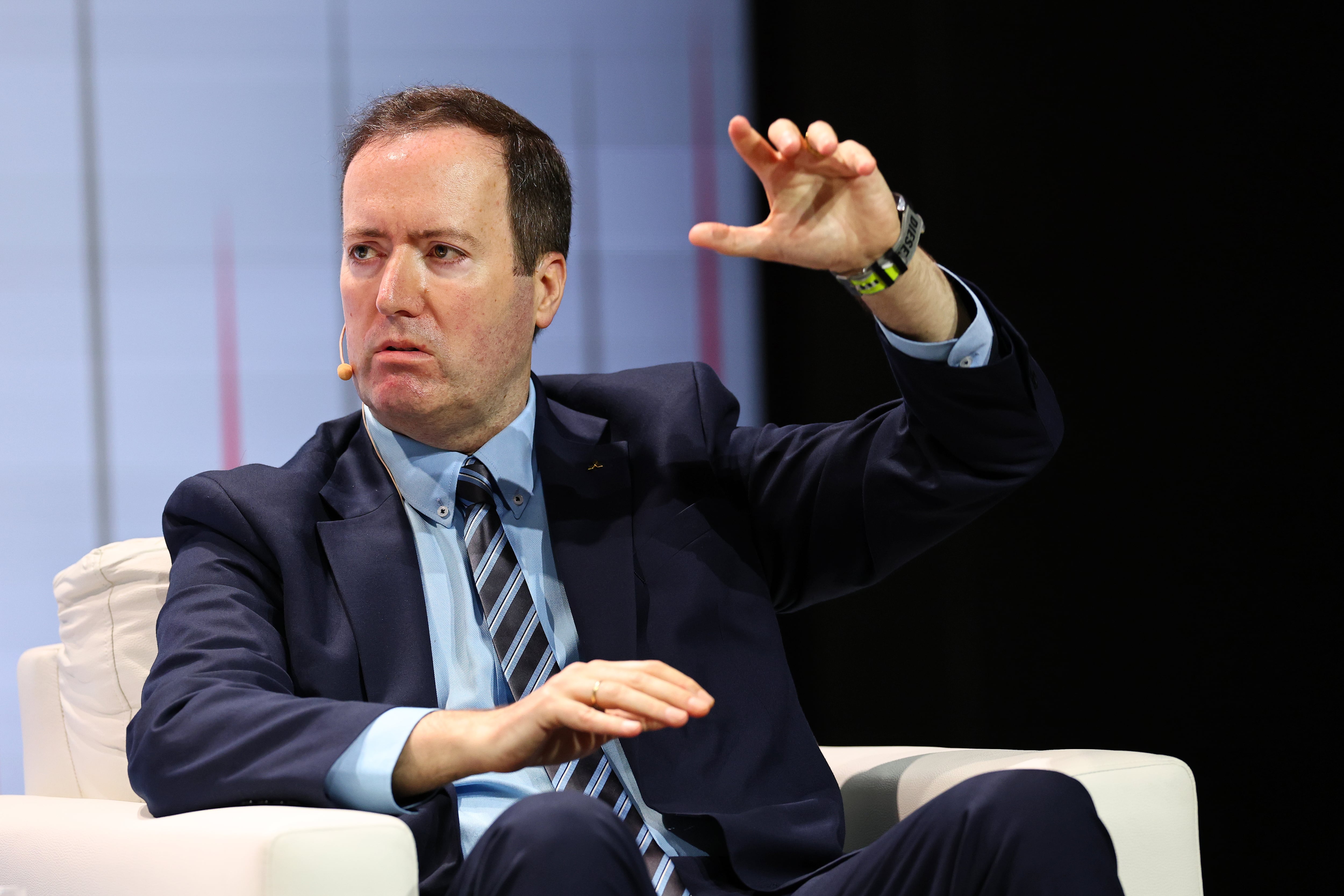
The Iran war has not dampened energy demand, in fact, it has accelerated according to Javier Cavada, Mitsubishi Power's CEO for Europe, the Middle East, and Africa. Speaking to The National, Cavada stated that the company has seen a surge in demand, contract signings, and negotiated bookings since the conflict commenced on February 28.
He believes this is a clear indication that the conflict will eventually end, allowing the business to grow further. Mitsubishi Power has been active in Saudi Arabia for six decades, recently opening a facility in Dammam to assemble heavy-duty gas turbines as part of the kingdom's Vision 2030 targets to reduce emissions. In January, the company secured an order to supply M701JAC gas turbines for a power and desalination project in Qatar, to be operational by 2028.
In the UAE, Mitsubishi Power maintains a significant services workshop. Cavada attributes the increased demand to the rise of AI, which he dubbed the "new kid on the block." According to McKinsey, global spending on data centers could exceed $7 trillion by 2030, with hyperscalers like AWS, Microsoft, Google, Meta, and Oracle projected to invest over $1 trillion in AI infrastructure this year.
This AI boom is driving the need for more thermal, nuclear, and storage capacity to support data centers, which are projected to consume twice the power and water by 2030. Despite the challenges posed by the Iran conflict, Cavada sees opportunities in the region's investments in gas, solar, wind, storage, and potentially nuclear energy to transition to a more flexible grid.
However, he acknowledges the need to balance these growth opportunities with the stress on supply chains and the talent required to manage these investments.
Written by urgent.news from The National Business's reporting — not their text. Machine-written — may contain errors; check the original before relying on it.
This story
This is one outlet's version. Read the fullest account.