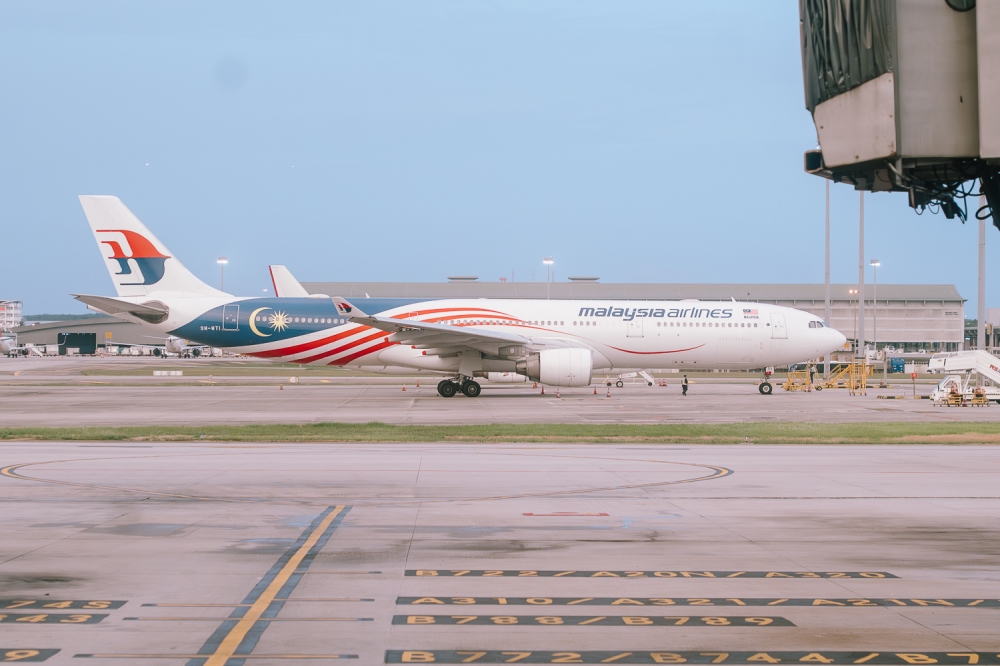
El Niño Sparks Panama Canal Cuts: What It Means for Americans
The Panama Canal sees about 40 percent of all U.S. container traffic, and a reduction in traffic could translate to higher costs.
Lower rainfall due to El Niño is expected to reduce the number of ships passing through the Panama Canal starting mid-September, according to the Panama Canal Authority. Currently, 36 ships transit the canal daily, but this number will be decreased by four, to 32 ships, with the reduction happening gradually beginning September 3.
The authority expects the impact on U.S. consumers to be minimal, as only a small fraction of global shipping - about 5 percent or 1,000 ships per month - passes through the canal. However, there is a chance that cargo owners facing higher shipping costs may pass these costs onto their customers. The Panama Canal, connecting the Atlantic and Pacific Oceans, handles a significant portion of U.S. container traffic and cargo moving towards U.S. ports.
Low water levels resulting from droughts and regional conflicts have led to record-high shipping rates, prompting potential shifts in shipping routes to mitigate costs. The Panama Canal Authority has been proactive in addressing drought conditions, implementing measures to maintain canal operations and prevent a significant reduction in capacity.
Written by urgent.news from Newsweek's reporting — not their text. Machine-written — may contain errors; check the original before relying on it.