Die Lage im Überblick: Iran warnt USA vor Wirtschaftskrieg - und droht Golfstaaten
Im Iran-Krieg wird aktuell nicht gekämpft. Washington will Teheran wirtschaftlich in die Knie zwingen. Der Iran gibt sich selbstbewusst - und droht den USA und ihren Verbündeten mit Konsequenzen.
Iran has warned the United States against a looming economic war and threatened Gulf states. Parliament speaker Mohammed Bagher Ghalibaf shared a comic on X which suggested that intensified sanctions against Iran would hit the US like a boomerang. National security council chief Mohsen Resai also warned neighboring oil-rich nations that they would be considered enemies if they joined Washington's efforts.
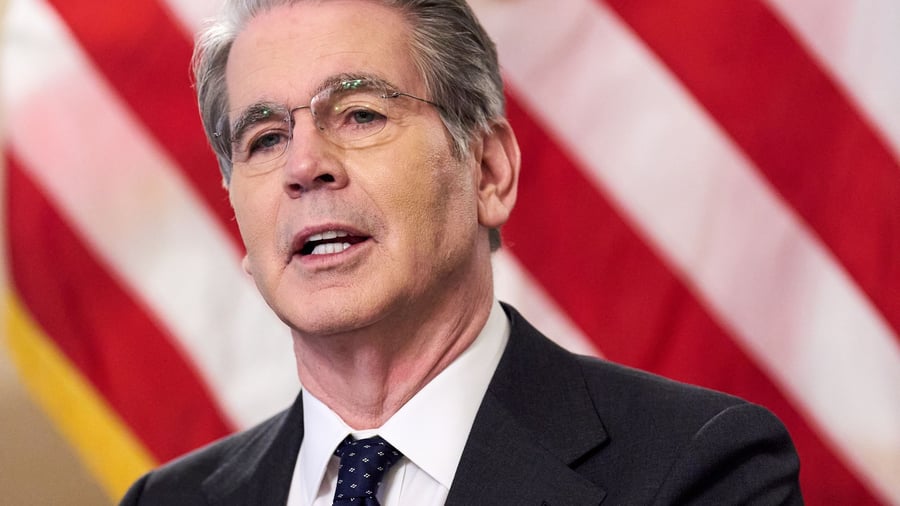
Resai claimed that Iran would block oil shipments not only through the Strait of Hormuz, but also through other routes in the region if negotiations with Washington fail. US Treasury Secretary Scott Bessent is set to unveil the "harshest sanctions in history" against Iran during a press conference in Washington. Following a lull in military actions, the US aims to economically cripple Iran.
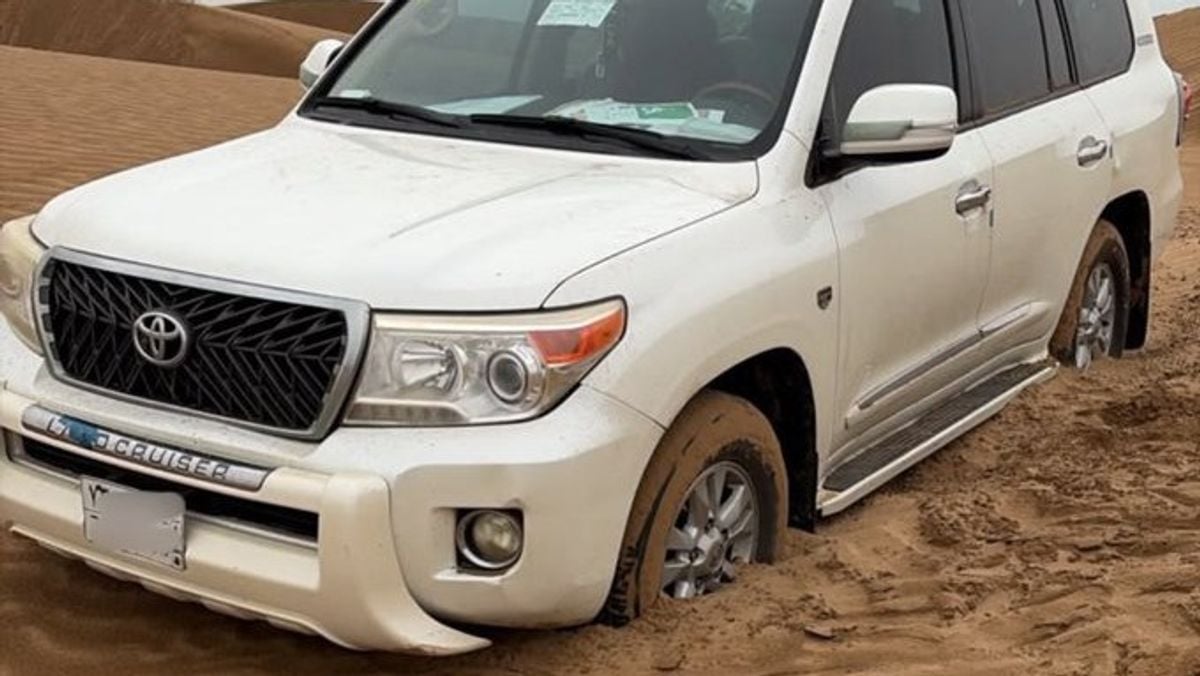
President Donald Trump announced a "economic D-Day" for Iran on Wednesday, threatening draconian measures against its supporters. Iran continues to block shipping through the Strait of Hormuz, a crucial chokepoint for oil, gas, and fertilizer exports from Persian Gulf states. This has far-reaching implications for the global economy.
Iran demands that ships follow a route designated by Iran along its coastline. The Iranian authority in charge of the Strait of Hormuz threatened to confiscate ships in violation of the rules. Iran refuses to relent until an agreement with Washington is reached, which would grant it access to frozen assets and a relaxation of sanctions.
The new chief of Iran's national security council, Resai, warned the Gulf states on Saturday that they should first negotiate before facing Iran's possible blockade of oil supplies. The Houthi militia allied with Iran in Yemen has threatened to block the Bab al-Mandab strait, the gateway to the Red Sea, which leads Asian trade to Europe via the Suez Canal.
Iran's President Masoud Pezeshkian acknowledged economic difficulties in a speech, admitting to "significant imbalances" in water, electricity, gas, and gasoline supply. However, he expressed confidence that Iran would withstand the pressure as the people remain united and resilient. Foreign Minister Abbas Araghchi, however, stated that economic warfare is a recurring pattern and a long-standing intimidation tactic employed by Washington.
Iran has learned to deal with it. The US sanctions against Iran have been in place for decades, but despite a sophisticated system to circumvent the sanctions, Iran's economy faces its most severe crisis in recent history. Inflation has surged recently, and the country's infrastructure was severely damaged during the war initiated by the US and Israel around six months ago.
Additionally, the US blockade of Iranian ports, aimed at preventing revenue from oil exports, further intensifies the pressure. The United Arab Emirates announced shortly before Trump's announcement of an economic war against Iran that they will suspend all trade and financial transactions with Tehran pending further notice. The UAE, including Dubai, has been a long-standing important location for Iranians to conduct business.
Should another major trading partner, such as Turkey, follow the example, the consequences for Iran would be devastating, according to Mahdi Ghodsi, an expert from the Vienna Institute for International Economic Studies, quoted by the New York Times. He warned of a worsening of the war beyond regional and global economies, emphasizing that it would be worse for Iran.
Meanwhile, the Iranian foreign ministry spokesperson, Ismail Baghai, announced in state news agency IRNA that Pakistan's army chief Asim Munir is expected in Tehran today as part of "favorable efforts" by Pakistan to strengthen peace and security in the region. Reports suggest that Pakistan and other mediators are secretly striving to achieve progress towards an agreement between Washington and Tehran, but the outcome is unclear.
Written by urgent.news from Handelsblatt's reporting — not their text. Machine-written — may contain errors; check the original before relying on it.
This story
This is one outlet's version. Read the fullest account.