Cheap wall tiles 'inspired by flowing streams' could fix one of superfast 6G's biggest problems
Superfast 6G has a major problem — signals struggle to pass through physical barriers. But scientists have invented a $2 wall tile that can fix that.
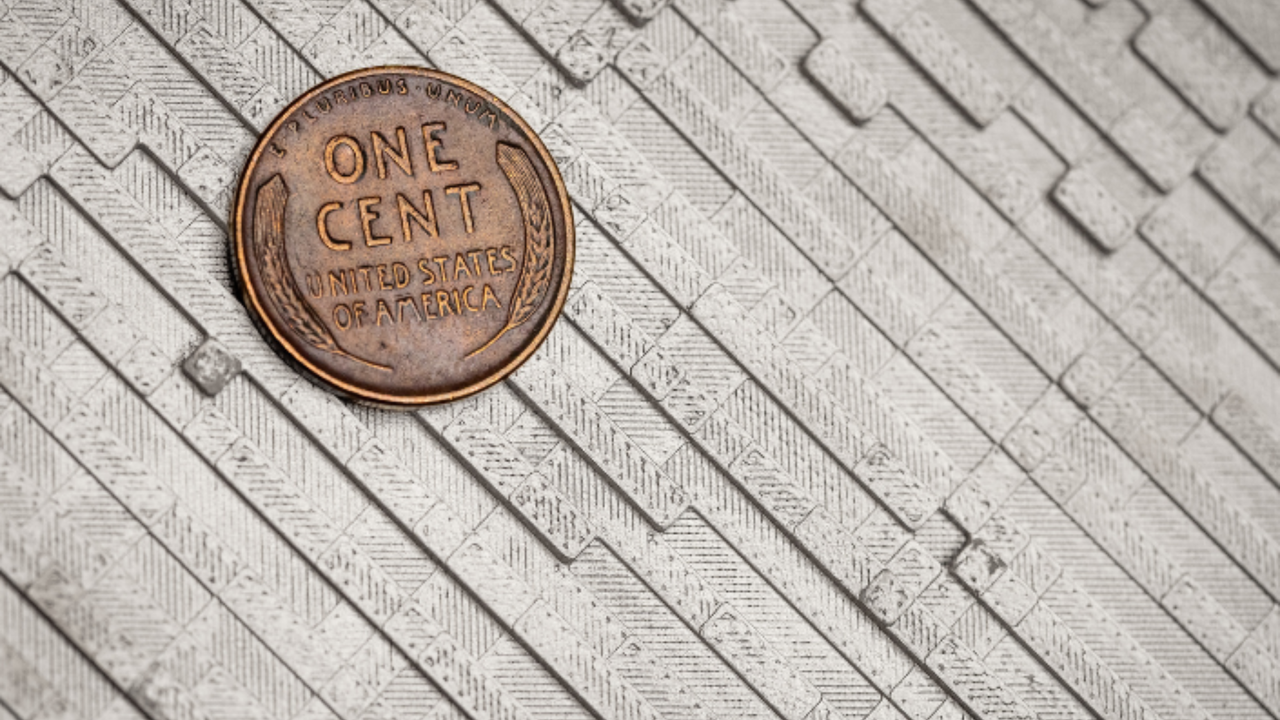
Future 6G networks promise lightning-fast speeds, but they face a significant challenge: millimeter waves used in 6G cannot pass through walls. To address this issue, engineers have developed an innovative solution using inexpensive 3D-printed tiles that reflect millimeter-wave signals around obstacles. These tiles, which are 6-by-6 inches and packed with thousands of engineered features smaller than the wavelengths, can be mounted onto walls or ceilings without any power source, wiring, or software updates.
The reflective tiles were designed by engineers at the University of California, San Diego, and were presented at the ACM SIGCOMM 2026 conference in Denver. The tiles work in two ways, much like small streams feeding into a river in reverse. Some tiles relay signals in long, continuous chains across rooms and around obstacles, while others fan coverage outwards to areas where people are present.
When tested in five real indoor environments, the tiles nearly doubled average data rates and more than doubled the coverage area, making them competitive with current active reconfigurable intelligent surfaces, which can cost thousands of dollars. The tiles are also effective for people on the move, as the network can automatically find the best reflected signal path.
The researchers have filed a provisional patent and are open to partnerships with companies interested in bringing the tiles to market.
Written by urgent.news from Live Science's reporting — not their text. Machine-written — may contain errors; check the original before relying on it.