Canada may be right — but it cannot escape the tyranny of geography — Abbi Kanthasamy
AUGUST 24 — Washington is abusing its economic power, but Ottawa must confront an uncomfortable truth: sovereignty...
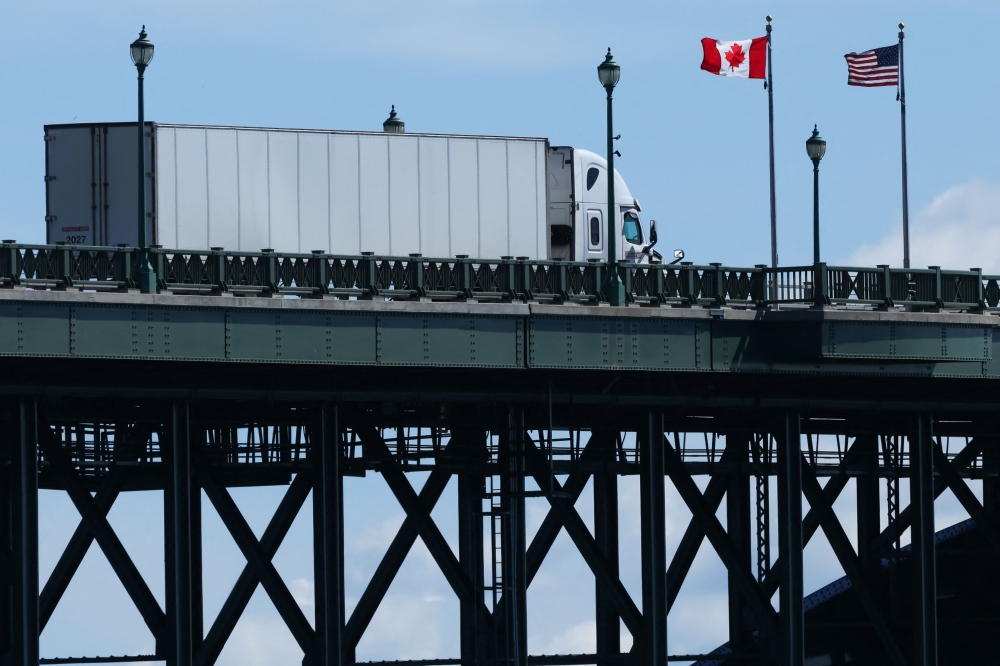
August 24 — The United States is exercising undue economic influence, but Canada must acknowledge a sobering reality: sovereignty without economic strength is a hollow declaration. The sight of a smaller nation refusing to submit to a larger one can be inspiring. When Canadian Prime Minister Mark Carney halted talks with Washington in response to the imposition of 50 percent tariffs on specific Canadian goods, the event was quickly framed as an assertion of national independence.
Ottawa vowed to retaliate equally. Canadians, weary of threats from Washington, found this reaction reasonable. It was also, in some respects, the appropriate one. No prudent government should acquiesce to terms that could be altered at a moment's notice, especially when those terms might limit its ability to negotiate with other nations.
However, valour does not equate to influence. Canada may have righteousness on its side, but the United States possesses geography, scale, and time. The crucial question is not whether Canada is justified in resisting. The more pressing issue is whether resistance, alone, constitutes an effective economic strategy. The dispute centers on Washington's application of Section 338 of the US Tariff Act of 1930 to impose 50 percent duties on roughly US$20 billion of Canadian exports.
The products affected reportedly include wine, furniture, dairy items, cement, apparel, fishing gear, and, with a symbolic impact that headline writers cannot ignore, hockey sticks. Section 338 permits the US president to retaliate against nations deemed to have discriminated against American commerce. It is a convoluted and rarely utilized tool, stemming from an era of protectionism similar to the Smoot-Hawley Tariff Act.
While Canada may have legal grounds, the United States benefits from its geographical advantage, economic scale, and time. The fundamental question is not whether Canada is justified in resisting. The more pertinent inquiry is whether resistance, in isolation, amounts to a sound economic approach. The immediate controversy revolves around Washington's use of Section 338 of the US Tariff Act of 1930 to impose 50 percent duties on approximately US$20 billion worth of Canadian exports.
The targeted items reportedly encompass wine, furniture, dairy products, cement, clothing, fishing equipment, and, with a conspicuous symbolism that headlines cannot dismiss, hockey sticks. Section 338 empowers the US president to retaliate against countries deemed to have discriminated against American commerce. It is an obscure and infrequently employed instrument, originating from the same protectionist period that gave rise to the Smoot-Hawley Tariff Act.
While Canada may have a legal argument, the United States enjoys geographical, economic, and temporal advantages. The critical question is not whether Canada has the right to resist. The more pertinent question is whether resistance, on its own, equates to an effective economic strategy.
Written by urgent.news from Malay Mail's reporting — not their text. Machine-written — may contain errors; check the original before relying on it.